VR&E Monthly Stipend in 2026: What Chapter 31 Pays
Michael got only rejections. Then a $100K facilities manager role.
Michael, E-7, Navy, tried a ton of outside help before BMR
You got approved for VR&E. Congrats. That is the hard part. Now the question everyone asks next: how much does Chapter 31 actually pay you each month?
I went through this myself after separating as a Navy Diver. I was looking at VR&E and the GI Bill at the same time. The VA website gave me charts and legal language. What I wanted was a straight answer. How much money hits my account every month?
This article breaks down every dollar VR&E can put in your pocket in 2026. Subsistence allowance rates, the Post-9/11 GI Bill election, books and supplies money, and the self-employment track that most veterans do not know about. If you already know what VR&E Chapter 31 is and you have your Chapter 31 approval, this is the money guide.
How Does VR&E Pay You?
VR&E pays you through a monthly subsistence allowance. This is money that goes directly to you while you are in training. It covers rent, food, gas, and bills while you focus on your program.
The VA does not call it a salary. They call it a subsistence allowance. But it works like a paycheck. You go to class or training. The VA sends you a payment each month.
There are two payment tracks inside VR&E. The one you get depends on whether you have Post-9/11 GI Bill eligibility left.
- •Default rate for all VR&E participants
- •Fixed dollar amounts set by the VA
- •Does not change by location
- •Lower than Post-9/11 BAH in most areas
- •Only if you have Post-9/11 GI Bill eligibility
- •Pays the E-5 with dependents BAH rate
- •Changes based on your school ZIP code
- •Usually much higher than the base rate
Your VR&E counselor should explain both options. But many veterans tell me their counselor did not bring up the Post-9/11 election at all. You need to ask for it.
What Is the VR&E Subsistence Allowance?
The subsistence allowance is the base monthly payment every VR&E participant can receive. The VA sets flat dollar amounts each year. These rates do not change based on where you live. A veteran in San Diego gets the same base rate as a veteran in rural Alabama.
Your payment amount depends on two things. First, your training rate. Full-time students get the full amount. Three-quarter time and half-time students get less. Second, whether you have dependents. Veterans with a spouse or children get a higher rate.
The VA adjusts these rates each year, usually around October. For fiscal year 2026, the Chapter 31 subsistence allowance rates for institutional training (college, trade school, or classroom programs) are:
2026 VR&E Subsistence Allowance Rates (Institutional Training)
| Training Rate | No Dependents | One Dependent | Each Additional |
|---|---|---|---|
| Full-time | $761.95/mo | $944.44/mo | +$82.00 |
| Three-quarter time | $572.64/mo | $710.10/mo | +$61.00 |
| Half-time | $383.33/mo | $475.75/mo | +$42.00 |
These are approximate rates based on recent VA published schedules. The VA can adjust these amounts each fiscal year. Always confirm your exact rate with your VR&E counselor or on VA.gov.
These Rates Are Only for Classroom Training
On-the-job training (OJT) and non-paid work experience have different subsistence rates. The VA also has separate rates for combined classroom and OJT programs. Ask your counselor which schedule applies to your plan.
If those numbers seem low, you are not wrong. Full-time with no dependents is under $800 a month. That is why the Post-9/11 election matters so much.
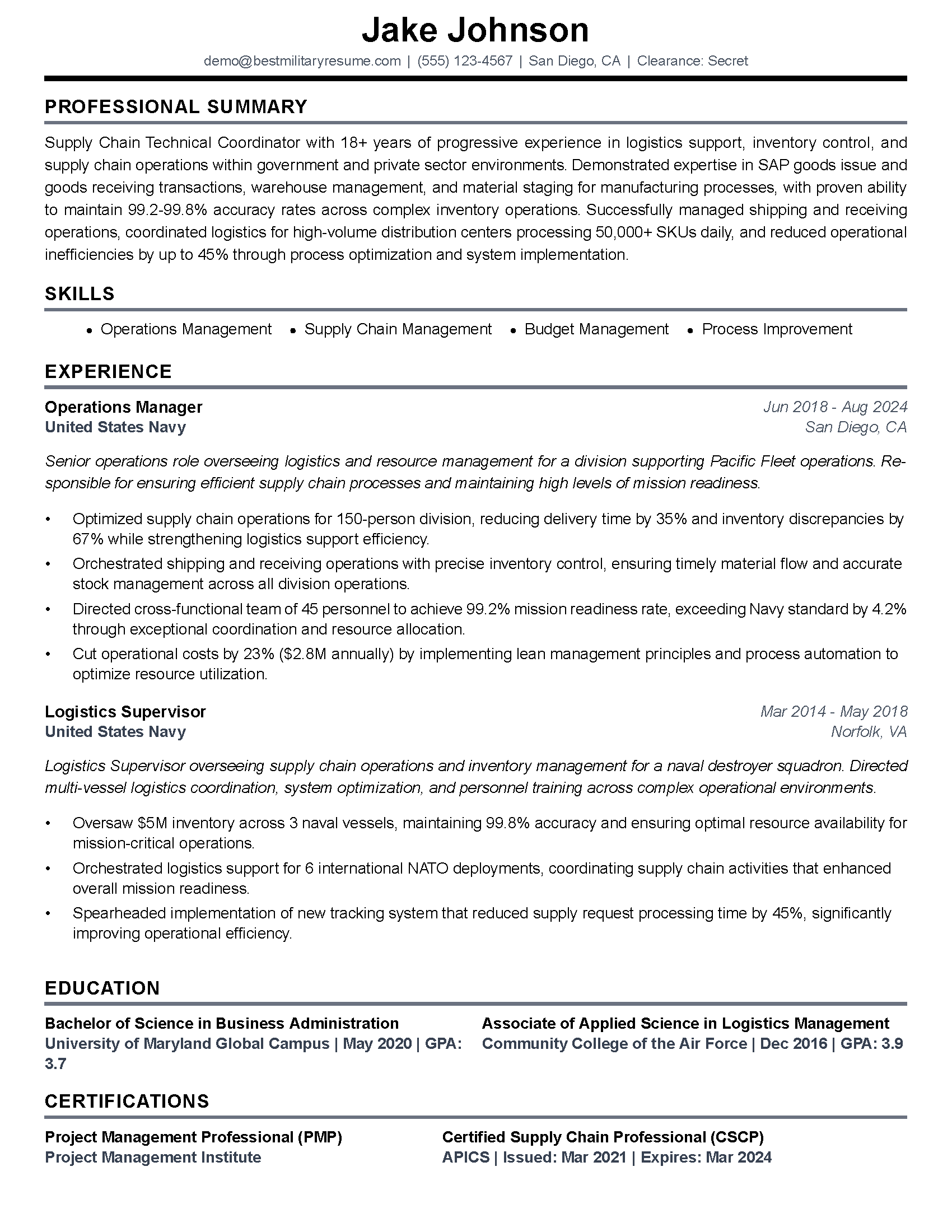
Chapter 31 covers a lot. The resume is usually still on you. Good news is there's more free help out there than most vets know about. We put it in one list: every no cost military resume option, and who each one is for. Read it before you spend stipend money on something you might get free.

How Much Does VR&E Pay Monthly in 2026?
The real answer depends on which payment track you are on. The base subsistence allowance is what everyone gets by default. But if you have Post-9/11 GI Bill eligibility, you can elect the higher rate.
Here is how the math works in a real example. Say you are a full-time student at a school in San Antonio, TX. You have no dependents.
- Base Chapter 31 rate: About $762 per month
- Post-9/11 elected rate: About $1,737 per month (E-5 with dependents BAH for San Antonio ZIP)
That is nearly $1,000 more per month by checking one box. And the Post-9/11 election does not use up your GI Bill months. Let me say that again because it matters. Electing the Post-9/11 rate through VR&E does not burn your GI Bill entitlement.
"I spent 1.5 years after separating just trying to figure out what benefits I had. The VR&E payment options were buried in VA legalese. Nobody told me I could elect the Post-9/11 rate and keep my GI Bill months intact."
Your monthly payment also changes based on how many credit hours you take. The VA defines training rates like this:
- Full-time: 12 or more credit hours per semester (undergrad) or 9+ for graduate
- Three-quarter time: 9 to 11 credit hours (undergrad)
- Half-time: 6 to 8 credit hours (undergrad)
If you drop below half-time, your subsistence allowance stops. The VA will not pay you for less than half-time attendance in most cases.
Can You Get the Post-9/11 GI Bill Rate Through VR&E?
Yes. This is the single biggest money move for VR&E participants. If you have any remaining Post-9/11 GI Bill eligibility, you can elect a higher payment. You receive the Post-9/11 GI Bill housing allowance rate while VR&E still covers tuition and fees.
Here is what that means in practice:
- VR&E still pays your full tuition, fees, books, and supplies
- Your monthly stipend jumps from the flat Chapter 31 rate to the E-5 with dependents BAH rate for your school location
- This BAH rate is the same one Post-9/11 GI Bill students receive
- Your GI Bill entitlement months are NOT charged
To get this rate, you have to formally elect it with your VR&E counselor. There should be a form (VA Form 28-1905) where you select your subsistence preference. If your counselor does not mention it, bring it up yourself.
When Does the Post-9/11 Election Not Work?
You cannot elect the Post-9/11 rate if you have zero Post-9/11 GI Bill eligibility. Veterans who only have Montgomery GI Bill (Chapter 30) or no education benefit at all are stuck with the base subsistence rate.
Also, the Post-9/11 rate only applies during periods of enrollment. If you take a semester off, your payments pause. Summer breaks with no enrollment also mean no payment. Plan your finances around this.
Online-only students receive a reduced BAH rate. If all your classes are online, your housing allowance is half the national average BAH. For 2026, that is about $1,054 per month. Still higher than the base Chapter 31 rate, but lower than what you would get attending in person.
What Else Does VR&E Cover Beyond the Monthly Stipend?
The monthly stipend is the biggest piece, but VR&E covers more than just a living allowance. The program pays for your training costs directly. That means:
- Tuition and fees: Paid directly to your school. No cap like the GI Bill has. VR&E can pay for expensive programs the GI Bill would not fully cover
- Books and supplies: The VA provides a books and supplies allowance. This covers textbooks, required software, lab materials, and course supplies
- Tutoring: If you need tutoring for a course, VR&E can pay for it. Up to $1,800 per year in tutoring costs
- Tools and equipment: If your training program requires special tools (welding equipment, IT certifications, trade tools), VR&E may cover them
- Adaptive equipment: For disabled veterans, VR&E can pay for assistive technology, modified workstations, and accommodations
VR&E Covers More Than You Think
Tuition with no cap
Unlike GI Bill, VR&E has no annual tuition limit
Books and supplies
Textbooks, software, lab gear paid by the VA
Tutoring up to $1,800/year
Extra academic help when you need it
Trade tools and equipment
Welding gear, IT certs, specialized equipment
Certification exam fees
PMP, CompTIA, HVAC, and other industry certs
The big advantage of VR&E over the GI Bill for training costs is the tuition piece. The Post-9/11 GI Bill has an annual tuition cap (about $28,937 for 2025-2026). VR&E does not have that cap. If your program costs $50,000 a year at a private university, VR&E can cover the full amount. The GI Bill would leave you paying the difference out of pocket.
This is why many veterans with both benefits choose to use VR&E before the GI Bill. You get the uncapped tuition now and save your GI Bill months for later.
Does VR&E Pay for Self-Employment?
Yes. This is the track most veterans do not know about. VR&E has a self-employment track that can pay for the costs of starting your own business.
The VA calls it the "Self-Employment" track under Chapter 31. If your VR&E counselor agrees that self-employment is the best path for your situation, the VA can cover:
- Business startup costs: Equipment, inventory, initial supplies
- Licensing and permits: State business licenses, professional certifications
- Business training: Courses in accounting, marketing, business management
- Tools and technology: Computers, software, specialized equipment for your trade
- Business plan development: Help building a real plan for your venture
The VA will not just hand you a blank check. You need a solid business plan. Your counselor has to approve the plan and agree that self-employment is realistic for you. But for veterans with a trade skill or a clear business idea, this track can save thousands in startup costs.
You still receive your monthly subsistence allowance during the self-employment track. So you get living expenses covered while you build the business.
How Much Does VR&E Pay for Self-Employment?
There is no fixed dollar cap published for the self-employment track. The VA approves costs case by case based on your business plan and what your counselor supports. Some veterans have reported the VA covering $10,000 to $25,000 in startup expenses. Others received less.
The key is having a specific, detailed business plan. Vague ideas get denied. Clear plans with cost breakdowns get funded. Your VR&E counselor will want to see that the business has a realistic path to supporting you financially.
How Does VR&E Compare to GI Bill Payments?
This is the question that drives most benefit decisions. Here is a direct comparison of what each program pays in 2026.
Tuition capped at about $28,937/year for private schools. 36 months of entitlement total. Once your months run out, benefits stop. No self-employment track.
No tuition cap. Up to 48 months of entitlement (can be extended). Covers self-employment costs. Books, supplies, and tools paid. Can elect Post-9/11 BAH rate without burning GI Bill months.
For monthly payments specifically:
| Benefit | Monthly Payment (Full-Time, No Dependents) | Tuition Coverage |
|---|---|---|
| VR&E (base rate) | About $762/mo | Full cost, no cap |
| VR&E (Post-9/11 elected) | BAH rate by location ($1,200-$3,500+) | Full cost, no cap |
| Post-9/11 GI Bill | BAH rate by location ($1,200-$3,500+) | Capped at about $28,937/yr (private) |
| Montgomery GI Bill | About $2,185/mo (flat rate) | Included in flat rate |
If you qualify for VR&E and can elect the Post-9/11 rate, your monthly payment matches the GI Bill. But VR&E also covers your full tuition with no cap. And it does not eat into your GI Bill months.
That is why benefits experts often recommend using VR&E first if you qualify. You get the same monthly payment plus uncapped tuition. Then you save your GI Bill for later or transfer it to a family member.
When Do VR&E Payments Start and Stop?
VR&E payments start on the first day of your approved training program. If your semester begins August 25, your first payment covers from August 25 through the end of that month.
Payments arrive around the first of each month for the previous month of training. So your August payment shows up around the beginning of September. This is the same timing as GI Bill payments.
Your payments stop when:
- Your semester or training period ends
- You take a break between semesters (summer, winter break)
- You drop below half-time enrollment
- Your VR&E counselor closes your case
- You reach your entitlement limit (usually 48 months)
Plan for gaps. If your spring semester ends in May and fall does not start until August, you have no payments for June and July. Budget for those months.
Key Takeaway
VR&E can pay you up to 48 months of subsistence allowance. That is 12 more months than the GI Bill. If your training program needs more time, your counselor can request an extension beyond 48 months in some cases.
How to Maximize Your VR&E Monthly Payment
If you want the highest possible monthly payment from VR&E, follow these steps.
Step 1: Elect the Post-9/11 rate. If you have any Post-9/11 GI Bill eligibility, tell your counselor you want to elect the Post-9/11 subsistence rate. This is the single biggest increase to your monthly payment.
Step 2: Attend in person. Online-only students get a reduced BAH rate. If you can attend classes on campus, even part of the time, your housing allowance is based on the school ZIP code. That is usually much higher than the online rate.
Step 3: Stay full-time. Full-time students get the full payment. Dropping to three-quarter or half-time cuts your payment by 25% to 50%. If you can handle the course load, full-time is the way to go.
Step 4: Pick the right school location. Your Post-9/11 BAH rate depends on where the school is. A school in San Francisco pays a higher BAH than a school in rural Georgia. If you have a choice of campuses, the higher cost-of-living area means a higher monthly payment.
Step 5: Claim your dependents. If you have a spouse or children, make sure your VA records reflect that. Dependents increase your subsistence rate on both the base Chapter 31 track and the Post-9/11 elected rate.
Many veterans also use GI Bill-approved certifications alongside VR&E training. Some certification programs qualify as part of your VR&E plan, so the VA pays for the exam fees too.
What to Do Next
If you are considering VR&E or already approved, here is your action list:
- Confirm your Post-9/11 GI Bill eligibility status on eBenefits or VA.gov
- Ask your VR&E counselor about electing the Post-9/11 subsistence rate
- Get the 2026 BAH rate for your school ZIP code at the Defense Travel Management Office site
- Request a copy of your individualized plan (the IWRP/IEAP) so you know exactly what the VA approved
- Budget for payment gaps between semesters
While VR&E covers your training and living expenses, you still need a strong resume for when the training ends. The whole point of the program is employment. BMR's Resume Builder helps veterans translate their military experience into civilian terms. When you finish your VR&E program and start applying for jobs, you want a resume that actually gets you interviews.
VR&E is one of the best benefits the VA offers. The monthly payments keep you afloat while you train. The uncapped tuition means you can go to any school that accepts you. And the self-employment track is a path most veterans never hear about. Use every dollar available to you.
Frequently Asked Questions
How much does VR&E pay per month in 2026?
Does electing the Post-9/11 rate in VR&E use up my GI Bill?
Does VR&E pay during summer break?
Can VR&E pay for me to start a business?
Is VR&E monthly payment based on location?
How long can I receive VR&E payments?
Do online students get the same VR&E payment?
What does VR&E cover besides the monthly stipend?
About the author
Brad Tachi is the CEO and founder of Best Military Resume and a 2025 Military Friendly Vetrepreneur of the Year award recipient for overseas excellence. A former U.S. Navy Diver with over 20 years of combined military, private sector, and federal government experience, Brad brings unparalleled expertise to help veterans and military service members successfully transition to rewarding civilian careers. Having personally navigated the military-to-civilian transition, Brad deeply understands the challenges veterans face and specializes in translating military experience into compelling resumes that capture the attention of civilian employers. Through Best Military Resume, Brad has helped thousands of service members land their dream jobs by providing expert resume writing, career coaching, and job search strategies tailored specifically for the veteran community.
