Loading...
Loading...
Civilian Career Paths & Job Guide
Everything you need to translate your 3521 experience into a civilian career — salary data, companies hiring, resume examples, and certifications by career path.
Marine Corps MOS 3521 — Automotive Organizational Mechanic — is the backbone of Motor Transport maintenance in the Marine Corps. Every Marine battalion has vehicles, and every vehicle needs a 3521 to keep it running. These mechanics perform organizational-level maintenance on the Corps' fleet of tactical vehicles: HMMWVs, MTVRs (the 7-ton workhorse of Marine logistics), LVSRs, JLTVs, trailers, and in some units, LAV-25s.
Unlike a civilian shop where vehicles come to you on a schedule, Marine 3521s maintain fleets that deploy. A Motor T section in an infantry battalion supports everything from routine convoys at Camp Lejeune to combat logistics patrols in contested environments. When an MTVR throws a code in the field, the 3521 is the one diagnosing it on the side of a road with a multimeter and a tech manual — not in a heated bay with a scan tool and YouTube.
Training starts at Fort Gregg-Adams, VA (formerly Fort Lee) with approximately 12 weeks of automotive MOS school covering HMMWV, MTVR, LVSR, and trailer systems. From there, fleet assignments with Marine Logistics Groups (1st MLG at Pendleton, 2nd MLG at Lejeune, 3rd MLG in Okinawa) or organic motor transport sections within infantry, artillery, and combat support battalions. Depending on the unit, 3521s may also support MEU (Marine Expeditionary Unit) deployments aboard Navy amphibious ships, where they maintain vehicles in cramped well decks at sea.
What makes the 3521 experience valuable to civilian employers goes beyond turning wrenches. Marine mechanics troubleshoot across multiple vehicle platforms simultaneously — something most civilian techs never do. They manage parts through GCSS-MC (the Marine Corps' enterprise logistics system), write Equipment Repair Orders, track fleet readiness metrics against command deadlines, and train junior Marines on maintenance procedures. NCO-level 3521s run motor pools, manage maintenance schedules for 30-50+ vehicles, and coordinate directly with supply chains for critical parts. This combination of hands-on mechanical skill, fleet management discipline, and leadership under pressure translates across the entire automotive, diesel, heavy equipment, and fleet maintenance industry.
3521s map directly to federal Vehicle and Equipment Maintenance trades — WG-5306 Mobile Equipment Mechanic, federal contractor maintenance, and DoD depot positions. I worked across federal engineering and the demand for cleared mechanic backgrounds at DoD bases is consistent. — Brad Tachi, Navy Diver veteran & BMR founder
Marine 3521s enter a civilian job market that genuinely needs mechanics. The Bureau of Labor Statistics reports over 805,000 automotive service technicians employed nationally (O*NET 49-3023.00, median $49,670), and the diesel/heavy truck mechanic field adds another large segment at a median of $60,640 (49-3031.00). Mobile heavy equipment mechanics earn a median of $63,980 (49-3042.00) with faster-than-average growth. These are not shrinking fields — the vehicles are getting more complex, and the technician pipeline is not keeping up.
The strongest civilian matches for 3521s depend on which Marine vehicles dominated your experience. If you spent most of your time on HMMWVs and light tactical vehicles, automotive service and light truck repair are natural fits. If your hands were on MTVRs, LVSRs, and heavy trailers, diesel and heavy truck maintenance puts your experience to work at a higher pay scale. The MTVR runs a Cummins ISC diesel engine — Cummins and its dealer network hire technicians who already know the product.
Fleet maintenance companies like Penske and Ryder operate at a scale that feels familiar to Motor T Marines — large fleets, scheduled maintenance cycles, parts tracking systems, and uptime metrics. Both companies actively recruit military mechanics and participate in SkillBridge.
Defense contractors offer another strong path. Oshkosh Defense builds the MTVR, LVSR, and JLTV. AM General built the HMMWV. General Dynamics Land Systems makes the LAV-25. These manufacturers hire former Marine mechanics for field service, product support, and quality assurance because you already know their platforms. You are not starting from scratch — you are bringing years of hands-on product knowledge they cannot teach in onboarding.
For 3521s who want to differentiate themselves, ASE certification is the civilian standard. The A-series (automotive) and T-series (medium/heavy truck) certifications carry weight with every employer. Many companies will reimburse certification costs, and GI Bill covers some ASE prep programs. See the Certifications section below for specifics on which certs match which career path.
Also worth considering: USMC 3531 Motor Vehicle Operators drive the vehicles you fix. If you are exploring the broader Motor T career landscape, their page covers the transportation and logistics operations side. Army 91B Wheeled Vehicle Mechanics do similar work on Army platforms — their page has additional civilian career data from the same BLS occupational categories.
| Civilian Job Title | Industry | BLS Median Salary | Outlook | Match |
|---|---|---|---|---|
Automotive Service Technician O*NET: 49-3023.00 | Automotive Dealerships / Independent Shops | $49,670 | 3-4% (average) | strong |
Bus and Truck Mechanic / Diesel Engine Specialist O*NET: 49-3031.00 | Fleet Maintenance / Transit / Trucking | $60,640 | Slower than average | strong |
Mobile Heavy Equipment Mechanic O*NET: 49-3042.00 | Construction / Mining / Rental Equipment | $63,980 | 5-6% (faster than average) | strong |
Industrial Machinery Mechanic O*NET: 49-9041.00 | Manufacturing / Energy / Food Processing | $63,760 | 7%+ (much faster than average) | moderate |
Fleet Maintenance Supervisor O*NET: 49-3042.00 | Transportation / Logistics / Government | $63,980 | 5-6% (faster than average) | strong |
General Maintenance and Repair Worker O*NET: 49-9071.00 | Facilities / Property Management / Government | $48,620 | 3-4% (average) | moderate |
Marine Motor T veterans walk into federal vehicle maintenance shops with more hands-on experience than most civilian applicants will ever accumulate. Every military installation in the country — Army, Navy, Air Force, not just Marine bases — runs a fleet of tactical and commercial vehicles maintained by federal WG mechanics and GS equipment specialists. Defense Logistics Agency (DLA) Land at Warren, MI manages the entire DoD ground vehicle supply chain and hires former military mechanics for quality assurance, maintenance analysis, and depot-level sustainment roles.
The most direct federal path is through Marine Corps Logistics Command (MCLC) at MCLB Albany, GA or MCLB Barstow, CA. Civilian mechanics at these depots maintain and rebuild the same Marine Corps vehicle platforms you worked on in the fleet. The work is familiar, the pay is federal, and they hire former 3521s through both veterans' preference and direct hire authority.
GSA Fleet manages the federal civilian vehicle fleet — over 200,000 vehicles across every agency. Motor vehicle mechanic positions (WG-5823) exist at GSA maintenance facilities nationwide. USPS maintains 230,000+ vehicles at Vehicle Maintenance Facilities and is actively hiring mechanics for their electric vehicle transition. Both offer strong entry points for 3521s who want to keep turning wrenches in a stable federal environment.
For 3521s targeting supervisory or management-track federal positions, the GS series options expand significantly:
Key agencies to search on USAJobs: Marine Corps (MCLC, installations), Army (TACOM, depots), GSA Fleet, USPS, Department of Transportation, Army Corps of Engineers, Bureau of Reclamation, VA Medical Centers (fleet maintenance), and DHS/CBP (vehicle maintenance for border operations). Start your federal resume early — federal hiring timelines run 60-120+ days, and your resume format needs to follow OPM guidelines.
| GS Series | Federal Job Title | Typical Grades | Match | Explore |
|---|---|---|---|---|
| GS-2101 | Transportation Specialist | GS-7, GS-9 | View Details → |
Not everyone wants to stay in a related field. These career paths leverage your transferable skills — leadership, risk management, logistics, project planning — in completely different industries.
Marine 3521s work around hydraulic systems, fuel, batteries, and heavy equipment daily. They conduct safety checks before every job, use lockout/tagout procedures, and manage hazardous materials. This hands-on safety discipline translates directly to EHS roles where the job is keeping people and equipment safe.
Motor T maintenance sections are logistics operations. 3521s track parts on order, manage tool inventories, coordinate with supply for deadlined vehicle parts, and report readiness percentages to leadership. The maintenance management system (GCSS-MC) is an ERP system by another name.
NCO-level 3521s plan and execute maintenance operations under tight timelines: scheduling preventive services, managing repair priorities when multiple vehicles are down, coordinating parts and labor across shifts. This is project management with grease on it.
Marine 3521s spend their careers reading and interpreting Technical Manuals (TMs), writing equipment condition reports, and documenting maintenance procedures. The ability to take complex mechanical processes and write them clearly for other technicians is exactly what technical writing is.
Senior 3521s (Staff NCOs) who ran motor pool operations managed personnel, equipment readiness, budgets, and training programs simultaneously. A Motor T Chief running a battalion motor pool is an operations manager in every functional sense.
Every repair a 3521 completes goes through quality checks. Technical inspections, final acceptance checks, and readiness reporting are baked into the job. The systematic approach to finding defects, documenting them, and verifying corrections is quality control.
The systematic inspection methodology 3521s use — visual checks, measurements, functional tests, documentation — applies directly to building inspection. Government positions are especially strong matches with veterans' preference.
If you are applying to a diesel shop, fleet maintenance company, or defense contractor that works on military vehicles, your Motor T terminology will be understood. They know what an MTVR is. They know what an ERO is. This section is not for those jobs.
This section is for 3521s targeting careers outside of vehicle maintenance — project management, safety, logistics, operations, quality control, or any corporate role where the hiring manager has never seen a deadline report and does not know that GCSS-MC is a supply chain management system. The translations below reframe your Motor T experience into language that resonates in non-automotive industries.
Which certifications you need depends on where you're headed. Find your target career path below.
SkillBridge Programs: Penske, Ryder, and several dealership groups participate in DOD SkillBridge, allowing 3521s to work as civilian technicians during the last 180 days of service while receiving military pay. Search the SkillBridge database for current automotive and fleet maintenance openings near your duty station or desired location.
ASE Certification: The National Institute for Automotive Service Excellence (ASE) is the civilian credentialing standard. A-series for automotive, T-series for medium/heavy truck. Tests are $40-50 each and can be taken at Prometric testing centers. Some GI Bill-approved prep programs exist — verify before enrolling. Start with A1 (Engine Repair) or T4 (Brakes) to get certified quickly while studying for others.
Manufacturer Training Programs: Ford, GM, Toyota, and most major manufacturers operate dealer technician development programs. Many will hire veteran mechanics and fund brand-specific certifications. Ask about apprenticeship or entry-level technician programs at local dealerships — your military experience may let you skip entry tiers.
Industry Associations: The American Trucking Associations (ATA) and TMC (Technology & Maintenance Council) are where fleet maintenance hiring conversations happen. TMC SuperTech is the annual diesel technician competition — good for networking even if you do not compete.
Project Management: The PMP certification (PMI) opens doors across industries. Senior 3521s who managed motor pool operations, coordinated maintenance for deployment cycles, or ran multiple vehicle repair projects simultaneously likely have enough documented hours to qualify. Cost: ~$555 (PMI member). GI Bill covers some prep courses.
Safety & EHS Careers: Start with OSHA 30-Hour ($150-300, available online). For the career-track credential, target the CSP (Certified Safety Professional) from BCSP. Your motor pool safety experience — HAZMAT, lockout/tagout, PPE programs, shop safety — counts toward the experience requirement.
Federal Employment (USAJobs): Create your USAJobs profile 6+ months before separation. Key agencies for former 3521s: MCLC (Albany/Barstow), GSA Fleet, USPS, DOT, Army Corps of Engineers, DHS/CBP, and VA Medical Centers. Federal resumes are 2 pages max and follow specific formatting rules. Build yours here.
Veteran Networking: American Corporate Partners (ACP) provides free mentorship from corporate executives. You will get paired with someone in your target industry. ACP is legitimate and completely free for veterans.
Education Benefits: GI Bill covers ASE prep programs, associate and bachelor degree programs in automotive technology, and many professional certifications. Check the GI Bill Comparison Tool to verify program approval before enrolling. Consider UTI, Lincoln Tech, or community college automotive programs if you want formal credentials alongside your military experience.
Clearance Leverage: Some 3521 billets carry a Secret clearance. If yours is active, defense contractors and cleared facility maintenance positions pay a premium. ClearanceJobs.com lists positions requiring active clearances. Do not let yours lapse if you plan to pursue defense contractor work.
Jobs for Veterans by MOS | MOS to Civilian Job Chart | SkillBridge Guide | Build Your Resume Free | Veterans Preference Explained
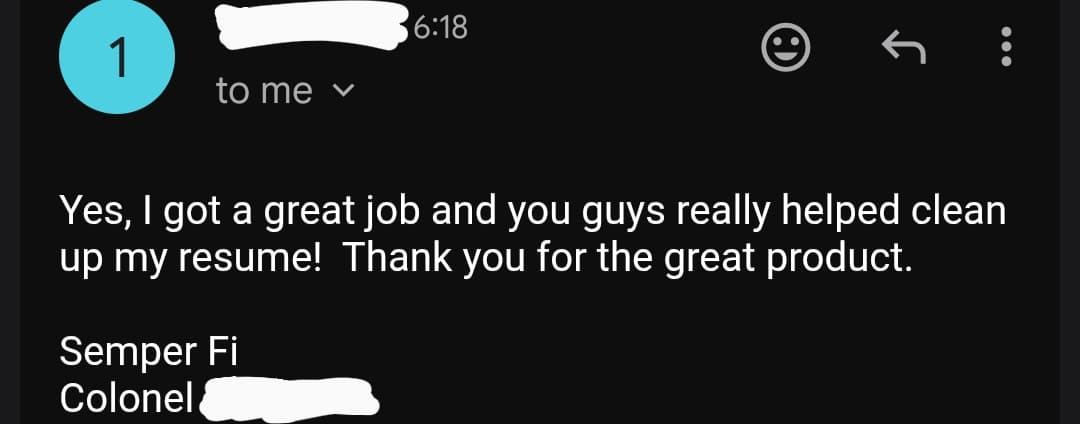
Translate your 3521 Automotive Organizational Mechanic experience into a resume that gets interviews.
Build Your Resume →