Military Spouse Employment Programs 2026: SpouseWorks, MSEP, Scholarship
 Brad Tachi5 min read
Luana, a military spouse, landed a Staff Policy and Procedures Analyst role.
Luana, military spouse, policy and procedures analyst
Introduction
Military spouses face a career reality that civilian job seekers rarely understand: building professional momentum when your address changes every 2-3 years. The constant PCS cycles don't just disrupt your career - they affect how you write your resume and how employers perceive you.
💡 The Hidden Employment Infrastructure
There are more employment programs available to military spouses than most people realize. The spouses who thrive aren't necessarily more talented - they've learned to work the systems designed specifically for them.
I'm going to walk you through the major employment programs available to military spouses in 2026. Not just what they are, but how to actually use them to get hired.
Military Spouse Preference (MSP) in Federal Hiring
Military Spouse Preference is probably the most powerful hiring advantage you have access to - and also the most misunderstood.
Who Actually Qualifies for MSP
You're eligible for Military Spouse Preference if you meet these criteria:
- You married your active duty service member before their reporting date at the new duty station
- You're an accompanied spouse on your service member's PCS (you get MSP at each new location)
- You haven't already accepted or declined a permanent appropriated or nonappropriated fund position at this duty station. Turning down an offer uses up your preference, just like accepting one.
- You're seeking employment within the commuting area of the new duty station
A 2026 memo changed spouse hiring, and a lot of spouses haven't heard about it. On April 1, 2026, the Under Secretary of War for Personnel and Readiness issued a memo. It's called "Maximum Use of Military Spouse Employment Flexibilities." It tells Department of War hiring managers to consider qualified military spouses for non-competitive appointment, absent extenuating circumstances. They do that before they consider candidates who aren't otherwise eligible for a hiring preference. The Department calls this a procedural priority, not a new hiring preference. Priority placement and ICTAP candidates still come first, then military spouses, then everyone else. Non-competitive appointment is a separate authority from MSP, with its own eligibility rules.
A pilot came with the memo, and it changes your timeline. For 18 months, the time limits on when you can use MSP are suspended. Your eligibility isn't tied to the 30-day window before your spouse's reporting date. The 18 months run from the memo's date, so the pilot ends around October 1, 2027. If you PCS before then, it may apply to you.
How to Actually Use MSP on USAJOBS
In your USAJOBS profile, open Edit or Add hiring paths and select "I am a military spouse." You can then filter your job search by hiring path, using the Who can apply filter. Or start at milspouse.usajobs.gov, which opens a job search with that path already applied. But don't stop there. Upload your documents and attach them to each application.
PCS Orders
Upload a copy of your spouse's PCS orders showing the current duty station.
Marriage Certificate
Proof of marriage to the service member.
Military Spouse PPP Self-Certification Checklist
Upload this checklist along with your PCS orders. The orders must list you as a family member. The SF-15 is a 10-point veterans' preference form. It isn't part of an MSP claim.
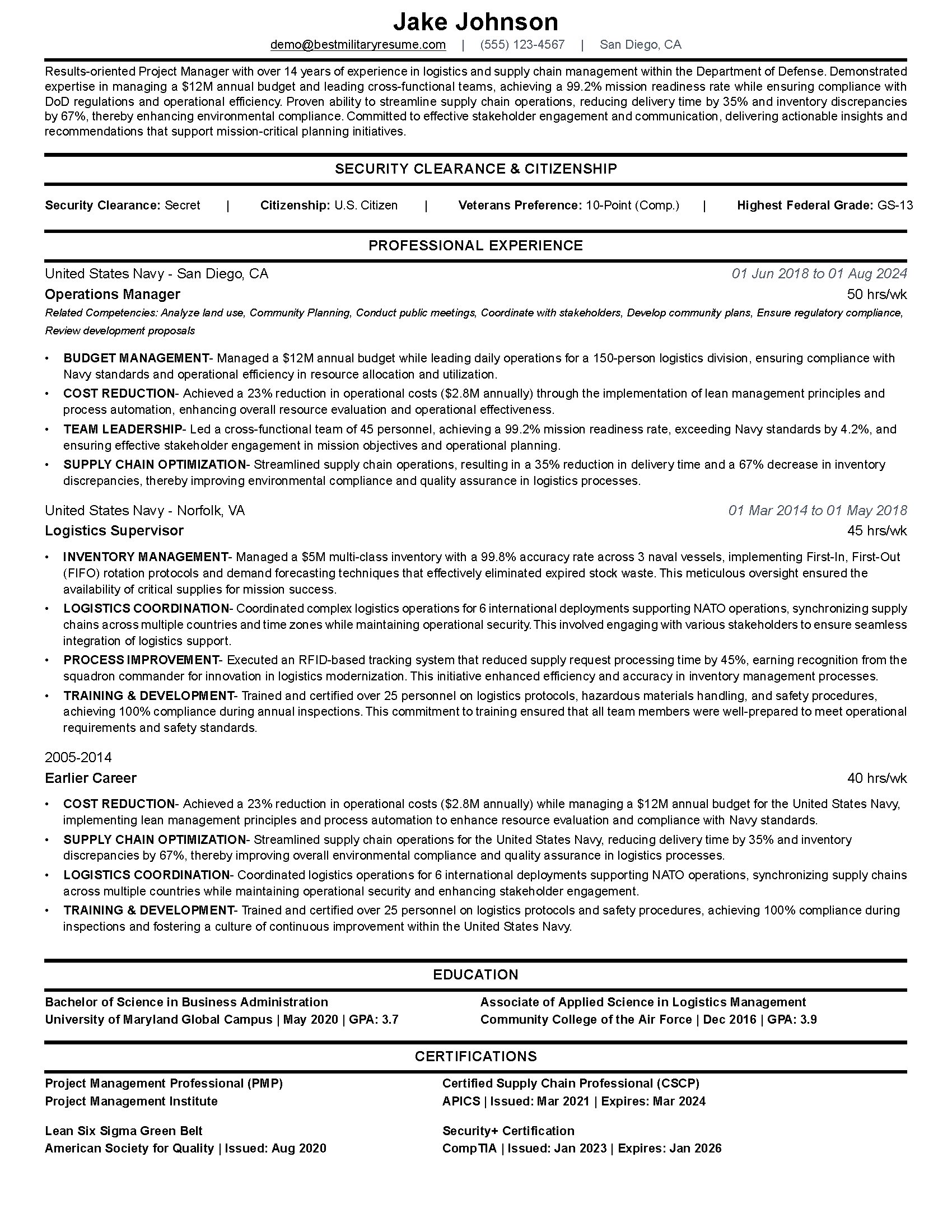
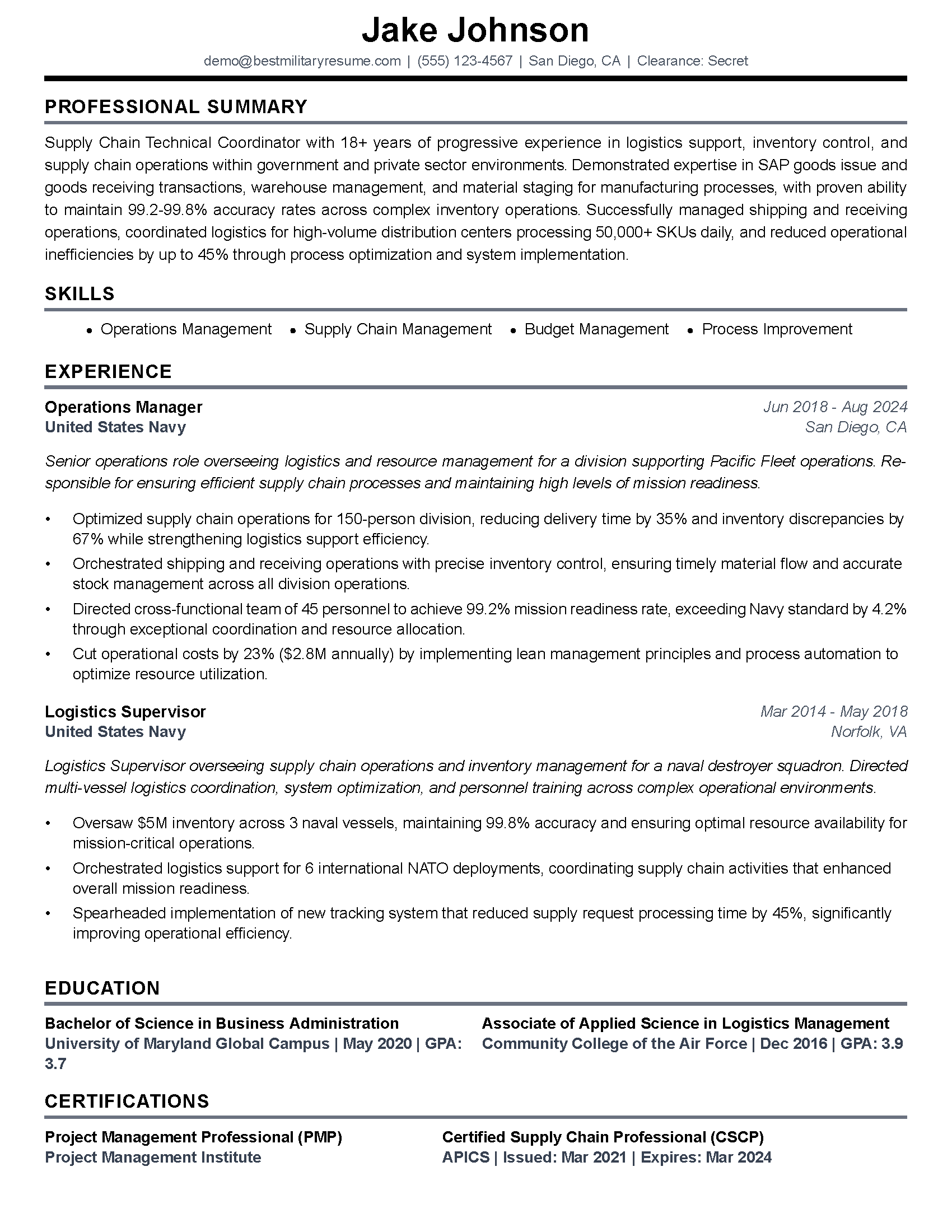
The SpouseWorks Program: Your Career Support System
SpouseWorks used to be called SECO, the Spouse Education and Career Opportunities program. It's funded by the Department of War, and the career coaching is completely free. This isn't a recruiting service trying to place you in positions that benefit them - it's genuine career support.
| SpouseWorks Service | What It Provides | Cost |
|---|---|---|
| Career Coaching | One-on-one sessions with professionals who understand military life | FREE |
| SpouseWorks Scholarship (formerly MyCAA) | Up to $4,000 for a license, certification or associate degree, or continuing education to keep a credential current | FREE |
| Resume Help | Development and interview preparation | FREE |
| Career Planning | Identify portable career paths that survive PCS moves | FREE |
The SpouseWorks Scholarship (formerly MyCAA)
To qualify for the SpouseWorks Scholarship, you need to be:
- Married to an Army, Marine Corps, Navy, Air Force or Space Force member, of any rank
- Married to someone on active duty, or in the Guard or Reserve on qualifying Title 10 orders
- Pursuing a license, certification or associate degree, or continuing education to keep a credential current
✅ Best Credentials for SpouseWorks Scholarship Funding
Medical coding (CPC/CCS) - 100% remote work potential
Project Management (PMP/CAPM) - Works in any industry
IT certifications (CompTIA, AWS) - High demand, remote-friendly
Bookkeeping (QuickBooks) - Every business needs it
Hiring Partnerships and Fellowships
These two programs connect you with employers who want to hire military spouses. Both sit under SpouseWorks, the program covered above. Hiring Our Heroes is a U.S. Chamber of Commerce Foundation program. It supports the fellowship by matching fellows with host companies.
Military Spouse Employer Partnership (MSEP)
MSEP is a partnership between the Department of War and private employers who have committed to recruiting, hiring, promoting, and retaining military spouses. Military OneSource puts the network at more than 1,000 employer partners, including major names you'd recognize.
The MSEP job portal lets you search positions specifically from these partner companies. The advantage here is that these employers already understand military spouse challenges - they're not going to see your varied work history or location changes as red flags.
The SpouseWorks Fellowship
The SpouseWorks Fellowship used to be called the Career Accelerator. It's a 12-week fellowship run by the Department of War. It places military spouses with a host company for hands-on experience. Hiring Our Heroes supports it by matching candidates with employers. You apply through SpouseWorks, which handles eligibility and enrollment. Fellows are placed with companies looking to hire, and many fellowship participants receive job offers at the end of the program. The fellowship is a paid program, which matters when you're already dealing with PCS expenses.
Remote Work: Why It Matters
Remote work has been transformative for military spouses. When your job isn't tied to a physical location, PCS moves become inconvenient rather than career-ending.
💡 Industries with Strong Remote Options
Technology: Software development, UX design, project management
Marketing: Content creation, social media, SEO
Healthcare Admin: Medical coding, telehealth support
Finance: Bookkeeping, accounting, financial analysis
Customer Support: Remote customer service operations
Making These Programs Work Together
The real power comes from combining these resources strategically.
Example Strategy: The Career Changer
A military spouse with retail management experience wants to transition to HR:
- Use the SpouseWorks Scholarship to fund PHR certification
- Work with a SpouseWorks career coach to translate retail management experience into HR language
- Search MSEP portal for HR positions with military-friendly employers
- Apply to federal HR positions using MSP when eligible
Common Mistakes to Avoid
⚠️ Don't Make These Mistakes
Waiting until after the move - Start your job search before PCS, not after.
Not documenting eligibility - Keep PCS orders, marriage certificates ready to upload.
Underselling your experience - Managing household through deployments develops real skills.
Limiting to one pathway - Apply through federal, private sector, AND remote channels simultaneously.
Taking Action This Week
If you've read this far, here's what I want you to do in the next seven days:
- Create or update your USAJOBS profile with the "I am a military spouse" hiring path selected and documentation uploaded
- Call Military OneSource at 800-342-9647 and schedule a SpouseWorks career coaching session. It's free, and Guard and Reserve spouses qualify whatever their activation status.
- Register on the MSEP job portal and save searches for your target roles
- Research licensing requirements if you work in a licensed profession and plan to PCS soon
- Identify one skill gap that's holding you back and research whether the SpouseWorks Scholarship can fund a solution
The programs exist. The employers are hiring. The question is whether you'll use the resources available to you.
More resources for military spouses: SpouseWorks Fellowship (formerly Career Accelerator), career change pivot guide, free mentorship programs, PCS-proof networking, working overseas as a spouse, executive orders on spouse employment, project management and PMP, cybersecurity training for spouses, career continuity during PCS, resume mistakes that cost interviews, and optimizing LinkedIn as a spouse.
Frequently Asked Questions
Are these programs really free?
Can Guard and Reserve spouses use these programs?
Do these programs help with federal job applications?
About the Author
Brad Tachi is the CEO and founder of Best Military Resume and a 2025 Military Friendly Vetrepreneur of the Year award recipient for overseas excellence. A former U.S. Navy Diver with over 20 years of combined military, private sector, and federal government experience, Brad brings unparalleled expertise to help veterans and military service members successfully transition to rewarding civilian careers. Having personally navigated the military-to-civilian transition, Brad deeply understands the challenges veterans face and specializes in translating military experience into compelling resumes that capture the attention of civilian employers. Through Best Military Resume, Brad has helped thousands of service members land their dream jobs by providing expert resume writing, career coaching, and job search strategies tailored specifically for the veteran community.
