Continuous Evaluation for Clearance Holders: Flags & Fixes
Corey landed a federal security specialist role.
Corey, E-7, Air Force, translated military security experience that actually got read
If you hold a security clearance today, the rules changed under you. The old system checked your background once, then again five or ten years later. In between, nobody was really watching. That window is gone.
Now the government runs automated checks on you all the time. The program is called Continuous Vetting, or Continuous Evaluation. Most people in the cleared world just say CE or CV. It pulls data on you in near real time. Credit. Criminal records. Public records. If something pops, it creates an alert.
That word "alert" scares people. It should not. An alert is not a revocation. It is a flag that says a human needs to look at something. Most flags go nowhere. But how you handle one can make a small thing big or keep a big thing small.
I have worked the hiring side of the federal house and overseen contractors who held clearances. I have watched good people panic over a flag that meant almost nothing. I have also watched people make a quiet problem loud by hiding it. This guide walks you through what CE is, what trips a flag, what a flag does not mean, and exactly what to do if you get one.
What Is Continuous Evaluation for a Security Clearance?
Continuous Evaluation is the always-on version of a background check. The old model was periodic reinvestigation. You got investigated, you got cleared, and the next deep look came years later. The gap in between was the weak spot.
The Defense Counterintelligence and Security Agency runs this for most of the Department of Defense now. In 2021, DCSA announced it had enrolled all DoD clearance holders in Continuous Vetting. So if you hold a DoD clearance, you are almost certainly in it.
This sits inside a bigger reform called Trusted Workforce 2.0. The goal is one government-wide system. It lets agencies trust each other's vetting. It also moves everyone off the old paper-heavy reinvestigation cycle and onto live monitoring.
The policy backbone is a directive from the Director of National Intelligence. ODNI describes Continuous Evaluation as a process that runs automated checks of security-relevant information between investigations. The point is timeliness. The government wants to know about a problem when it happens, not five years later.
Key Takeaway
CE does not lower the bar or change what makes you cleared. It just closes the gap between checks. The same conduct that mattered before still matters. Now the government sees it sooner.
How Is Continuous Vetting Different From the Old Reinvestigation?
The difference is timing and reach. The old way was a snapshot. CE is a video feed.
Under periodic reinvestigation, an investigator opened your case on a set cycle. They pulled records, called references, and built a fresh picture. Then they closed it and you went quiet for years. A money problem in year two might not surface until year six.
Continuous Vetting checks records on an ongoing basis. DCSA started by automating a set of record sources and feeding them in. When a new record matches you, the system can flag it right away. No waiting for the next cycle.
This cuts both ways for you. The bad news is there is no quiet window anymore. The good news is the system rewards honesty faster. If you self-report a thing before the system catches it, that timing helps you. It shows you follow the rules even when it costs you.
- •Deep check every 5 or 10 years
- •Long quiet gaps between checks
- •A problem could sit unseen for years
- •Heavy paperwork, slow turnaround
- •Automated checks run all the time
- •New records can flag right away
- •No quiet window between cycles
- •Self-reporting matters more than ever
What Data Sources Does Continuous Evaluation Check?
CE does not read your texts or sit in your living room. It checks records. Specific, defined record sources tied to the things that matter for a clearance.
Based on DCSA's own description, the automated checks pull from a set of categories. The main ones are clear and worth knowing.
Record Sources CE Commonly Checks
Criminal records
Arrests, charges, and court actions at the local, state, and federal level
Financial records
Credit issues, liens, judgments, bankruptcy, and unpaid debt
Terrorism and public records
Watchlist matches and other public-record data tied to security concerns
Incident and insider-threat reports
Reports from your own security office or other sources can feed the alert process
Notice what is on this list. These are not random. They map to the same concerns that govern any clearance decision. Money problems. Criminal conduct. Foreign or security ties. The government has always cared about these. CE just watches them live.
One thing to be clear about. The exact mix of sources can shift over time as the program matures. DCSA has described enrolling people in stages with different sets of automated checks. So treat the list above as the core, not a fixed and final menu.
What Commonly Triggers a Continuous Evaluation Flag?
A flag is just a record match. The system finds something new in your name and routes it for a human look. In my experience around cleared work, the same handful of things drive most flags.
Money Problems
Financial issues are the most common driver, by a wide margin. A new collection account. A car repossession. A tax lien. A bankruptcy filing. Late mortgage payments that hit your credit. The system sees these fast because credit data updates often.
This does not mean debt costs you your clearance. It means debt gets noticed. The concern is not that you owe money. The concern is whether money trouble makes you a risk to pressure or bad judgment.
An Arrest or Criminal Charge
Get arrested and it can flag, even if charges are dropped later. The record exists. CE sees the record. A DUI is a classic example. So is a domestic dispute that brings police, even if nothing comes of it.
Foreign Travel and Foreign Contacts
This one ties to your own reporting duty, which I cover below. Unreported foreign travel or a close foreign contact can become a concern. The system and your security office both watch for gaps between what you reported and what shows up.
Other Records
A few more can flag. A new lawsuit. Certain license actions. A name that matches a watchlist entry, even by error. Identity mix-ups happen, which is exactly why a human reviews every alert before anything else moves.
A flag is not a finding
A record match only means the system saw something. It does not mean a decision was made. The human review is where context comes in. Do not treat a flag as a verdict.
What Does a Flag NOT Mean?
This is the part people get wrong, and it causes real harm. They get a flag, assume the worst, and act out of fear. Let me lay out what an alert does not mean.
A flag does not mean your clearance is gone. It does not mean it is suspended. It does not mean you did something wrong. It does not even mean the record is yours. Name matches happen.
Here is the actual process. DCSA gets an alert. A person assesses whether the alert is valid and worth a closer look. Many are not. If it is, investigators gather facts. Adjudicators weigh those facts against set standards. Only after all of that does any clearance decision happen.
That decision is measured against the federal adjudicative guidelines. There are 13 of them, covering things like finances, foreign influence, criminal conduct, and personal conduct. They come from Security Executive Agent Directive 4. The same guidelines that have always governed clearances. CE did not change the standard. It changed the speed.
The guidelines also build in something called the whole-person concept. Adjudicators look at the full picture. How serious was it. How long ago. Was it a pattern or a one-time thing. Did you come forward. Have you fixed it. One bad record does not define you, and the rules are written to reflect that.
"The fastest way to turn a small flag into a real problem is to hide it. The fastest way to keep it small is to report it first and tell the truth."
What Do You Have to Self-Report as a Clearance Holder?
CE watches records. But you still have a duty to report things yourself. This is not optional. It is policy, and your security office briefs you on it.
The rules come from Security Executive Agent Directive 3, which set the reporting requirements for cleared personnel. It took effect June 12, 2017. The point is to get information to your agency fast, not years later.
What you have to report depends on your agency and access level. But the common categories are well known across the cleared world.
1 Foreign travel
2 Foreign contacts
3 Financial events and legal trouble
4 Other reportable events
One myth worth killing. Seeking mental health care is not, by itself, a thing that sinks a clearance. The guidelines treat getting help as a positive sign of good judgment in most cases. Do not avoid care because you fear the clearance hit. That fear does more harm than the care ever would.
When in doubt, report it. The cost of over-reporting is a short conversation. The cost of under-reporting is a credibility problem, and credibility is the whole game in this world.
What Should You Do If You Get Flagged?
So an alert hits. Maybe your security office calls you in. Maybe you already know what triggered it. Here is the path I would walk, step by step.
Do not panic and do not hide
Most flags resolve quietly. Fear leads to bad moves. Stay calm and do not try to bury anything. Hiding turns a small issue into a trust issue.
Talk to your FSO or security officer
Your Facility Security Officer is your first call. They know the process and can tell you what the flag involves and what comes next.
Gather your documents
Pull records that explain the flag. A payment plan, a court disposition, a paid-off debt letter. Facts beat feelings every time.
Tell the truth, fully
If they ask questions, answer straight. Do not shade it. A lie or a half-truth is often worse than the original issue under the guidelines.
Show mitigation
Document how you fixed it or are fixing it. A debt on a payment plan reads very differently from a debt you ignored.
Mitigation is the word that matters most. The guidelines give weight to what you did after the problem. Did you act responsibly. Did you fix it. Did you come forward. A money problem you are actively paying down is a very different story from one you hid.
If the issue is serious, or if you get a formal notice that your clearance may be in danger, talk to a lawyer who knows security clearance law. That is not a sign of guilt. It is smart for a high-stakes process. For most routine flags, your FSO and honest documentation are enough.
Self-reporting timing is your friend
Reporting an issue before the system catches it shows you follow the rules under pressure. That timing helps your case under the whole-person review.
How Does CE Affect Your Clearance as a Veteran or Job Seeker?
If you are leaving the military or moving into cleared civilian work, CE matters to you in a few concrete ways.
First, your clearance can stay active and monitored as long as you are enrolled and have a need. If you want the deeper rules on that, read our guide on how long a secret clearance stays active after separation. And if you are not sure where your clearance stands, start with checking your clearance status after the military.
Second, CE makes reciprocity smoother. The whole point of Trusted Workforce 2.0 is letting agencies trust each other's vetting. That helps when you move between agencies or contractors. We break that down in our piece on security clearance reciprocity between agencies.
Third, a clean CE record is an asset on the job market. A current, monitored clearance saves an employer time and money. Know what that clearance is worth and how to talk about it. Our breakdown of security clearance salary by level walks through the premium.
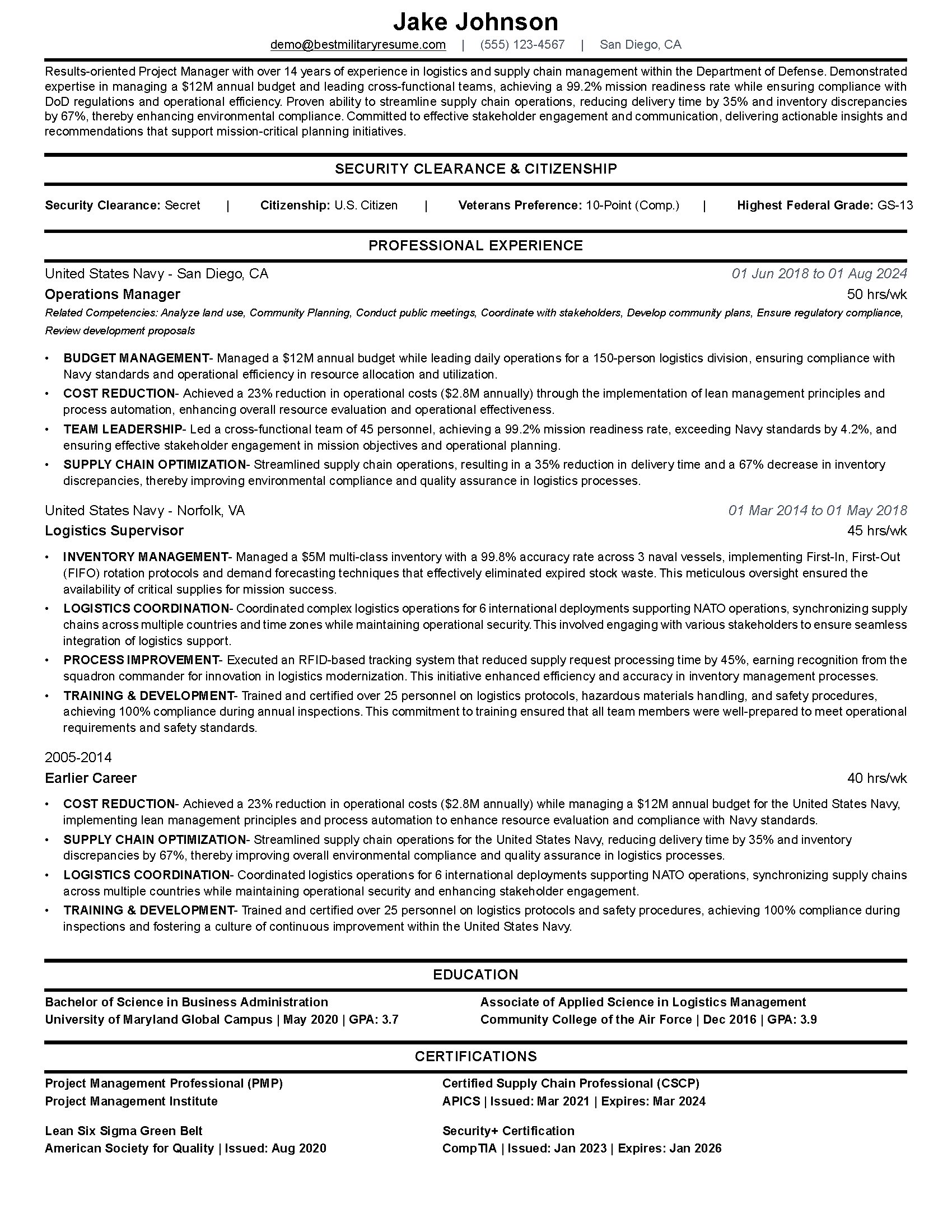
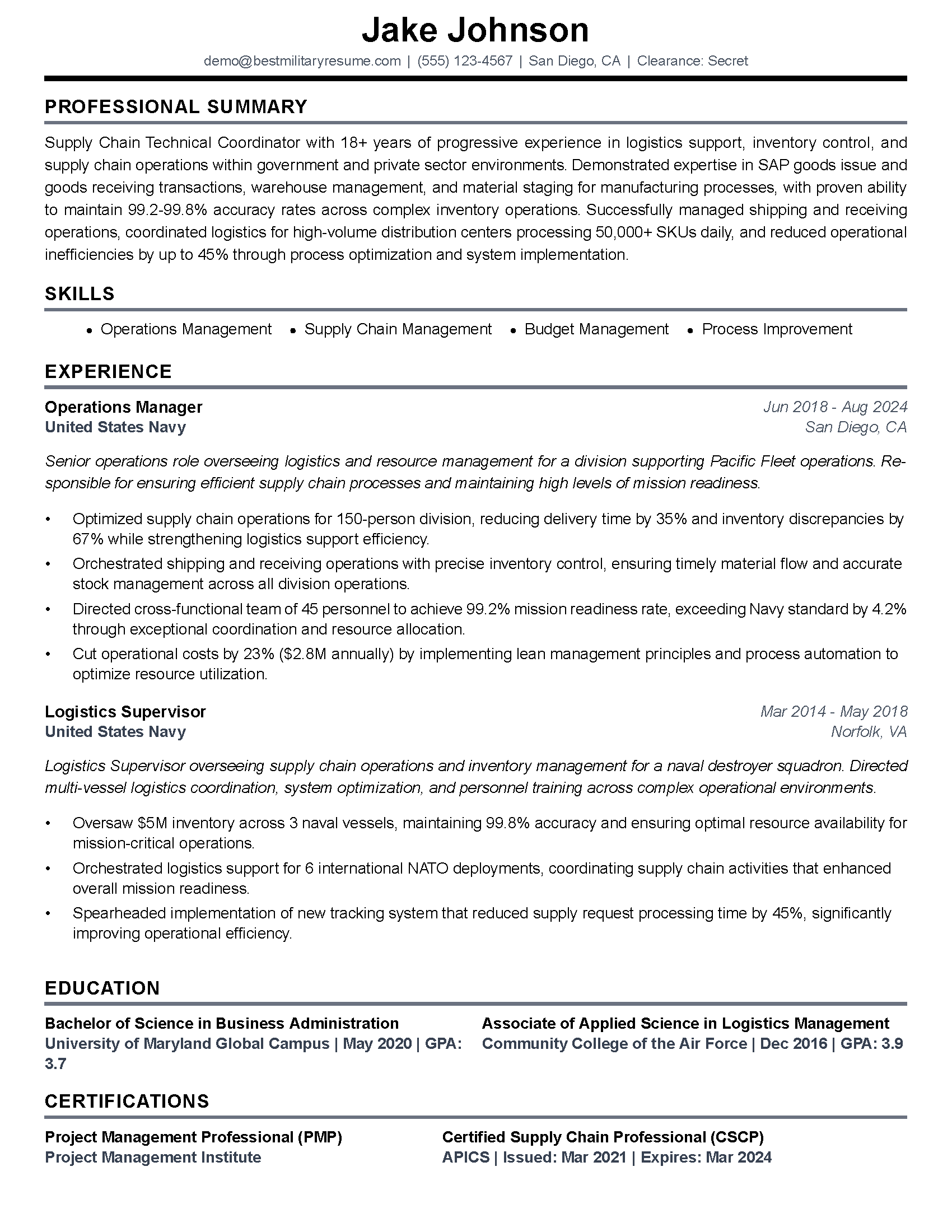
When you put a clearance on your resume, phrase it the right way. There are rules about what you can and cannot disclose. Get the wording right and you signal value without crossing a line.
BMR's resume builder handles the military-to-civilian translation and helps you frame your clearance the way cleared employers want to read it. It is free to start, built by veterans who have sat on both sides of the hiring desk. If you are also weighing the investigation side of clearance work, our guide on Tier 3 vs Tier 5 investigations covers which level your role needs.
The Bottom Line on Continuous Evaluation
CE is not something to fear. It is the new normal for everyone who holds a clearance. The government watches records live now, and it will catch things faster than the old system ever did.
That speed is fine if you live clean and report honestly. The same standards apply that always did. What changed is the timing, and timing rewards the people who do the right thing first.
If you get a flag, breathe. Most go nowhere. Call your FSO. Gather your facts. Tell the truth. Show how you fixed it. That path resolves the large majority of alerts without drama.
The people who get hurt by CE are not the ones with a money problem or a single bad night. They are the ones who hide, lie, or ignore the duty to report. Do not be that person. Keep your record clean, keep your reporting current, and a clearance stays one of the strongest cards you can carry into the civilian job market.
Frequently Asked Questions
Does a continuous evaluation flag mean I will lose my clearance?
What does continuous evaluation actually check?
Will debt or a bankruptcy cost me my clearance under continuous vetting?
What do I have to self-report as a clearance holder?
Does seeking mental health care hurt my clearance?
What should I do first if I get flagged under continuous evaluation?
Is continuous evaluation the same as the old reinvestigation?
About the author
Brad Tachi is the CEO and founder of Best Military Resume and a 2025 Military Friendly Vetrepreneur of the Year award recipient for overseas excellence. A former U.S. Navy Diver with over 20 years of combined military, private sector, and federal government experience, Brad brings unparalleled expertise to help veterans and military service members successfully transition to rewarding civilian careers. Having personally navigated the military-to-civilian transition, Brad deeply understands the challenges veterans face and specializes in translating military experience into compelling resumes that capture the attention of civilian employers. Through Best Military Resume, Brad has helped thousands of service members land their dream jobs by providing expert resume writing, career coaching, and job search strategies tailored specifically for the veteran community.
