Does an OSHA 30 Card Help a Veteran Get a Safety Job?
Michael got only rejections. Then a $100K facilities manager role.
Michael, E-7, Navy, tried a ton of outside help before BMR
An OSHA 30 card helps you land safety jobs where an employer, city or state asks for it. The Occupational Safety and Health Administration (OSHA) says "None of the courses within the Outreach Training Program is considered a certification," and its card facts page says "Taking the course does NOT guarantee employment."
It is a course-completion card from OSHA's voluntary Outreach Training Program. BMR advice: it's a starting card, not the credential that proves a safety career.
This page shows where the card is required and how to spot a fake. It also lists the four credentials that come next, with their rules and fees.
Will an OSHA 30 card get me a safety job?
Not by itself. OSHA says the 30-hour class "is more appropriate for supervisors or workers with some safety responsibility."
OSHA also warns, "beware of advertisements 'guaranteeing' jobs after taking the course." Some course sellers call the card a certification. OSHA says it's not one.
Treat the card as a ticket onto some job sites. A site safety or environment, health and safety (EHS) job wants more. It wants proof you ran safety work. It wants a test that proves you know it.
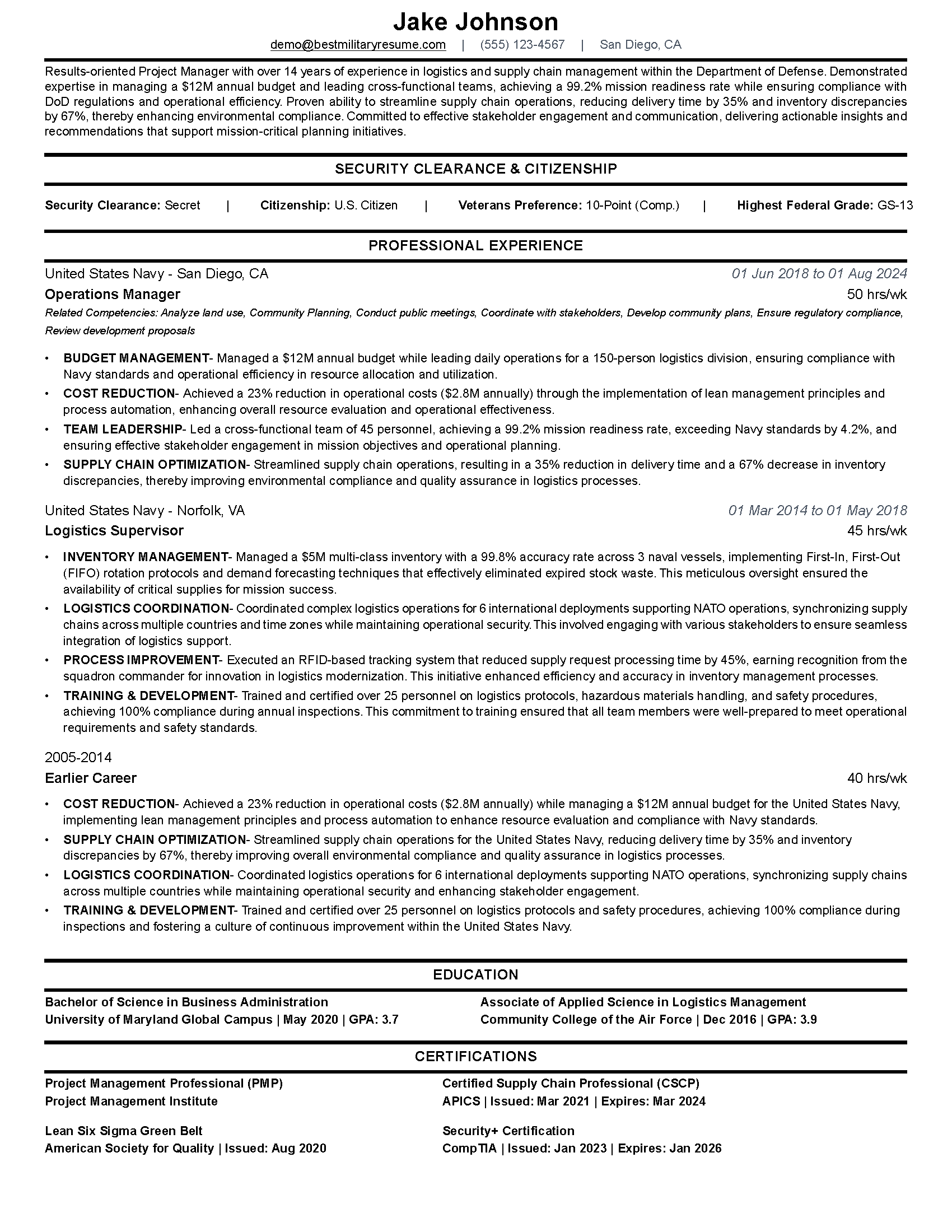
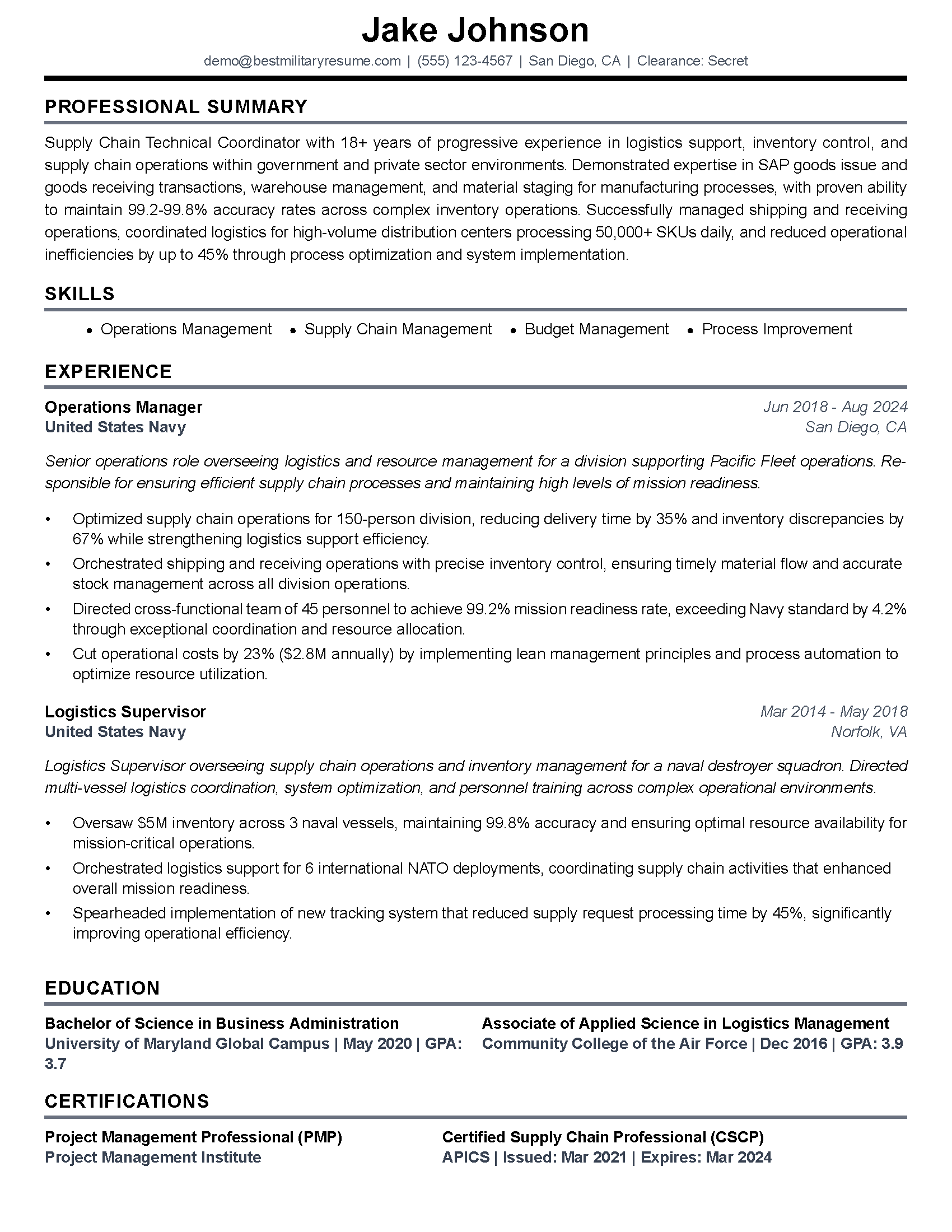
On your resume, list the card under certifications and training. Add the course type and the month and year you finished. Our safety manager resume guide covers the rest of the page.
Where is the OSHA 30 card required?
OSHA does not require it. Its card facts page says "Although some states, cities, and job creators have mandated Outreach Training Program courses as a prerequisite to employment, OSHA does not require the training."
OSHA's own rules may still call for other training. Its two examples are chemical hazards and powered industrial trucks.
New York City: a worked example
New York City (NYC) is one place where the card is a starting block. The NYC Department of Buildings (DOB) has a Site Safety Training page. It lists the hours a 2017 city law sets for covered sites.
- Covered sites: those "with a Construction Superintendent, Site Safety Coordinator, or Site Safety Manager."
- Workers need "a minimum of 40 hours of safety training defined by the Department."
- Supervisors, such as site safety managers, need "a minimum of 62 hours."
- OSHA 30 counts toward both. "Workers who have taken 30-Hour OSHA in the past 5 years or 40-Hour Site Safety need 10 hours of additional training courses."
- Those 10 hours are an 8-hour fall prevention course and a 2-hour mental health course.
- "SST cards are valid for five years from the date of issuance."
The supervisor card can also start from OSHA 30 taken in the past five years. Then it adds more courses on top. So a card older than five years may not count in NYC.
Check the job site's city and state rules before you pay for a class. Read the posting too. It will say if the employer wants the card.
How do I spot a fake card or trainer?
OSHA says "Only OSHA-authorized trainers may teach 10- and 30-hour safety courses and issue OSHA student course completion cards." It adds that OSHA "publishes a public list of authorized trainers."
Check three things before you pay:
- The trainer or online provider is on OSHA's authorized trainer list.
- The list shows them for your course type, such as construction or maritime.
- The ad does not promise you a job.
If you find a fake, OSHA says to contact the Department of Labor's Office of Inspector General.
Fakes do happen. The NYC page says "on September 8, 2026, the Brooklyn District Attorney's Office announced that Redcode, Inc. was indicted for the fraudulent issuance of Site Safety Training cards." DOB said it was voiding all of Redcode's training certificates. It gave affected workers a 90-day grace period "through December 7, 2026" to retrain.
Which safety credentials come after OSHA 30?
The Board of Certified Safety Professionals (BCSP) offers the four below. The rules come from BCSP's own pages. Each fee is for one try at the exam.
| Credential | Degree | Experience | Exam fee |
|---|---|---|---|
| Associate Safety Professional (ASP) | A bachelor's in any field, or an associate in safety, health or the environment | One year, at least half of it preventive, professional safety work | $350 |
| Certified Safety Professional (CSP) | A bachelor's degree | Four years, at least half of it preventive, professional safety work, plus a qualified credential | $350 |
| Construction Health and Safety Technician (CHST) | None listed | Three years in construction safety, at least 35% of it safety duties | $300 |
| Occupational Hygiene and Safety Technician (OHST) | None listed | Three years, at least 35% of it hygiene or safety duties | $300 |
The CSP's qualified credential list includes the ASP. BCSP says "Once determined eligible, candidates have one (1) year to take and pass" the exam. Each one also has a yearly fee. You must earn points to renew it every five years.
BMR advice: a construction safety lead with three years of duties may fit the CHST. A degree holder with a year of safety work may fit the ASP first.
Is there a military route to the CSP?
BCSP says its certifications "have been mapped to over 700 occupations" across the services. Your safety years count only if they meet the rules in the table.
BCSP also lists a direct route for one Army certificate. Two BCSP pages describe it in different ways.
- The CSP page lists this as a qualified credential: "Professional Certificate in Safety and Occupational Health, U.S. Army Combat Readiness Center (ACRC) (formerly 'CP-12')."
- The CSP page adds, "Note that all education requirements must be met when pursuing the CSP."
- The service member page says the same certificate earns "The Transitional Safety Practitioner (TSP) designation."
So one page names the certificate itself. The other names the TSP it leads to. The TSP is also on the CSP list. Ask BCSP which wording applies to your file.
For federal safety jobs, read the federal safety and occupational health guide or the federal safety engineering guide.
Which BCSP costs do COOL and VA pay?
The military pays for some credentials through COOL. That stands for Credentialing Opportunities On-Line. BCSP says the ASP, CSP and CHST "are listed by COOL as 'In Demand.'" BCSP also says "COOL programs pay for exam fees, examCORE, and certifications' renewal fees."
The Army COOL page lists its own limits. The first two came in a November 14, 2025 Army message:
- The Army now funds up to $2,000 a year in credential costs.
- The Army funds one credential a year per soldier, and three in 10 years.
- Since March 19, 2026, commissioned officers (O-1 to O-10) cannot get this funding.
- An officer with an unfinished goal filed before that date can still ask for funding to finish it.
The Army page itself does not name OSHA 30 or any BCSP credential. BCSP is the source for the "In Demand" listing.
The Department of Veterans Affairs (VA) has a test fee benefit for GI Bill users. It can pay you back for some tests. Each one uses part of your GI Bill entitlement. It covers only tests for jobs that need a license or certification.
The limit is "no more than $2,000 per test." VA says "Your benefits will cover only tests approved for the GI Bill."
Ask VA whether your BCSP exam qualifies, then plan your budget. The OSHA 30 class is a course, not a test. So it may not fit VA's test benefit at all. Our COOL guide and GI Bill certifications guide go deeper.
Rules checked November 2026 on OSHA's Outreach and card facts pages and BCSP's credential pages. The NYC rules come from its Department of Buildings page. Funding rules were checked the same month on the Army's and VA's pages.
What to Do Next
"I recently started a job as the Director of Facility Operations at (Redacted). BMR was a huge part of making this happen! Just so you are aware I originally applied for the safety manager position and was selected as the top candidate." Brian, Navy Lieutenant (O-3)
Start with one site safety or EHS posting. Give each safety billet a number: inspections run, people trained, injuries cut. Open BMR's Resume Builder with that posting. That job's copy comes back with a new summary, work bullets and skills. Then a check cuts any claim that a role did the posting's job when it never did.
Frequently Asked Questions
Does an OSHA 30 card expire?
What is the difference between OSHA 10 and OSHA 30?
Can I take the OSHA 30 course online?
What if I lost my OSHA 30 card?
About the author
Brad Tachi is the CEO and founder of Best Military Resume and a 2025 Military Friendly Vetrepreneur of the Year award recipient for overseas excellence. A former U.S. Navy Diver with over 20 years of combined military, private sector, and federal government experience, Brad brings unparalleled expertise to help veterans and military service members successfully transition to rewarding civilian careers. Having personally navigated the military-to-civilian transition, Brad deeply understands the challenges veterans face and specializes in translating military experience into compelling resumes that capture the attention of civilian employers. Through Best Military Resume, Brad has helped thousands of service members land their dream jobs by providing expert resume writing, career coaching, and job search strategies tailored specifically for the veteran community.
