How to Get SkillBridge Command Approval: Tips That Work
Justin was hired during terminal leave. "The best resume I have ever seen."
Justin, E-7, Air Force, network engineering, named his number and got it
Getting accepted by a SkillBridge partner company is only half the battle — you also need your command to approve your participation, and this is where many service members hit unexpected resistance. Command approval is not guaranteed, and the process can feel frustrating when you have a great opportunity lined up but your chain of command is hesitant to let you go. The good news is that most SkillBridge denials are not about the program itself — they are about timing, communication gaps, or operational concerns that you can address proactively if you know what commanders are actually worried about. Understanding why commands approve or deny SkillBridge requests, how to time your application strategically, what documentation you need, and how to address common objections gives you the best chance of getting approved on your first request rather than spending months going back and forth with your leadership.
The reality is that command approval depends heavily on your unit's operational tempo, your specific role, how replaceable your duties are, and the relationship you have built with your chain of command throughout your service. None of these factors are things you can change overnight — but you can control how you frame your request, when you submit it, and how thoroughly you prepare the supporting documentation that makes it easy for your commander to say yes. The service members who get approved quickly are the ones who make it as easy as possible for the command to approve — they anticipate every objection, provide concrete solutions for each one, and present SkillBridge as something that benefits the unit and demonstrates the command's commitment to its people, not just as a personal career development request. Approaching the process with this mindset changes the dynamic from asking for a favor to proposing a plan that works for everyone involved.
When Should You Start the SkillBridge Approval Process?
The single biggest factor in successful command approval is timing. Start the conversation early — much earlier than most service members think is necessary. Ideally, you should begin informal conversations with your immediate supervisor 12 months before your desired SkillBridge start date, and submit your formal request 6-9 months before you want to begin the program. This timeline gives your command plenty of time to plan for your absence, find a replacement for your duties, and process the paperwork without feeling rushed or blindsided.
Many SkillBridge denials happen because the service member waited too long and dropped the request on their chain of command with insufficient lead time. When a commander is told "I need to start SkillBridge in 30 days," their default response is often no — not because they object to the program, but because they cannot operationally absorb the loss of a trained person on that timeline. When the same commander is told "I would like to start SkillBridge in 8 months, and here is my plan for transitioning my duties," the conversation is fundamentally different because you have given them time and shown respect for the unit's mission requirements.
Your transition timeline should factor in SkillBridge as a key milestone. The program allows up to 180 days (6 months) of participation during your final months of service, but your command can approve anywhere from a few weeks to the full 180 days. Having a clear timeline that shows your commander exactly when you plan to start, when you separate, and how your duties will be covered during the transition period demonstrates the kind of planning and professionalism that makes approval easier.
What Documentation Do You Need for Command Approval?
Every branch has its own specific forms and requirements for SkillBridge approval, but the core documentation package is similar across services. Having all of this ready before you submit your formal request shows your chain of command that you are serious and organized — and it prevents delays caused by missing paperwork.
Required documentation typically includes: Your branch-specific SkillBridge application form (Army: DA Form 4187 with SkillBridge memo; Navy: special request chit; Air Force: AF Form 988; Marines: administrative action request). A memorandum of understanding (MOU) or agreement from the SkillBridge partner company confirming they have accepted you into their program and specifying dates, location, and training plan. A transition plan that details how your current duties will be covered during your absence — this is the document that matters most to your commander because it directly addresses their primary concern about mission impact. Your most recent performance evaluation or fitness report demonstrating you are in good standing. Proof that you have completed all required transition activities (TAP briefings, medical appointments, etc.) or have a plan to complete them.
The transition plan deserves special attention because it is the document that can make or break your approval. A strong transition plan identifies every critical duty you perform, names the specific person who will assume each duty during your absence (with their agreement and their supervisor's acknowledgment), includes a realistic training timeline for those individuals, and addresses any high-priority events or deadlines that fall within your SkillBridge period. If your commander reads your transition plan and sees that you have already thought through every operational concern, their path to approval becomes much clearer.
SkillBridge Approval Timeline
12 Months Out: Start Informal Conversations
Tell your supervisor you are interested in SkillBridge. Begin researching partner companies and programs.
9 Months Out: Apply to Partner Companies
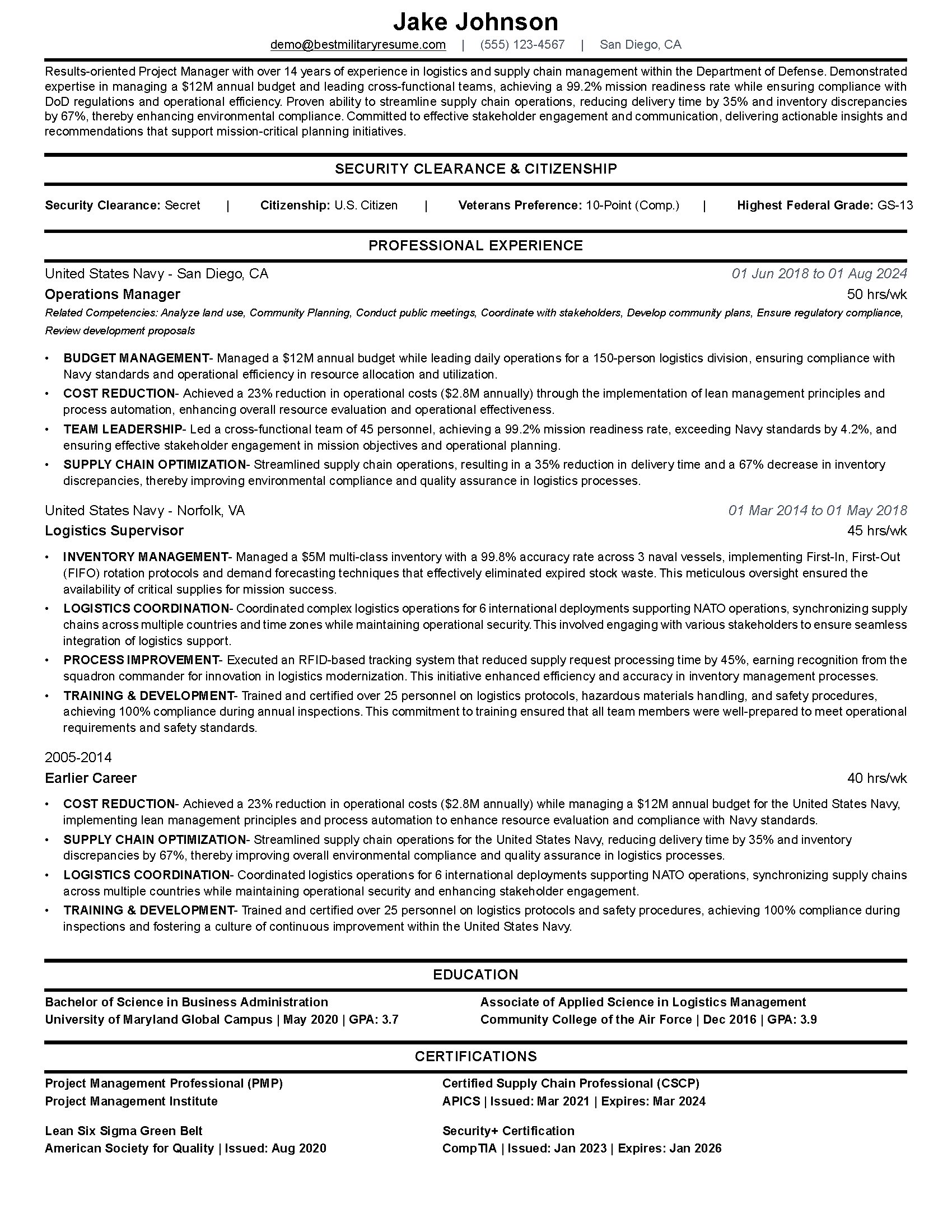
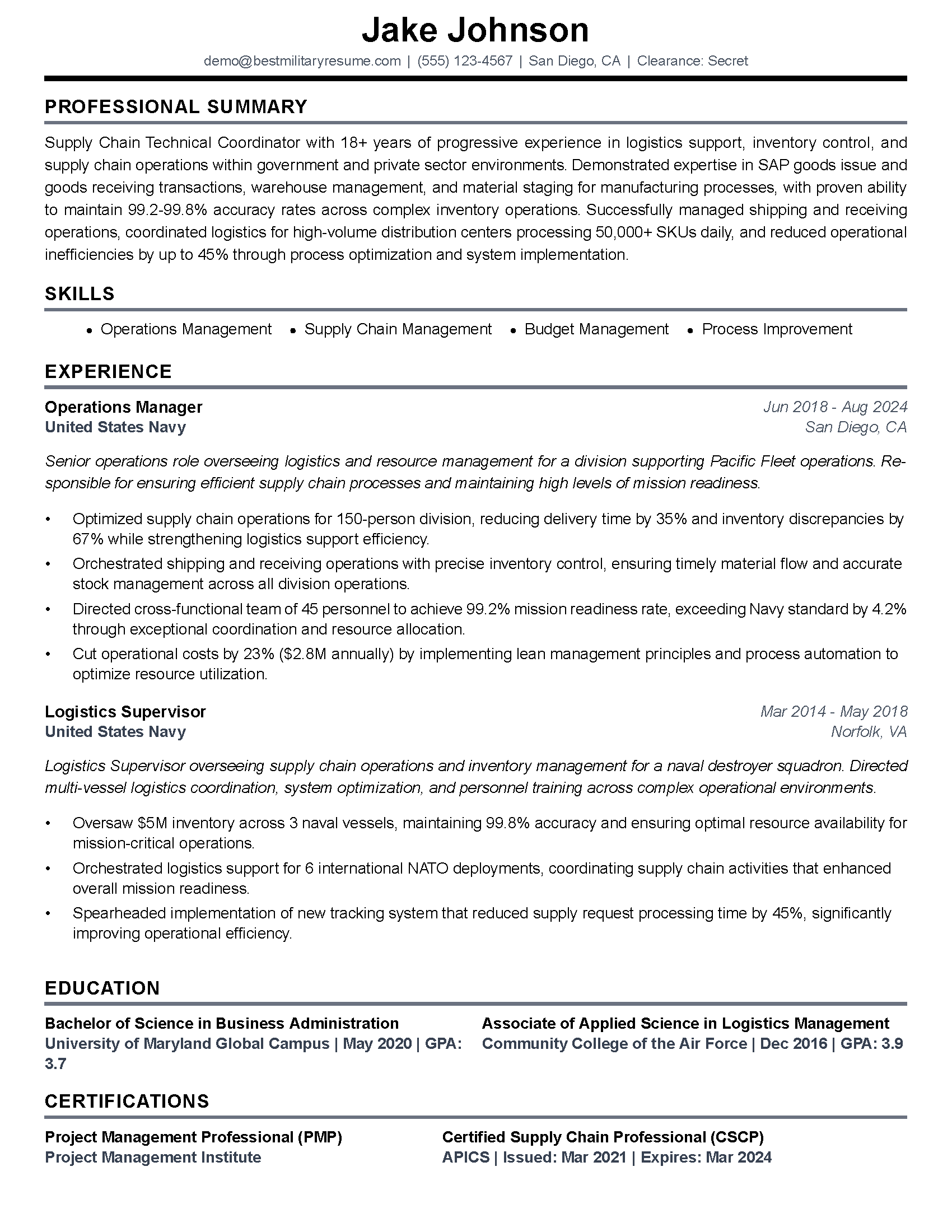
Submit applications with your tailored resume. Secure acceptance letter and MOU from partner company.
6-7 Months Out: Submit Formal Request
Submit complete documentation package with transition plan, MOU, and forms to chain of command.
4-5 Months Out: Train Replacement, Begin Handoff
Execute your transition plan. Train the person taking over your duties, document all processes in writing, and complete TAP requirements. Leave nothing to chance — the smoother this handoff goes, the more likely your command will approve future SkillBridge requests for others in your unit.
How Do You Address Common Command Objections?
Understanding the objections your chain of command is likely to raise — and having thoughtful responses prepared — is critical to successful SkillBridge approval. Here are the most common concerns commanders express and how to address them effectively:
"We can't afford to lose you right now." This is the most common objection, and your transition plan is the direct response. Show your commander specifically who will take over each of your duties, that you have already begun training them, and that the transition will be gradual rather than abrupt. If your unit is in a high-OPTEMPO period, consider offering to start SkillBridge after the critical event passes, or requesting a shorter SkillBridge period (90 days instead of 180) as a compromise that shows flexibility while still allowing you to participate.
"SkillBridge is not a priority for the unit." Frame SkillBridge as a retention and morale tool, not just a personal benefit. When commands support SkillBridge, it sends a message to the entire unit that the leadership cares about soldiers' post-service careers. This improves morale and retention. You can also reference DoD policy that establishes SkillBridge as an authorized transition program that commands should support when operationally feasible — it is not a vacation request, it is an established Department of Defense program codified in DoDI 1322.29 with explicit policy support.
"I have never approved one of these before." If your commander is unfamiliar with SkillBridge, they may default to caution. Prepare a one-page information sheet that clearly explains the program, references the governing DoD instruction (DoDI 1322.29 for the overarching policy and your branch-specific implementing guidance), outlines the benefits to the service member and the unit, and provides the specific approval process. Making it easy for your commander to understand the program and their role in the approval process removes the friction of unfamiliarity. If possible, connect them with another command that has previously approved SkillBridge participants so they can hear firsthand that the process was smooth and the unit impact was manageable. Having a peer reference from another commander who successfully supported a SkillBridge request can eliminate the uncertainty that drives initial hesitation.
"Your separation date is too far out / too close." SkillBridge eligibility requires you to be within 180 days of your separation or retirement date. If your commander thinks your timeline does not align, provide a clear calendar showing your separation date, the SkillBridge start and end dates, and how terminal leave fits into the schedule. Having the dates clearly documented prevents confusion and demonstrates that you understand the program requirements and timeline constraints. Include your ETS or EAOS date, the exact SkillBridge start and end dates, any terminal leave you plan to take, and your final out-processing date — all on one clean document that your commander can reference without digging through paperwork. A visual calendar or timeline document can be especially effective — it gives your commander a single-page reference that shows exactly how everything fits together without requiring them to piece dates together from multiple documents.
What If Your Request Gets Denied?
If your initial request is denied, do not give up — and do not burn bridges by going over your commander's head immediately. Instead, ask for specific feedback on why the request was denied and what conditions would need to change for approval. Sometimes the denial is about timing rather than principle, and resubmitting after an operational event passes or offering a modified SkillBridge duration can resolve the issue.
If the denial seems unreasonable or does not align with DoD policy supporting SkillBridge participation, you have options. You can request to speak with your installation's transition services office, which can provide guidance and sometimes advocate on your behalf. You can also escalate through your chain of command — if your immediate commander denied the request, the next level may have a different perspective, particularly if you can demonstrate that the denial is not based on legitimate operational concerns. Document everything in writing so there is a clear record of your request, the reasons for denial, and your efforts to address those concerns. Written documentation protects you and creates a paper trail that higher-level reviewers can evaluate if you need to escalate the request. Keep copies of every email, every signed document, and every counseling statement related to your SkillBridge request — if the situation ever needs to go to IG or your congressional representative, you want a complete record. Be professional and factual in all written communications — emotional appeals or confrontational language will hurt your case even if your frustration is justified.
Some service members find success by starting with a shorter SkillBridge request — 30 to 90 days rather than the full 180. A shorter commitment is easier for commands to approve because the operational impact is smaller, and it still gives you valuable civilian work experience during your transition. You can also explore alternative transition programs like Career Skills Programs (CSPs) or apprenticeships if SkillBridge is not available through your command.
Successful SkillBridge command approval comes down to preparation, timing, and making it easy for your commander to say yes. Start conversations 12 months before your desired start date. Build a thorough transition plan that addresses every operational concern. Submit your formal request 6-9 months out with complete documentation. Address objections proactively with solutions rather than arguments. If denied, ask for specific feedback, adjust your approach, and resubmit. SkillBridge is an authorized DoD program that your command should support when operationally feasible — your job is to demonstrate that feasibility through thorough planning.
Also see the Army ETS checklist.
Related: How to write a SkillBridge resume that gets you hired and the complete Army ETS checklist for 2026.
Explore SkillBridge: Find SkillBridge opportunities and build your application with BMR.
Frequently Asked Questions
How far in advance should I request SkillBridge approval?
Can my command deny my SkillBridge request?
What forms do I need for SkillBridge approval?
What is the most important document for SkillBridge approval?
What if my SkillBridge request is denied?
Can I do a shorter SkillBridge program?
Does SkillBridge affect my pay or benefits?
How do I find SkillBridge partner companies?
About the Author
Brad Tachi is the CEO and founder of Best Military Resume and a 2025 Military Friendly Vetrepreneur of the Year award recipient for overseas excellence. A former U.S. Navy Diver with over 20 years of combined military, private sector, and federal government experience, Brad brings unparalleled expertise to help veterans and military service members successfully transition to rewarding civilian careers. Having personally navigated the military-to-civilian transition, Brad deeply understands the challenges veterans face and specializes in translating military experience into compelling resumes that capture the attention of civilian employers. Through Best Military Resume, Brad has helped thousands of service members land their dream jobs by providing expert resume writing, career coaching, and job search strategies tailored specifically for the veteran community.
