Military Spouse Dental Hygiene License: Federal Law and the Compact
Luana, a military spouse, landed a Staff Policy and Procedures Analyst role.
Luana, military spouse, policy and procedures analyst
A dental hygienist who moves because a spouse got military orders can use a federal law today. Under 50 U.S.C. 4025a, your license "shall be considered valid for the scope of practice in the State of the new residence" after you apply to that state's board. The board has 30 days to act.
That holds if your license is in good standing with no discipline or open investigation in any state. The move must be on military orders.
A second route is on the way, but it is not open. The Dentist and Dental Hygienist (DDH) Compact is enacted in 13 states. Its FAQ says the commission "is currently setting up the necessary procedures, rules and systems for the compact to function."
The three items the new board needs are listed below, with California's and Texas's rules in one table.
Does your hygiene license count as a "covered license"?
It does if it meets the law's four tests. Then you can work in the new state after you apply. The board has 30 days to act and may run a background check first.
The law sits in the Servicemembers Civil Relief Act (SCRA), section 705A. It covers a spouse who moves because the service member got military orders to another state.
A military spouse dental hygiene license counts only if it is a "covered license." In plain words, it must meet all four of these:
- It's in good standing with the board that issued it.
- No state has revoked it or imposed discipline on it.
- No state has a pending investigation into unprofessional conduct tied to it.
- You did not give it up while under such an investigation.
Congress rewrote this section on December 23, 2024. The govinfo note on the law says Public Law 118-159 "amended section generally." So older coverage, like a February 2023 ADA News story, describes the first version. That version was added January 5, 2023.
What goes in your packet to the hygiene board?
The law lists three items in subsection (c). Send all three to the dental hygiene board in your new state.
- "Proof of military orders."
- "If the applicant is the spouse of a servicemember, a copy of the marriage certificate."
- "A notarized affidavit." In it, you swear to five things. You're the person named. Your answers are true and complete. You read the state's license rules and scope of practice. You meet and will follow them. You're in good standing in every state where you hold or held a license.
If the board can't act within those 30 days, it may give you a temporary license. That license "confers the same rights, privileges, and responsibilities as a permanent license."
Plan for one more step. Subsection (d) says the board "may conduct a background check" first. Our advice: get your fingerprints done early if the new board asks for them.
Paying a fee to the new board? Our page on getting license transfer costs paid back covers the money side. Is a practice manager asking how this works? Send them our guide for hiring a spouse licensed in another state.
Is the DDH Compact open yet?
Not yet. The compact's own site calls it "an optional, additional pathway for dentists and dental hygienists to practice in states where they do not hold a license." But no one can apply for a compact privilege today.
The compact map lists 13 enacted states. The 13 are Arkansas, Colorado, Iowa, Kansas, Maine, Minnesota, Nebraska, Ohio, Oklahoma, Tennessee, Virginia, Washington and Wisconsin. Bills are pending in Delaware, Massachusetts, Michigan, New Jersey and Pennsylvania.
Oklahoma was the latest. The compact's site says Oklahoma's governor signed Senate Bill 540 on May 13, 2026. That made it "the thirteenth state to enact" the compact. The commission is set to meet December 14, 2026, to vote on updates to the compact's model text.
Who will qualify once it opens
The FAQ lists what a hygienist will need for a compact privilege:
- An unencumbered license in a state that has joined the compact.
- Graduation from a dental hygiene program accredited by the Commission on Dental Accreditation (CODA).
- A pass on the national board exam.
- A completed clinical assessment for licensure.
- A background check passed before getting the home license.
- Any jurisprudence (state law) exam the new state requires.
- All required fees.
Extra permits still count. The FAQ names "administration of local anesthesia for dental hygienists" as one a new state may still require.
Which rule wins once the compact opens
Subsection (e) of 4025a covers compacts. It applies to a spouse licensed in several states under a compact described in 10 U.S.C. 1784. That spouse follows the compact's rules or the state's law instead. For that spouse, 4025a "shall not apply."
No dental compact privilege can be issued yet. So today, a dental hygienist uses the federal route or the new state's own path, not the compact. Social work is in the same spot, as our social work compact guide explains.
How do California and Texas handle a spouse who is a hygienist?
The table below comes from California's hygiene board form and Texas's TexVet veterans page (undated), checked November 2026. Check your new state's board for its current rules.
| State | What the state's page says | Who it covers |
|---|---|---|
| California (Dental Hygiene Board form, dated 11/2023) | A temporary license that "is nonrenewable." It expires 12 months after it is issued, or sooner. It covers the registered dental hygienist (RDH) license. It also covers the RDHAP (alternative practice) and RDHEF (extended functions) licenses. | A spouse or domestic partner of an active duty member. The member must be assigned to a California duty station under official orders. |
| Texas (TexVet veterans page, undated) | Active duty spouses applying with military credentials pay no application fee. You "may not apply online." You mail a paper application. Proof can include "Military Change of Station Orders." A jurisprudence assessment is due "once every four years." | A spouse of a service member who is on active duty. |
California gives a time-limited license while you finish a standard one. Texas waives the fee but makes you mail your forms. Each state sets its own path next to the federal one.
What still changes from one state to the next?
This part is BMR's advice, not a rule from any one source. Even with the federal law, three things can change in a new state.
- Permits for added duties. Local anesthesia is the clear example. Ask the new board if your old permit carries over.
- Jurisprudence exams. Many boards test you on their own state law.
- Renewal and continuing education. Each board sets its own renewal date and class hours. Put the new date on your calendar the day you're approved.
The written exam moves with you better. The National Board Dental Hygiene Examination (NBDHE) "is intended to fulfill or partially fulfill the written examination requirement for licensure in all states." Its owner still says to check each state board's site.
The work is worth the paperwork. On O*NET OnLine, dental hygienists had a 2025 median wage of $98,100. O*NET rates the field's projected growth through 2035 "much faster than average."
For other licensed fields, see our state guide to military spouse license reciprocity. If you're weighing other jobs, our list of portable healthcare careers for military spouses compares them.
Who do you apply to while the board decides?
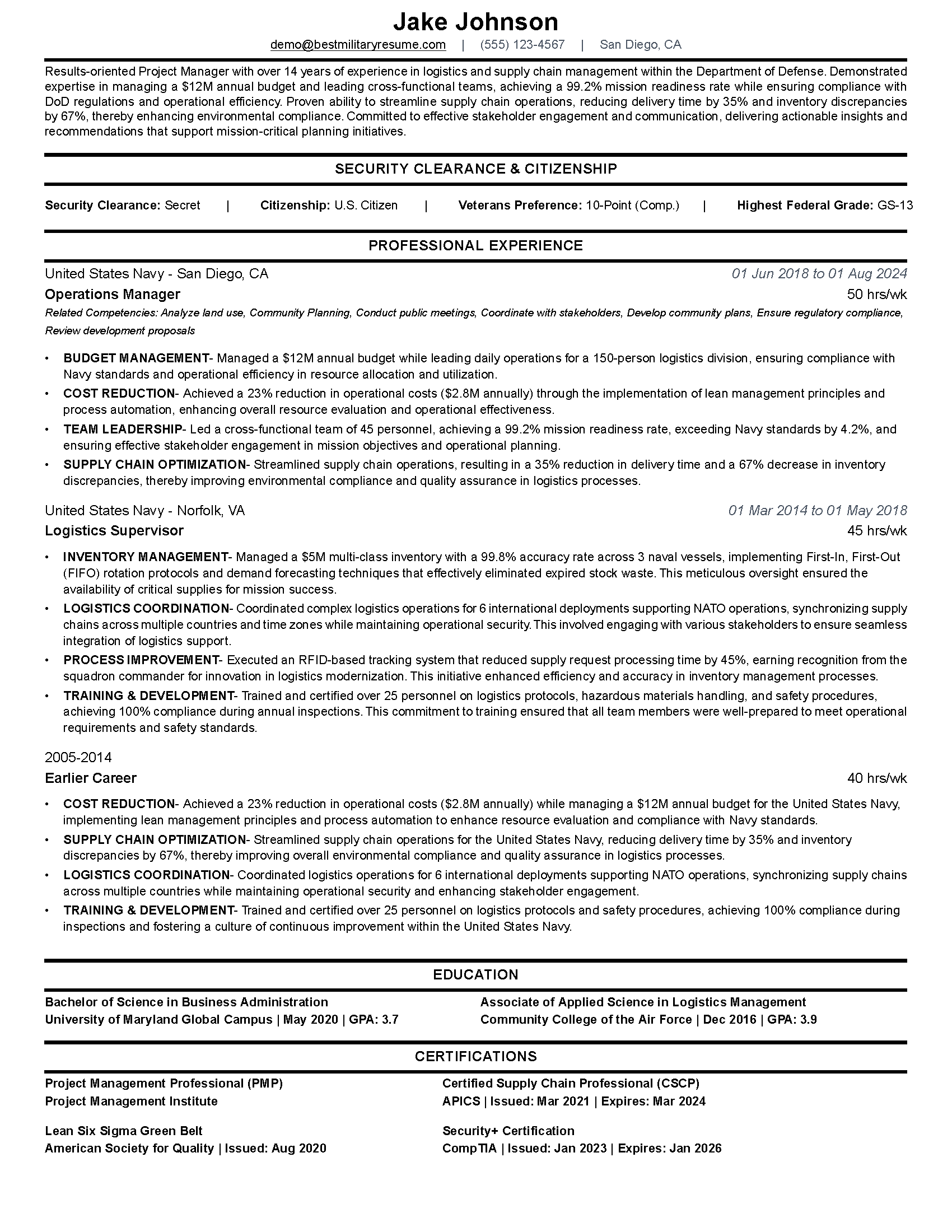
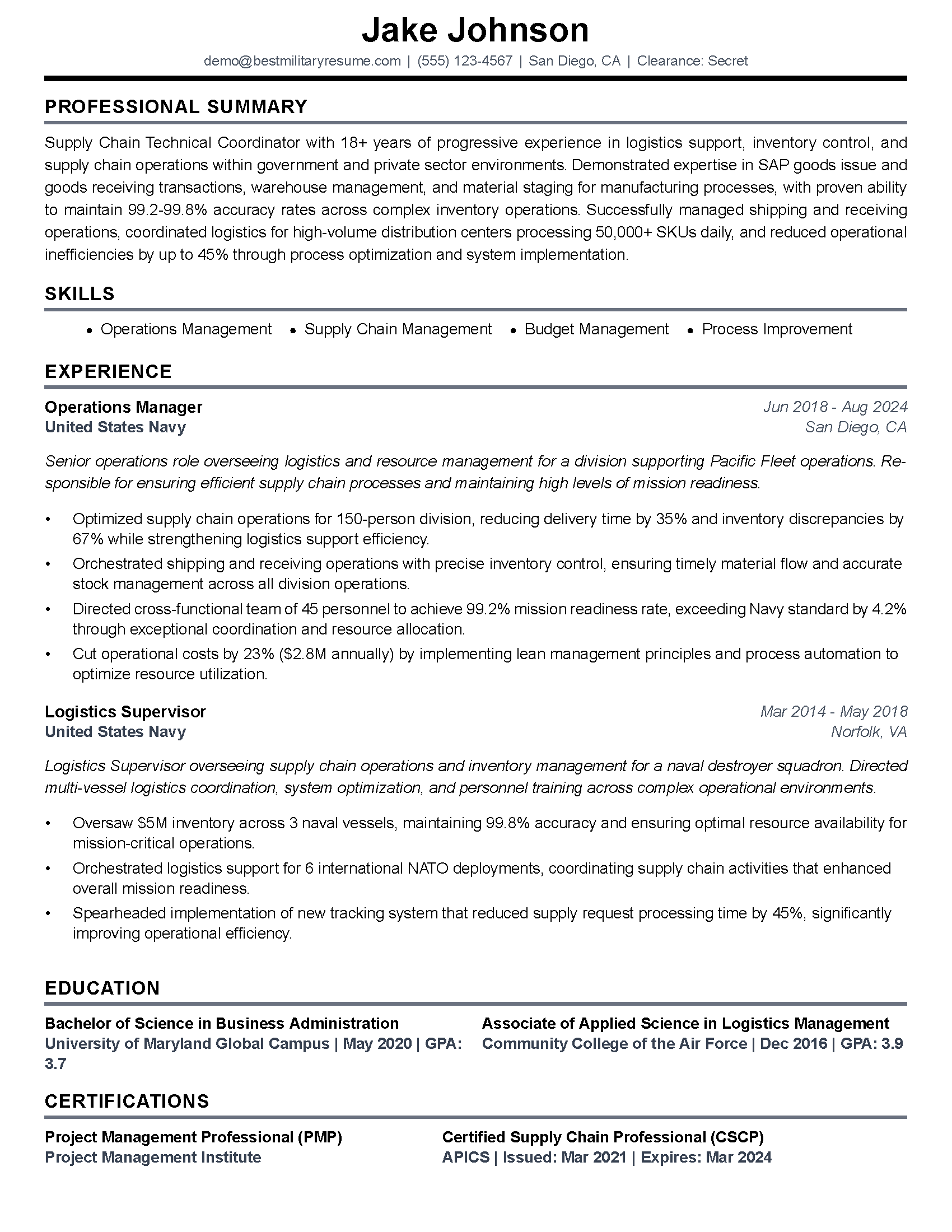
Start applying to practices near the new station while your packet is in. A dental office may ask which state licensed you and when you applied in the new state. Our advice: put both near the top of your resume. BMR's Resume Builder gets that resume ready while you wait.
79,061 resumes have been built on BMR. Military spouses can start free, with one federal and one private tailored resume.
Law text comes from govinfo's U.S. Code. Compact status comes from the compact's own site. California's rules come from its board's form, and Texas's from the TexVet page. All were checked November 2026.
Frequently Asked Questions
When does a California temporary hygiene license end early?
How long until I can apply for a DDH compact privilege?
Do I have to tell the Texas board when I move?
About the author
Brad Tachi is the CEO and founder of Best Military Resume and a 2025 Military Friendly Vetrepreneur of the Year award recipient for overseas excellence. A former U.S. Navy Diver with over 20 years of combined military, private sector, and federal government experience, Brad brings unparalleled expertise to help veterans and military service members successfully transition to rewarding civilian careers. Having personally navigated the military-to-civilian transition, Brad deeply understands the challenges veterans face and specializes in translating military experience into compelling resumes that capture the attention of civilian employers. Through Best Military Resume, Brad has helped thousands of service members land their dream jobs by providing expert resume writing, career coaching, and job search strategies tailored specifically for the veteran community.
