Rebuild Interview Confidence After Rejection (Veterans)
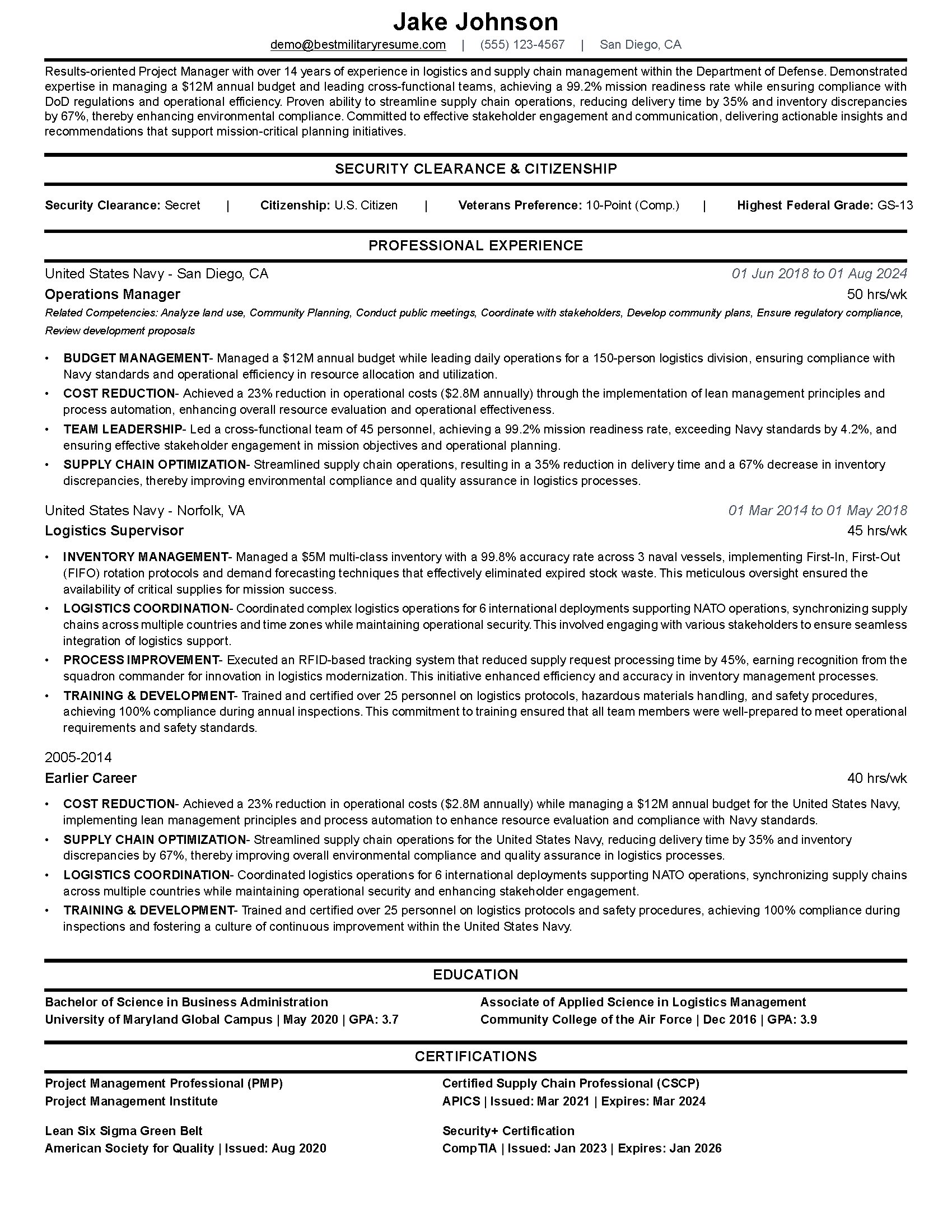
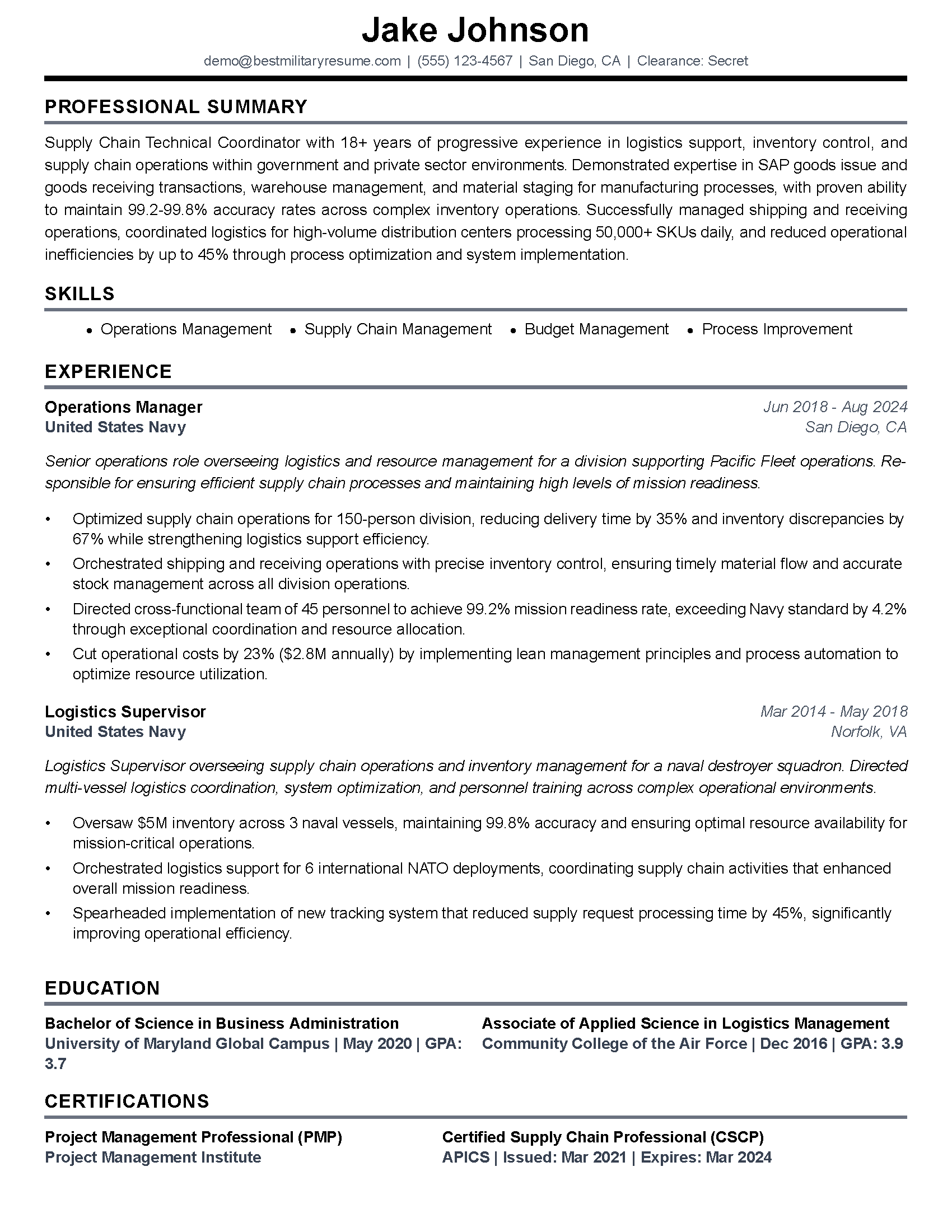
Taylor sent 200+ applications for 5 interviews. With BMR, 20 resumes all hit.
Taylor, E-7, Army, defense industry
You've had five interviews in two months. Each one felt close. Then the email shows up. They went with another candidate, and they wish you the best.
The first no stings. The third one starts to change how you walk into the room. By the fifth, you might catch yourself bracing for the rejection before the first question. You start to wonder something you'd rather not say out loud. What if I'm just bad at this?
I've sat on hiring panels for openings in my chain. There was one job and more than one good person in the stack. Somebody solid usually walked out with a no, and it often had little to do with them. This guide is about rebuilding interview confidence after rejection, so that person walks into the next room steady. You'll learn how to read a string of rejections and how to reset. You'll get a scorecard you control and a plan to rebuild with reps. Were you laid off and still finding your footing? Start with the guide to bouncing back after a layoff. This one is for the person who keeps getting to the interview and keeps hearing no.
What Does a String of Rejections Actually Tell You?
Less than it feels like. Each no is one decision, made by a few people, about one opening. Nobody in that room was grading your whole career.
Think about how a hiring decision works. Several people interview. The team picks one. The others often get the same email, even the person who came in a close second. You rarely see the score sheet. So you fill in the blank with the worst guess you can find.
Federal panels show this well. The Office of Personnel Management (OPM) describes a structured interview this way. Every candidate gets the same questions in the same order. All the answers are rated on the same scale. So you can give strong answers and still finish second. Strong and second is still a no.
Private employers may not score this way. Many don't. But the math is the same. One seat, several people, one pick.
So what can a run of rejections tell you? A few things, and none of them are about your value as a person.
- You're getting interviews: Your resume is doing its job. People who read it want to talk to you. That's real progress.
- The gap is in the room or the fit: Something happens after the first question. That part is learnable.
- You may not know the reason: Many employers won't tell you why. A missing reason is not proof of a bad reason.
Hold onto the first point. Plenty of applications don't turn into an interview. You're past that wall. What's left is practice and fit, and both can move.
Why Does Each No Hit Harder Than the Last One?
Because they stack. One rejection is an event. Five in a row starts to feel like a pattern, even when it isn't one.
In uniform, feedback often came with a structure. You had evals and counseling, and your chain told you where you stood. You might not have liked it, but you usually knew. Civilian hiring can be quiet. A form email shows up, and that's the end of it.
That silence leaves room for doubt. And doubt changes how you show up. In the next interview, it can show up like this.
- Hedging: You add "I think" and "sort of" to answers you know cold.
- Apologizing for your background: You open by saying you don't have civilian experience.
- Over-explaining: You keep talking because you're afraid the answer wasn't enough.
- Shrinking the scope: You say you helped with a job you actually ran.
Each of those can cost you points in the next room. So the rejections don't just hurt. They can make the next interview harder, which feeds the next no. That's the loop you're trying to break.
Maybe the doubt runs deeper, and you feel like you don't belong in civilian work at all. If so, read the guide on imposter syndrome after the military. That's a bigger topic than one bad month of interviews, and it gets its own space there.
How Do You Take a Short Reset Without Stalling Your Search?
You need a pause. You don't need a long one. A few days off from interviews can help you come back steady. A few weeks off can cost you momentum and open roles.
Try this reset after a no that really hurt.
- Write it down the same day: List the questions you got, while you still remember them. Note which answers felt strong and which ones felt shaky. Don't judge yet. Just capture it.
- Take a real break: Give yourself a day or two away from the search. Get a workout in or spend time with your people. Do something that has nothing to do with resumes.
- Keep one small task moving: Pick one thing that keeps the search warm. Save two postings you'd actually take. Answer one recruiter. Small is fine.
- Come back with a plan: When the break ends, open your notes and pick one answer to fix. One, not ten.
The point is to let the sting fade without letting the search go cold. A steady weekly rhythm tends to beat a sprint and a crash. Find jobs, tailor, apply, and practice, every week.
Watch for signs that this is more than a rough patch. Weeks of bad sleep, or pulling away from the people close to you, is worth taking seriously. The guide on burnout in the first civilian year covers that ground. And if you ever feel like you're in crisis, the Veterans Crisis Line is there around the clock. You can dial 988 and press 1, or text 838255. No job search is worth carrying that alone.
What Can You Score Yourself on When You Can't Control the Outcome?
You can't control who else applied. You can't control the budget or the internal candidate. If you only count offers, you'll feel like you're failing until the day you aren't.
So build a scorecard around what you do control. After each interview, grade yourself on these.
- Prep: Did I read the posting line by line and match my stories to it?
- On target: Did each answer fit what they asked, or what I wanted to talk about?
- Proof: Did I bring a number or a scope to my best examples? People led, gear tracked, money managed, time saved.
- Length: Did my answers land in a minute or two, or did they wander?
- Ownership: Did I say what I did, or only what the unit did?
- Questions: Did I ask them something that showed I'd done my homework?
Score each one as a yes, a partial, or a no. Then look at the trend across your last few interviews. That's the real feedback. If "Proof" is a no every time, you've found something to fix. Are you getting yes marks across the board? Then the rejections may be more about fit and competition.
This turns a vague feeling into a short list. A feeling of "I'm bad at interviews" gives you nothing to work on. A note that says "my answers run long and skip the result" gives you a plan.
Ownership is a common miss for people coming out of the service. You were trained to say "we," and that was the right habit in uniform. But the panel is hiring you. Say what you did first, then credit the team.
Where Can You Get Honest Feedback After a No?
Sometimes you can't. Many employers don't share reasons. But it's often worth one polite ask, and there are other places to look.
Should You Ask the Recruiter Why?
Reply to the rejection with thanks, and ask one thing. Something like asking if there's one skill you could strengthen for future roles. Keep it short and easy to answer. Some recruiters will reply. Many won't, and that's normal. The timing and wording of that message are covered in the interview follow-up guide.
Who Else Can Give You a Straight Answer?
Find someone who hires in the field you want. A former coworker works, and so does a veteran a few years ahead of you. Ask them to run one practice question with you and tell you the truth. One honest round from that person can be worth more than ten form emails.
Is There Free Counseling You Can Use?
The VA offers educational and career counseling under Chapter 36, also called Personalized Career Planning and Guidance. It's free. You may be eligible if you separated within the past year, or will separate within six months. Either way, the discharge has to be other than dishonorable. You may also qualify if you're eligible for a VA education benefit right now. Check the page for the full rules before you apply.
Whatever feedback you get, run it through your scorecard. If two different people point at the same habit, that's your signal. One comment is an opinion. The same comment twice is a pattern worth fixing.
How Do You Rebuild Confidence With Practice Reps?
A pep talk can wear off by the time you're sitting in the lobby. Confidence in an interview usually comes from one thing. You've already said the answer out loud, more than once, and it worked.
You knew this in the service. You rarely got good at a task by being told you were good at it. You got good by doing it until it was boring. Interviews are no different. Say you've answered a conflict question twenty times. You'll walk in calmer than someone who has thought about it twice.
Use these steps to build reps after a rough stretch.
- Start with the question that burned you: Pull it from your notes. Write a fresh answer using the STAR shape: situation, task, action, result. The STAR method guide for veterans walks through it with military examples.
- Say it out loud alone: Record yourself on your phone. Play it back. Cut the parts that wander. The guide on practicing interview answers alone has a full solo routine.
- Run it with a partner: Have a fellow vet ask it cold and push with a follow-up. The battle buddy mock interview guide shows how to run that like a drill.
- Get a score: Use a tool that grades the answer, so you aren't guessing.
- Repeat the weakest one: Don't finish a full set and stop. Go back to the answer that scored lowest and do it again.
Build a small story bank as you go. Pull your best examples from your resume, because that's often what the interviewer is reading from. Have a story ready for leading people and fixing a problem. Add one each for conflict, a mistake, and a tight deadline. When a question comes in, you're picking a story you've already told. You aren't building one on the spot.
Each good rep is evidence. After enough of them, you have proof you can do this. That proof is what confidence is built on.
What Should You Do Before and During the Next Interview?
The night before, keep it light. Reread the posting and your tailored resume. Pick the two stories that match the job best and run each one out loud once. Then stop. Late cramming can leave you wound up.
On the day, give yourself a short warm-up. Say your answer to "tell me about yourself" out loud in the car or before the call. It gets your voice moving and puts a good answer in your head first.
Walk in with a plan for the hard moments too.
- If you blank on an answer: Pause, breathe, and ask for a second to think. The guide on what to do when you freeze mid-answer gives you reset lines to use.
- If an old rejection pops into your head: Notice it and let it go. This panel has never met you. They don't know about the last five.
- If an answer goes badly: Finish it and move on. One weak answer rarely sinks a whole interview. Dwelling on it can hurt the next three.
- If they ask about your search: Keep it simple and forward. You're being selective and looking for the right fit. No need to list every no.
Treat each interview as one more rep. A rep can go badly and you still get the next one. That takes some weight off. And people tend to interview better when they aren't carrying the whole search into one hour.
After it's over, run your scorecard the same day. Then go back to your rhythm. Find the next posting, tailor, apply, practice. The next no, if it comes, is just one more data point. The yes only has to happen once.
What to Do Next
Pick one answer from your last interview that didn't land. Rewrite it tonight. Say it out loud tomorrow. That's the first rep, and it counts.
Then make sure the two pieces you control are in shape. The first is your resume. You're getting interviews, so it's working, but every posting asks for something a little different. A version tailored to each job means the stories on your page match the questions in the room. That makes your answers easier to tie back to what you wrote.
The second is your reps. Best Military Resume has a mock interview tool built for this. You name the job and pick a behavioral, technical, or federal interview. Then you type your answer the way you'd say it. You can also dictate it with the mic. The tool scores each answer on eight things, like whether you answered the question, structure, numbers, and length. Then it tells you what was missing, so you can answer again. A free account includes two practice sessions and two tailored resumes, one private-sector and one federal.
You can create a free Best Military Resume account and run your first practice round tonight. Start with the question that burned you last time. Fix it, score it, and walk into the next interview having already won that one.
Frequently Asked Questions
Is it normal to get rejected after several interviews in a row?
How long should I take off after a tough interview rejection?
Should I ask an employer why I wasn't selected?
How do I stop past rejections from hurting my next interview?
Does Best Military Resume have a mock interview tool?
Where can veterans get free career counseling?
About the Author
Brad Tachi is the CEO and founder of Best Military Resume and a 2025 Military Friendly Vetrepreneur of the Year award recipient for overseas excellence. A former U.S. Navy Diver with over 20 years of combined military, private sector, and federal government experience, Brad brings unparalleled expertise to help veterans and military service members successfully transition to rewarding civilian careers. Having personally navigated the military-to-civilian transition, Brad deeply understands the challenges veterans face and specializes in translating military experience into compelling resumes that capture the attention of civilian employers. Through Best Military Resume, Brad has helped thousands of service members land their dream jobs by providing expert resume writing, career coaching, and job search strategies tailored specifically for the veteran community.
