Why Did You Join the Guard or Reserve? Interview Answers
Taylor sent 200+ applications for 5 interviews. With BMR, 20 resumes all hit.
Taylor, E-7, Army, defense industry
The interviewer leans back and asks what sounds like small talk. Why did you join the Guard? It usually isn't small talk at all.
A lot of drilling members stall on this one. Some say "for college money" and stop there. Others tell a long story about a recruiter at the mall. Neither answer helps you get the job.
I'm a Navy Diver veteran. I can't tell you why you joined, so I won't hand you a script. What I can give you is the playbook. You'll see what the interviewer is checking and a short structure to use. You'll also get sample answers for common reasons. You bring your own facts.
This guide covers one question, the motive question. It doesn't cover the deployment question or why you left active duty. Both have their own guides, linked where they fit.
Why Do Interviewers Ask Why You Joined?
Interviewers ask this to learn four things about you. One short answer touches all of them.
- Your values: Why you signed up shows what you care about. A clear reason tells them how you make big choices.
- Your commitment: You took an oath and kept a schedule for years. They want to know if you finish what you start.
- Where this job ranks: Some managers worry the civilian job will feel like a side gig. They listen for whether this role matters to you.
- Your staying power: They want to know you'll still be around in two years. A calm, settled answer helps.
Notice what's missing from that list. They usually aren't asking about your drill schedule here. If they do ask, that's a different question. The guide on answering the deployment question in a job interview covers it. Keep this answer on the why.
The question shows up in a few forms. What made you sign up? Why stay in part-time? Why the Reserve and not active duty? It's the motive question each time, so the same structure works.
Pick your word first.
Picture the interviewer writing one word in the margin after you answer. Maybe it's "steady" or "driven" or "planner." Pick the word you want. Then build your answer toward it.
What Was Your Real Reason for Joining?
Start with the truth. A made-up noble reason tends to sound thin, and good interviewers can hear it. Your real reason is almost always usable. It just needs a frame that points at the job.
Here are reasons people often give. Each one quietly says something about how you'd work.
- Service and values: You wanted to give back without leaving your town. That signals duty and follow-through.
- Education benefits: You used the GI Bill or tuition help to earn a degree or cert. That signals planning and a long view.
- A skill or trade: You trained as a mechanic, a medic, or a comms tech. That signals you build skills on purpose.
- Staying in after active duty: You left full-time service but kept serving part-time. That signals loyalty and steady habits.
- Your home state: You wanted to help your own community after a storm or flood. That signals you show up for the people near you.
- Family tradition: A parent or grandparent served before you. That signals roots and a sense of duty.
- Pay and benefits: The drill pay and health coverage helped your family. That signals you take care of your people.
The home-state reason fits the National Guard best. Guard units can be called up by their governor for state missions. Reserve units don't have that state role.
Two of those reasons tie to real programs, so get the names right. The Montgomery GI Bill Selected Reserve offers up to 36 months of education and training benefits. It's for members who qualify. TRICARE Reserve Select is a premium-based health plan for qualified Selected Reserve members and their families. Name the program once if it fits. Don't turn your answer into a benefits brief.
How Do You Build a Strong Answer?
Use four beats. Aim for 30 to 45 seconds out loud. That's roughly 80 to 110 words.
- Reason: One sentence with your honest motive. Skip the backstory.
- Proof: One fact that shows you followed through. Years served, a skill earned, or a degree finished.
- Bridge: What that service built in you that this job needs.
- Close: Point back at this role. End on the job, not the uniform.
The close does the heavy lifting. It answers a worry the interviewer may never say out loud. They may wonder if this job is the real job. Ending on the role tells them it is.
This works a lot like your answer to tell me about yourself, just shorter. If they ask for a story about a time you did something, switch tools. The STAR method for behavioral questions is built for that.
Here's the same motive answered two ways. Both people joined for school money. Only one of them points the answer at the job.
Honestly, I joined for the college money. It paid for school, so that was nice. I've been in about six years now.
I joined the Army Reserve to pay for school. I finished a business degree while drilling. That taught me to plan a semester around a training calendar. This role runs on that kind of planning. That's why I applied.
What Do Good Sample Answers Sound Like?
Below are six sample answers, one per motive. The units and details are made up to show the shape. Swap in your own facts. Each one runs about 60 to 70 words. Add a detail of your own to reach 30 to 45 seconds.
Education Benefits
The setup: An Army National Guard member applies for a project coordinator job.
I joined the Army National Guard at 19 to pay for college. I wanted a degree without big loans. I finished a business degree while drilling one weekend a month. That meant planning every semester around a training calendar. I got good at keeping two schedules straight. This coordinator role is about keeping schedules straight. That's what caught my eye.
A Skill or Trade
The setup: A Marine Corps Reserve member applies for a fleet mechanic job.
I joined the Marine Corps Reserve because I wanted to learn to fix engines. I trained as a vehicle mechanic and I've worked on trucks for six years. Drill weekends kept my hands on real equipment. I like work where you can see the result at the end of the day. Your shop runs the kind of fleet I've trained on. I'd like to work on it.
Staying In After Active Duty
The setup: A Navy veteran did four years active. Now he drills in the Navy Reserve. He's applying for a logistics analyst role.
I did four years active in the Navy. When I got out, I wasn't ready to stop serving. The Reserve let me keep that tie and build a civilian career too. Most of my time now goes to my civilian work. Logistics is what I did in the Navy, and it's what I want to grow in here. This job is my main focus.
Serving Your Home State
The setup: An Air National Guard member applies for a county emergency management job.
I joined the Air National Guard because I wanted to serve my own state. I've drilled with my wing for five years. When storms hit, Guard members often end up helping their neighbors. I wanted to be one of those people. That same pull is why I'm here today. County emergency work is about the people who live here. I want to do that full time.
Family Tradition
The setup: An Army Reserve member applies for an inside sales role.
My grandfather and my mom both served, so I grew up around it. Joining the Army Reserve felt like my turn. I've served for eight years now. It taught me to keep my word and show up prepared. I've carried that into every civilian job I've had. In sales, keeping your word is how you keep customers. That's how I'd work here.
Pay and Benefits
The setup: A Coast Guard Reserve member applies for an IT help desk role.
I'll be straight with you. I joined the Coast Guard Reserve partly for the pay and the health coverage. My family needed both at the time. I've stayed in for six years since. What I didn't expect was how much I'd learn. I learned to stay calm and work a problem step by step. That's most of help desk work. I'd bring it here on day one.
Look at what every sample does at the end. It turns toward the job. None of them stop at the uniform. That turn is the part you want them to remember.
Lead with one reason.
You may have joined for several reasons. Lead with the one that ties best to this job. You can mention a second one in passing. Stack four reasons in a row and it starts to sound like a list.
How Does the Answer Change If You Came Off Active Duty?
Your path into the Guard or Reserve changes what the interviewer wonders about. Two paths are common, and each one raises its own quiet question.
You Left Active Duty and Kept Serving
The interviewer may wonder why you left full-time service at all. Keep that part to one sentence. If they dig in, you'll want a clean answer ready. The guide on answering why you left the military walks through it.
For this question, frame the choice as a balance. You picked a civilian career and kept the part of service you valued. That shows you think things through. Watch that your answer doesn't slide into a complaint about active duty. A gripe here can make the interviewer wonder what you'll say about them later.
One more tip for this group. You likely have more than one reason, since you chose the military twice. Pick the reason for staying in, not the reason you first enlisted. It's more recent, and it shows a grown-up choice.
You Joined Straight From Civilian Life
Here the quiet question is different. The interviewer may wonder why you took on a second commitment on top of work. Answer that head-on. You added the duty on purpose, and you've kept both going.
That's a real strength, so don't shrink it. If you lead people at drill, you have proof many candidates don't. The guide on selling Reserve leadership to a civilian employer shows how to put it on paper. In the interview, one line about it is enough.
What Mistakes Sink This Answer?
Most of the damage here comes from a few habits. Each one is easy to fix once you hear it.
- Oversharing: The recruiter story, basic training, and your full timeline all eat time. The interviewer asked why, not when and where.
- Making the job sound second: Saying the role fits nicely between drills is a red flag. Make it clear this job is your main work.
- Politics: Leave out wars, leaders, and policy fights. Keep it to your own reasons.
- Money with no pivot: Saying you needed the money is honest. Stopping there leaves the interviewer with nothing about you.
- Shrinking your service: Saying it's only one weekend a month makes your commitment sound small. Don't apologize for part-time duty.
- Going long: Past a minute, the interviewer may stop listening. Cut it to 45 seconds or less.
The second mistake is the costly one. Many Guard and Reserve members really do juggle two ladders. The guide on balancing a civilian career with Reserve promotion covers that juggle. In the interview, keep the focus on the job in front of you.
Watch the money line.
Saying you joined for money is fine. Ending there is the problem. Add what you learned or built, then tie it to the job. Two extra sentences fix it.
How Should You Practice This Answer?
Write the answer out first. Use the four beats and keep it to about 100 words. Then read it out loud with a timer running.
Your first read will likely run long. Cut until you land between 30 and 45 seconds. Then put the paper away and say it from memory. You want it to sound like you talking, not like a script.
Next, practice the follow-ups. A good answer often earns a second question. Have short replies ready for these.
- Would you go back on active duty? Answer honestly, and keep it short.
- How do you balance drill and work? Name one habit you use, like planning around the training calendar.
- What do you do at drill? Give a one-line job description in plain civilian words.
- Do you plan to stay in? Share what you know, and steer back to this job.
This question can come early, sometimes right after the opener. Early answers set the tone. See what tends to get noticed in the first 90 seconds of an interview.
Practice with a person if you can. A friend from your unit makes a good mock interviewer. The guide on running a mock interview with a battle buddy shows how to set it up. If nobody's free, this guide on practicing interview answers alone works too.
You can also run it in BMR's mock interview. It asks you questions, you answer, and it gives you feedback. Free accounts include two mock interview sessions. Paid plans add more.
What to Do Next
Write your answer tonight. Start with your real reason. Add one proof point, one bridge, and a close that points at the job.
Then run it in a mock interview until it fits in 45 seconds. Practice the follow-ups too. That way a second question won't catch you flat-footed.
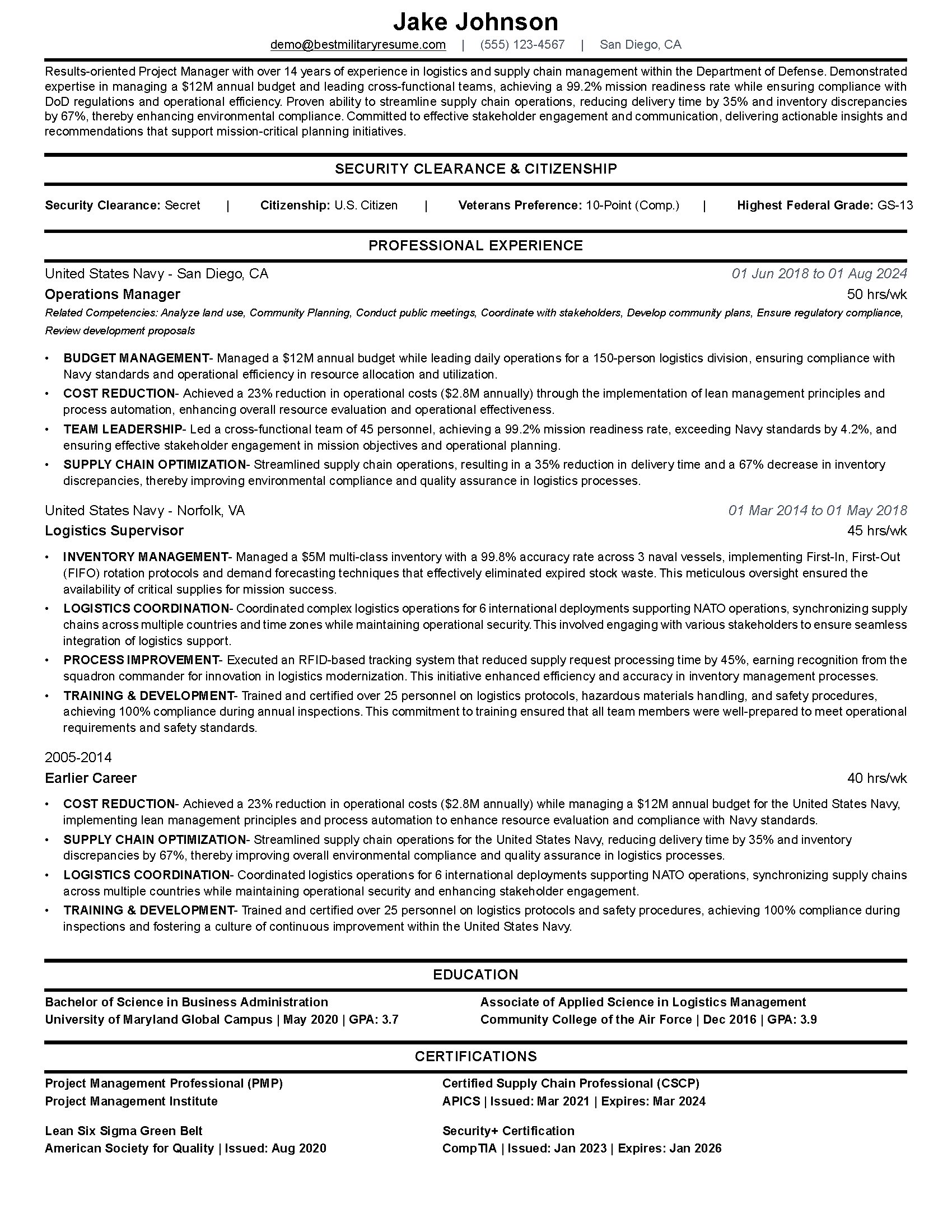
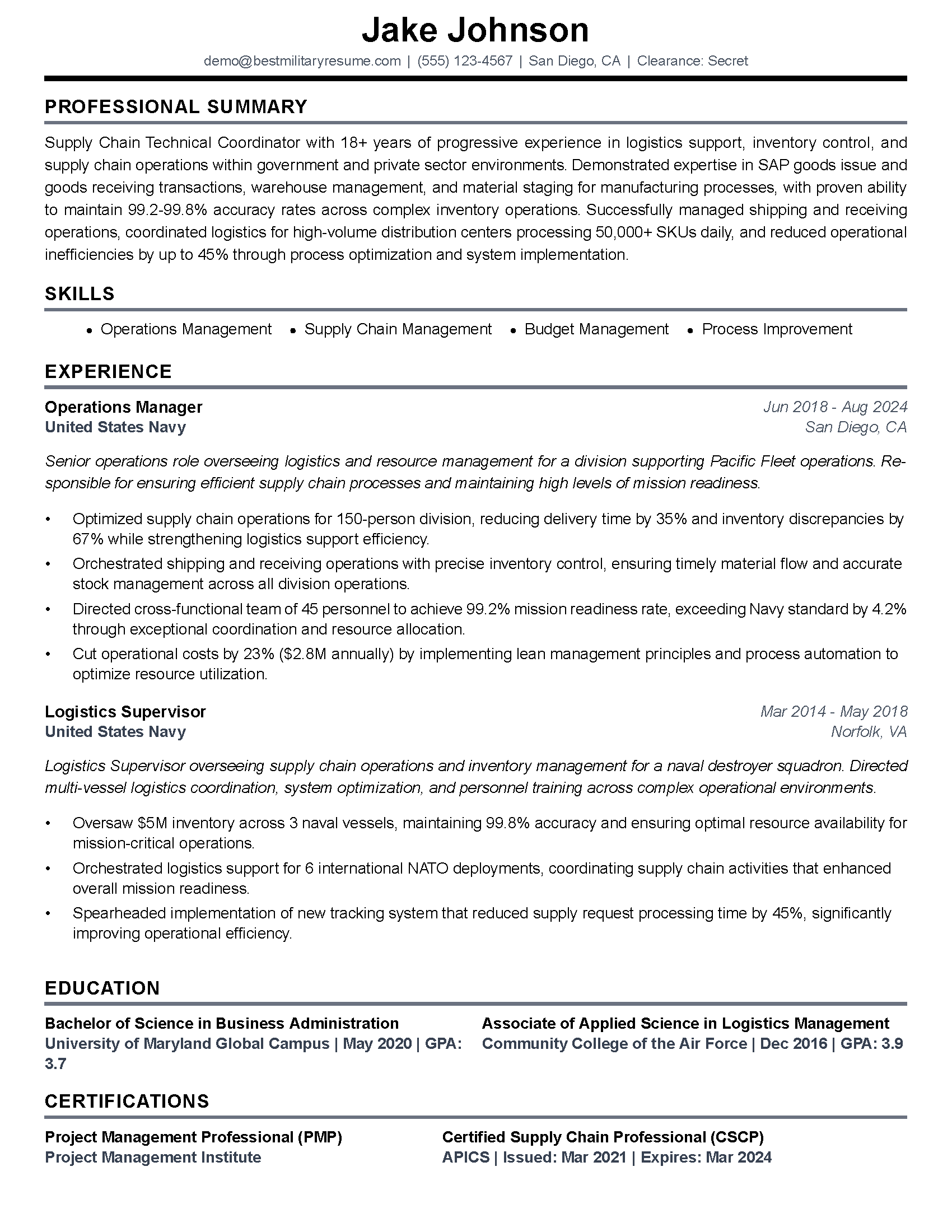
Last, check that your resume tells the same story. If you say the Guard taught you to plan, your resume should show it. The guide on putting the National Guard on a civilian resume covers placement. BMR's Resume Builder translates your Guard or Reserve duties into civilian terms. It's free to start, and you can build the resume and practice the interview in one place.
Frequently Asked Questions
Is it OK to say I joined the Guard for college money?
How long should my answer to why I joined be?
Should I talk about deployments when they ask why I joined?
What if I joined mostly because my family pushed me?
Does the answer change for the Air National Guard or the Navy Reserve?
What if I plan to leave the Guard or Reserve soon?
About the Author
Brad Tachi is the CEO and founder of Best Military Resume and a 2025 Military Friendly Vetrepreneur of the Year award recipient for overseas excellence. A former U.S. Navy Diver with over 20 years of combined military, private sector, and federal government experience, Brad brings unparalleled expertise to help veterans and military service members successfully transition to rewarding civilian careers. Having personally navigated the military-to-civilian transition, Brad deeply understands the challenges veterans face and specializes in translating military experience into compelling resumes that capture the attention of civilian employers. Through Best Military Resume, Brad has helped thousands of service members land their dream jobs by providing expert resume writing, career coaching, and job search strategies tailored specifically for the veteran community.
