Does SkillBridge Pay? Salary, Stipend, and BAH Explained
Justin was hired during terminal leave. "The best resume I have ever seen."
Justin, E-7, Air Force, network engineering, named his number and got it
Every week I run resume and job-search training for SkillBridge cohorts. I work directly with two of the largest SkillBridge providers in the country. After enough briefs, you learn what gets asked in the first ten minutes.
"Does SkillBridge pay?" is in the top three. Every cohort. Every time.
Most people show up half-sure the answer is yes. They have heard "internship" and assumed there is a paycheck. Or they have heard "free" and assumed they take a pay cut. Neither one is right.
This article covers four things. How SkillBridge pay actually works. What the host company can and cannot cover. What a "stipend" really means. And what kind of salary you can expect AFTER the program ends.
The short version: you keep your full military pay. The host company is not allowed to pay you for the internship work itself. The real "pay" comes later, when the host turns the internship into a job offer.
Does SkillBridge Pay? The Short Answer
Yes. SkillBridge pays. Your military pay.
During SkillBridge you stay on active duty. Your LES does not change. Base pay continues. BAH continues. BAS continues. TRICARE keeps working for you and your family. You still earn leave. You still accrue time toward retirement.
The host company you intern with does not write you a check. That is by design. Doing the math from your seat: nothing about your pay changes for the 6 months you are on internship. Whatever you make on active duty today is what you make during SkillBridge.
Key Takeaway
During SkillBridge you remain an active-duty service member. Your military pay, BAH, BAS, and benefits continue exactly as before. The host company is not allowed to pay you for the internship work.
That is the short answer. The rest of this article unpacks why. What the host CAN cover. And what happens to your wallet when the internship ends and the job offer lands.
How Does SkillBridge Pay Actually Work?
SkillBridge is a Department of Defense program governed by DoD Instruction 1322.29. The program lets you spend the final months of your military service interning at a civilian employer. The DoD cap is 180 days. The Air Force and Space Force shortened this in March 2026. Junior officers and E-5 and below can get up to 120 days. Mid-grade ranks get 90. Senior NCOs and O-5s get 60. O-6s need a special exception. Army, Navy, and Marines still get the full 180. See our deep dive on SkillBridge for officers (O-3 to O-5) if you wear oak leaves. You can read the official details at skillbridge.mil.
The pay mechanic is simple. You are still active-duty. Active-duty members are paid by the military, not by a third party. So your normal LES keeps printing.
Pull a current LES and a SkillBridge-month LES side by side. They should look the same.
- Base pay: No change. Same rate as your rank and time in service.
- BAH: No change. Same zip code, same dependent status, same amount.
- BAS: No change. Same monthly food allowance.
- Special pays: Most special pays continue if you still meet the eligibility. Some may stop because you stop performing the duty. Hazardous duty pay and sea pay are common examples. Confirm with your command before you start.
- TRICARE: Active-duty coverage stays in place for you and your family.
- Leave: You still earn 2.5 days a month.
- Retirement points: You still accrue time toward your active-duty retirement clock.
The host company is on the hook for none of this. The military pays you because you are still in. The host gets your time and labor without paying for it. That is the trade the DoD designed.
For the full eligibility and approval picture, the SkillBridge requirements guide covers who qualifies and how command sign-off works.

Why Can't the SkillBridge Host Company Pay You?
This is where the rules get strict. The host company is prohibited from paying you a wage, salary, or stipend for the internship work.
The reason is federal pay law, not corporate stinginess. As an active-duty service member you are paid by the federal government. You cannot also draw a private-sector wage for work performed during the same period of active service. Doing so would create a dual-compensation problem. So the policy is clean: the host gets your time for free, and you keep your military paycheck.
From the company side, this looks like a six-month tryout. They invest training and mentorship in you for zero salary cost. From your side, this looks like six months of civilian career exposure on the military's dime.
The catch most people miss: a host that treats SkillBridge as a source of free labor usually has terrible conversion numbers. The companies worth interning with see SkillBridge as a hiring pipeline. They train you hard for six months because they want to make you an offer at the end. The ones that just want unpaid labor never extend offers.
Pick your host carefully. Ask about their conversion rate. The good ones know the number and will tell you. The top SkillBridge companies hiring in 2026 piece breaks down which programs actually hire at the end.
What CAN the Host Cover During the Internship?
The host cannot pay you a wage. But the policy does not turn them into a charity that gives you nothing.
Hosts can cover non-cash items that help you do the work. Most do. Here is what is legal and common:
- •Relocation to the internship site if you have to move
- •Laptop, monitor, software licenses, work phone
- •Professional certifications and training courses
- •Travel for business trips and conferences
- •Meals, parking, transit passes during work
- •On-site perks like gym access or coffee
- •Hourly wage or salary for the internship
- •A stipend tied to internship work hours
- •A completion bonus for finishing the program
- •A signing bonus that vests during the internship
- •Equity grants that vest before separation
- •Any payment that looks like a second federal wage
Relocation is the big one. If the internship is across the country, ask the host if they cover the move. Many do. Some pay for the full relocation. Some give a flat lump sum. A few do nothing. The answer matters because you are doing this on military pay alone for six months. A $5,000 unreimbursed move out of your own pocket hurts.
Equipment is the next one. A solid host gives you the laptop and software on day one. If you have to bring your own, that is a sign the host has not built out the program.
Certifications are gold. Certs like CompTIA Security+, PMP, or AWS are real money in your pocket. The host pays the fee. You earn the credential on military pay. It pays for itself many times over.
What Is a "SkillBridge Stipend"? The Fellowship Confusion
You will see the word "stipend" used a lot in SkillBridge conversations. It causes confusion because two different programs share airspace.
SkillBridge itself is not a stipend program. There is no cash from DoD on top of your military pay. There is no cash from the host.
But some fellowship programs that ARE SkillBridge-eligible operate differently. The biggest one is the Hiring Our Heroes Corporate Fellowship Program, or HoH CFP. It is run by the U.S. Chamber of Commerce Foundation. You can read the program details at hiringourheroes.org.
HoH CFP runs cohorts at host companies across the country. The program is separately funded. Some cohorts have included a small fellowship grant or program-funded stipend in the past. Numbers and structure vary by cohort. The key point: if any cash flows in a CFP cohort, it flows through the program. Not as wages from the host. Your military pay during HoH CFP is still your military pay.
Same rule for any other fellowship program. Ask up front whether there is any cash component. Ask who pays it. Ask how it interacts with active-duty pay. Get the answer in writing before you commit.
The cohort I work with brings up this confusion almost every week. Someone read "fellowship" and assumed money. Then they read "SkillBridge" and assumed money. Then they showed up expecting a paycheck. The clean way to think about it: the only paycheck you can count on is your LES.
What Will You Earn AFTER SkillBridge? The Real Money
The real financial payoff from SkillBridge is not the internship. It is the job offer that follows it.
Good SkillBridge hosts make a full-time offer between weeks 16 and 22 of a 24-week program. The offer is for a regular salaried role at the company. That salary IS taxable W-2 income, paid in dollars, just like any other private-sector job.
Salaries vary wildly by role, industry, and location. The Bureau of Labor Statistics tracks national median wages for common SkillBridge-to-FT roles. Here are the 2024 numbers:
Common Post-SkillBridge Role Benchmarks (BLS 2024 median)
Project Manager
National median $100,750 (BLS 2024). Veteran-heavy industries (defense, energy) often pay higher.
Cybersecurity Analyst
National median $124,910 (BLS 2024). Cleared roles often add $15,000+ to base.
Supply Chain or Logistics Analyst
National median $80,880 (BLS 2024). Senior roles cross into six figures.
Operations Manager
National median $102,950 (BLS 2024). Plant or facility roles trend higher.
Field Service or Technical Specialist
National median around $66,000. Strong overtime and bonus structures.
Numbers above are national medians from the Bureau of Labor Statistics. They are starting points, not targets. Cleared work pays more. Tech hubs pay more. Senior NCO experience or officer experience can push offers well above the median.
The mistake I see most often: people accept the first number the host throws out. They think because the company "saved" money on six months of free labor, they should be grateful for any offer. Wrong. The offer should be benchmarked against the market, not against the fact that you interned there. The SkillBridge job offer negotiation guide walks through exactly how to negotiate the conversion offer.
How Are Taxes Handled During and After SkillBridge?
Two different tax pictures. Worth knowing the difference before you sign anything.
During the internship: Your military pay is taxed exactly as before. Same federal income tax withholding. Same state income tax based on your state of legal residence. Same FICA. Same TSP contributions if you have them set up. Nothing on your tax return looks different.
Reimbursements from the host work differently. The IRS calls it an "accountable plan." If the host covers relocation, travel, meals, or equipment under that plan, those reimbursements are generally not taxable. The host's HR or finance team handles the paperwork. You usually do not get a 1099 or W-2 from the host for these.
After the internship, on the offer: Once you separate and start the W-2 job, you transition from military pay to private-sector pay. The new paycheck is taxed as ordinary W-2 income. You lose the tax-free portions of military pay, like BAH and BAS. You may gain access to a 401(k) match, which is real money. Your effective tax rate often goes up, even if your gross pay goes up more.
Run the numbers on the offer in net dollars, not gross dollars. A $120,000 W-2 offer is not "double" a $60,000 military base pay. The $60,000 was sitting next to tax-free BAH and BAS. Real comparison: total compensation against total compensation, after tax.
Watch the BAH cliff
When you separate, BAH stops. If you do not bake that into your new salary expectation, you can take a "raise" on paper and lose money in real life. Always compare offers including the loss of military housing and food allowances.
What Common Mistakes Do Service Members Make Around SkillBridge Pay?
Same questions come up every cohort. Same mistakes too. Here are the ones I flag every week.
Asking for a signing bonus that pays out during the internship
Some people negotiate a signing bonus that lands during the internship months. The host's HR will push back. Command will not approve it. The bonus has to land after separation, on the W-2. Negotiate it. Just structure it correctly.
Accepting equity grants that vest before separation
Stock grants with vesting schedules that hit while you are still on active duty are a gray area. Some commands have approved it. Many have not. Do not assume. Ask command before signing. The clean answer is to push vest dates to after your separation date.
Taking a side gig during the internship
You are still on active duty. Outside employment rules still apply. The standard SkillBridge agreement is not a free pass to side hustle. Driving Uber, freelancing, or running a side business still falls under outside-employment rules. Some commands allow it with written approval. You have to ask first. Surprise side income on an LES audit is not the way you want to end your career.
Confusing "free" with "no cost"
SkillBridge is free in one sense. You do not pay tuition or a program fee. But you are spending six months of your military career on it. Your military pay during those months was going to be earned anyway. So the opportunity cost is mostly the time itself. In almost every case I have seen, that math comes out in your favor. You traded six months of normal duty for a civilian career launchpad.
Skipping the interview prep
People sometimes treat SkillBridge like a guaranteed placement. It is not. You still interview at host companies. They still pick. If you walk in unprepared, you do not get accepted. The SkillBridge interview tips guide and the SkillBridge resume writing guide are the two pieces I send every cohort.
What About Reserve and Guard Members?
Reserve and Guard members can use SkillBridge while on a Title 10 mobilization. The pay rules are the same: you keep the active-duty pay you are drawing during mobilization. The host still cannot pay you.
Drill credit, retirement points, and reserve-specific benefits are handled by your Reserve or Guard component, not the host. Talk to your career counselor before you start. There are nuances around when SkillBridge counts as active duty for retirement-point purposes versus when it does not.
Weighing SkillBridge against other programs like CSP? The SkillBridge vs CSP vs apprenticeships comparison lays out which makes sense for your situation.
Bottom Line: What to Do Next
SkillBridge does pay. The pay just comes from the military, not from the host. Plan your finances around your current LES, not around a phantom internship paycheck. The real financial event is the salaried offer at the end.
Here is the checklist I give every cohort I brief:
1 Confirm your LES will not change
2 Ask the host what they cover
3 Ask the host about conversion rate
4 Benchmark the post-internship offer
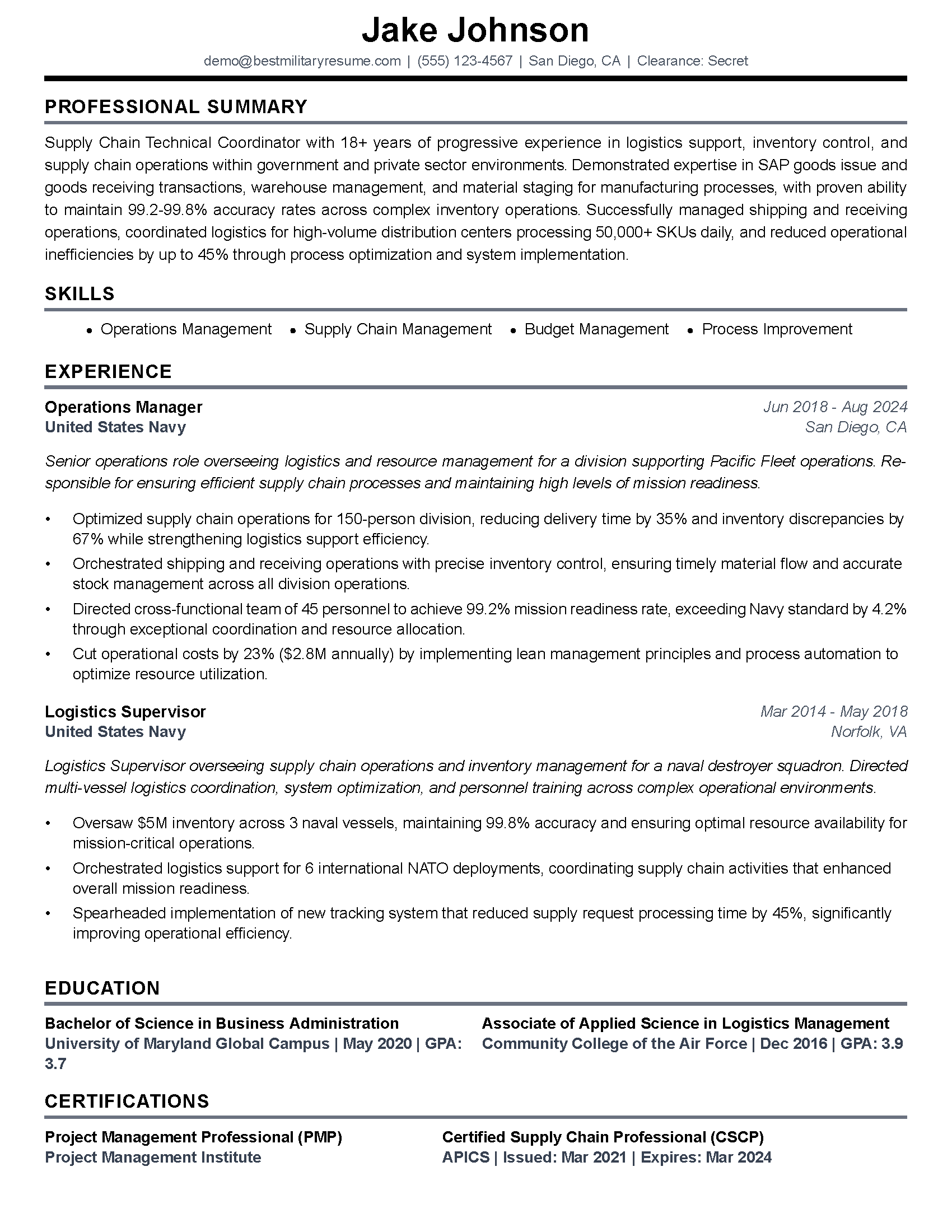
5 Get your resume right before you apply
If you are still in the eligibility-and-timing phase, start with the SkillBridge eligibility timing guide. If you are at the application stage, the SkillBridge final approval authority guide walks through who has to sign off and how to get a yes. And if your command has changed something recently, the 2026 SkillBridge changes piece covers the latest rules.
Pay during SkillBridge is the easy part. Picking the right host, nailing the interview, and converting the internship into the right offer are the parts where most cohorts win or lose. The good news: you have a six-month head start on every other applicant fighting for the same job. Use it.
Frequently Asked Questions
Does SkillBridge pay you?
Do you get BAH during SkillBridge?
Can the SkillBridge host company pay me?
What is a SkillBridge stipend?
How much do you make after SkillBridge?
Does SkillBridge count toward retirement?
About the Author
Brad Tachi is the CEO and founder of Best Military Resume and a 2025 Military Friendly Vetrepreneur of the Year award recipient for overseas excellence. A former U.S. Navy Diver with over 20 years of combined military, private sector, and federal government experience, Brad brings unparalleled expertise to help veterans and military service members successfully transition to rewarding civilian careers. Having personally navigated the military-to-civilian transition, Brad deeply understands the challenges veterans face and specializes in translating military experience into compelling resumes that capture the attention of civilian employers. Through Best Military Resume, Brad has helped thousands of service members land their dream jobs by providing expert resume writing, career coaching, and job search strategies tailored specifically for the veteran community.
