SkillBridge 2026: Land a Civilian Job Before You Separate
 Brad Tachi9 min read
Justin was hired during terminal leave. "The best resume I have ever seen."
Justin, E-7, Air Force, network engineering, named his number and got it
What Is SkillBridge and Why Does It Matter?
The SkillBridge program allows active duty service members to participate in civilian workforce training, employment skills training, and apprenticeships during their last 180 days of military service — while still receiving full military pay and benefits. Most services now cap how many of those days you get by rank. You're essentially interning with a civilian company on the government's dime, gaining real-world experience and building relationships that can lead to a job offer before you even take off the uniform.
That's not a small thing. Most veterans separate, then start their job search, then compete against candidates who already have civilian experience. SkillBridge flips that timeline. You enter the civilian workforce with experience, contacts, and potentially a job offer already in hand. For companies, it's equally attractive — they get to evaluate you for months at zero cost before making a hiring decision.
Since the program expanded significantly in 2020, thousands of companies have signed on as SkillBridge partners, ranging from Fortune 500 corporations to small businesses, defense contractors to tech startups. The opportunities span every industry and career field imaginable, including many that have nothing to do with your military specialty.
The conversion rate from SkillBridge to full-time employment varies by company. The format helps because both sides get an extended trial period. The company sees your work ethic, skills, and cultural fit over months rather than minutes. You get to evaluate whether the company, the role, and the work environment are genuinely what you want — without the pressure of having already accepted a job offer based on a few interviews. It's the closest thing to a guaranteed soft landing that the military transition process offers.
Eligibility Requirements
SkillBridge eligibility is straightforward, but the details matter — especially when it comes to command approval.
Service requirement: You must have completed at least 180 continuous days on active duty. You must also expect to separate or retire within 180 days of your start date. That 180-day window is the outer limit, not your time cap. Most services now cap your days by rank. Caps run from 60 to 180 days, depending on your service and grade. In the Navy, only E-5 and below get the full 180 days. The Coast Guard has no rank cap. In the Navy and Marine Corps, terminal leave and permissive duty days count against your cap.
Separation status: You must be separating or retiring from active duty. You need to have an approved separation or retirement date. SkillBridge is not available for service members who are extending or reenlisting.
Good standing: You must be in good standing with your command. This typically means no pending UCMJ actions, a passing fitness assessment, and completion of required transition activities (TAP/SFL-TAP). Commands have discretion here, and what constitutes "good standing" can vary.
Command approval: This is the big one. Your participation needs a commander's approval, and your service decides which one. Department of War policy sets the minimum: the first field grade commander with Article 15 authority. Your service can require someone more senior. In the Army, higher ranks need an O-6 or a general officer. SkillBridge is not an entitlement — it's a program that requires command authorization. Your commander has to balance your career development against unit mission requirements, and they can deny participation if they determine your presence is operationally necessary.
Important Note
Start the conversation with your command early — ideally 12 months before your separation date. Commanders are more likely to approve SkillBridge when they have time to plan for your absence. Dropping a SkillBridge request on your commander 30 days before you want to start creates a coverage problem and dramatically increases the chance of denial. Planning ahead shows professionalism and respect for the unit's mission.
How to Find SkillBridge Opportunities
The official SkillBridge website (skillbridge.mil) maintains a searchable database of approved programs. But that's just the starting point. Here's how to find the best opportunities for your specific goals.
The Official Database
The SkillBridge database lets you search by location, industry, and company name. Every program listed has been vetted and approved by the Department of War. This is the safest starting point because any program in the database has already met the administrative requirements, which simplifies the approval process with your command.
However, the database isn't always complete or current. Some companies participate in SkillBridge but haven't listed their program in the official database yet. Others may have programs that are functionally closed but still appear listed. Always contact the company directly to confirm availability and current program details.
Companies That Aren't in the Database
If you've identified a company you want to intern with that isn't in the SkillBridge database, that doesn't necessarily mean it's off-limits. Companies can apply to become SkillBridge partners, and some are willing to do so if a motivated service member approaches them with the idea. The company must sign a memorandum of understanding (MOU) with the Department of War. It must also have been in business for at least three years to host. New partners can only apply in two windows each year. The fall window runs October 1 to December 1. The spring window runs February 1 to April 1. Start this conversation early so the company does not miss a window.
Types of SkillBridge Programs
Direct company internships: You work directly with a specific company in a role related to your target career. This is the most common format and the one most likely to convert to a full-time job offer. Companies like Amazon, Microsoft, Salesforce, Lockheed Martin, and thousands of others offer direct SkillBridge internships.
Training programs: Some SkillBridge programs focus on training and certification rather than direct employment. Coding bootcamps, project management certification programs, cybersecurity training, and trade skill programs are available. These are valuable if you're changing career fields and need specific credentials.
Apprenticeships: Registered apprenticeship programs that combine on-the-job training with classroom instruction. These are common in trades like HVAC, electrical work, plumbing, and advanced manufacturing.
Remote programs: An increasing number of SkillBridge programs offer remote participation, which is particularly valuable for service members stationed far from major job markets. Remote programs include tech companies, consulting firms, and organizations that operate primarily in digital environments.
The Application and Approval Process
Getting approved for SkillBridge involves multiple steps and stakeholders. Here's the typical sequence from start to finish.
Step 1: Research and Select a Program (12+ Months Out)
Start researching programs well before your separation date. Identify 3-5 programs that align with your career goals and location preferences. Contact each program to understand their application process, timelines, and what they're looking for in candidates. Some programs have competitive application processes and may not accept everyone who applies.
Step 2: Talk to Your Chain of Command (9-12 Months Out)
Have an initial conversation with your immediate supervisor and commanding officer about your interest in SkillBridge. This isn't a formal request yet — it's a heads-up that lets your command start planning for your transition. Gauge their receptiveness and ask about any unit-specific requirements or timelines for approval.
Step 3: Complete TAP/SFL-TAP Requirements
Most services require completion of transition assistance program activities before or concurrent with SkillBridge participation. Some installations require specific counseling sessions or workshops. Get these completed early so they don't become a bottleneck in your SkillBridge approval.
Step 4: Apply to Your Selected Program (6-9 Months Out)
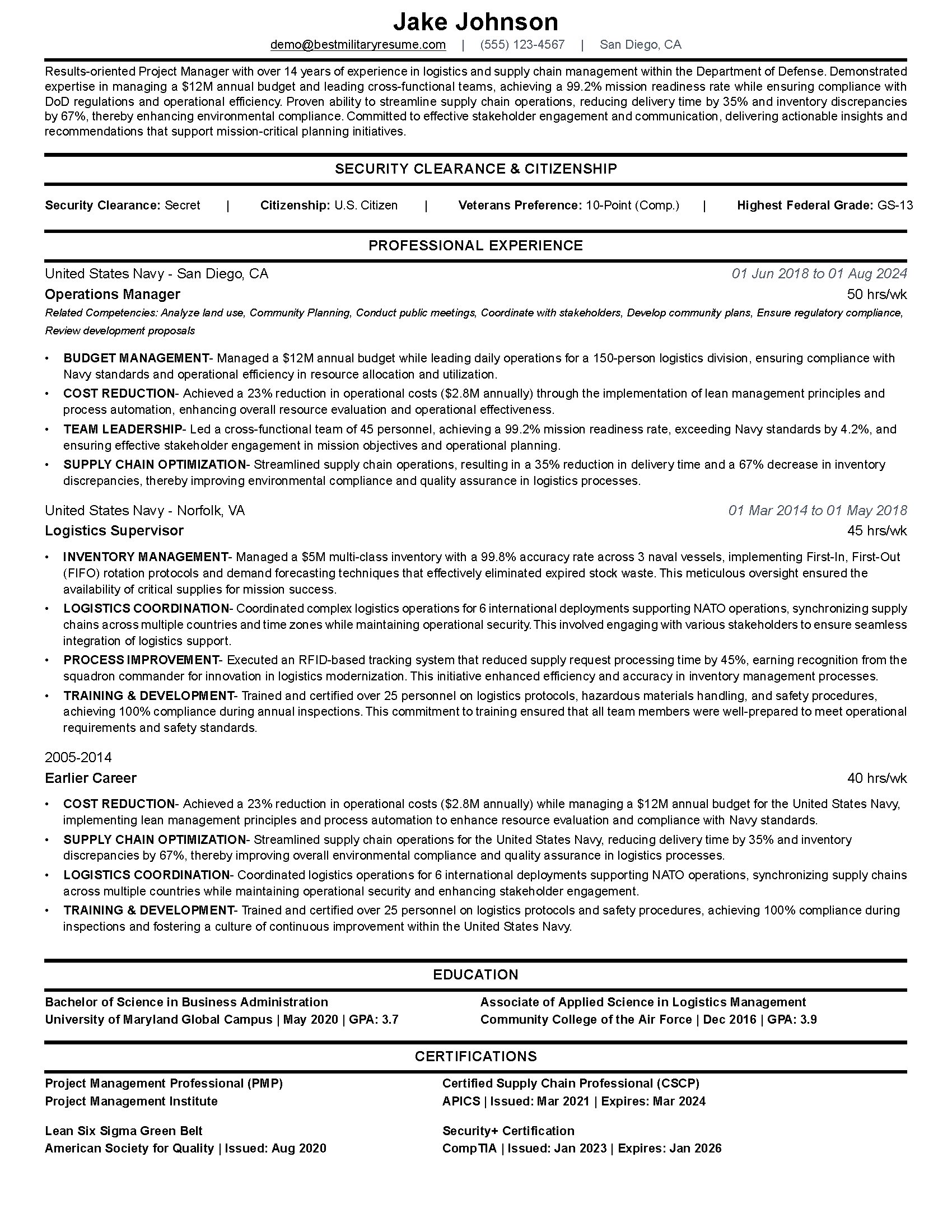
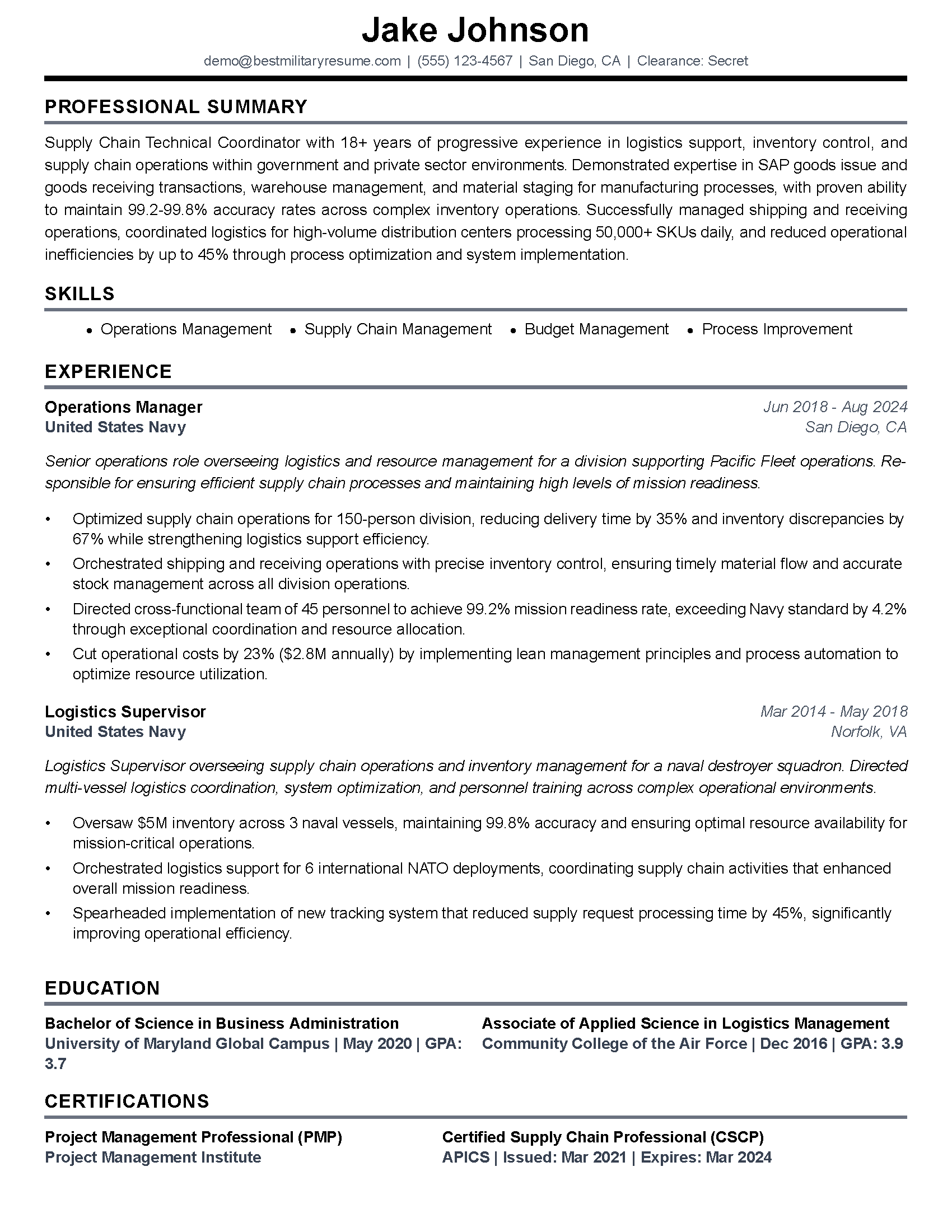
Submit your application to the SkillBridge program. This typically involves a resume, sometimes an interview, and potentially skills assessments depending on the company. Treat this like a real job application — because it essentially is one. Building a strong civilian resume is critical at this stage.
Step 5: Submit Your Command Approval Request (4-6 Months Out)
Once you've been accepted by a SkillBridge program, submit a formal request to your command for approval. This request typically includes the program details, dates, location, and how it aligns with your post-service career goals. Include documentation from the SkillBridge provider confirming your acceptance.
Each service branch has its own approval process. The approving commander often gets more senior as your rank goes up. In the Army, that runs from a field grade commander up to a general officer. Air Force members apply through the Air Force Virtual Education Center. Check your service-specific guidance for the exact requirements.
Step 6: Start Your SkillBridge (180 Days or Less Before Separation)
Once approved, you report to your SkillBridge assignment while remaining on active duty. You continue to receive military pay and benefits, including housing allowance (normally still based on your permanent duty station), healthcare, and leave accrual. Your service and rank set how many days you get. In the Navy and Marine Corps, terminal leave and permissive duty days also count against those days.
Brad's Take
The veterans I talk to who had the best SkillBridge experiences all did the same thing: they treated it like a months-long job interview, not a vacation from the military. They showed up early, volunteered for extra projects, networked across the company, and made themselves indispensable. The ones who phoned it in got a nice line on their resume. The ones who went all-in got job offers. Big difference.
Maximizing Your SkillBridge for a Job Offer
Getting into a SkillBridge program is the first win. Converting it into a full-time job offer is the bigger goal. Here's how to set yourself up for conversion.
Clarify expectations on day one. Ask your supervisor what success looks like. What projects will you own? What skills do they expect you to develop? What would make them want to offer you a full-time position? Getting explicit expectations eliminates guesswork and lets you focus your energy on what matters most to the company.
Deliver results early. Don't spend your first month "getting oriented." Find a way to contribute something tangible in your first two weeks. It doesn't have to be monumental — completing a task that's been sitting in someone's backlog, organizing a process that's been disorganized, or producing a deliverable that demonstrates your capability. Early wins build credibility and momentum.
Build relationships beyond your immediate team. Your supervisor will decide whether to offer you a position, but their decision is influenced by what others in the company think of you. Introduce yourself to people across departments, attend company events, join employee resource groups (especially veteran ERGs), and make yourself known. The wider your network within the company, the more advocates you have when hiring decisions are made.
Learn the business, not just the job. Understanding how the company makes money, what challenges they face, and where your role fits in the bigger picture makes you more valuable than someone who only knows their specific tasks. Ask questions, read internal communications, attend all-hands meetings, and understand the industry context. This business awareness differentiates you from other candidates.
Ask about the conversion process explicitly. Don't wait until your final weeks to ask "so, is there a job at the end of this?" Understand the company's conversion process from the beginning. Some companies have a formal review at the midpoint. Others make decisions in the final month. Some have budget approval processes that take weeks. Knowing the timeline lets you plan accordingly and removes uncertainty.
Have a backup plan. Even the best SkillBridge experiences don't always convert to offers — budget freezes, hiring pauses, or organizational changes can derail even a sure thing. While giving 100% to your SkillBridge, maintain your broader job search in the background. Keep your resume updated, stay active on LinkedIn, and don't put all your eggs in one basket. If the offer comes through, wonderful. If it doesn't, you're not starting from zero.
Network outside your host company too. Attend industry events, join professional associations, and connect with other SkillBridge participants. The SkillBridge alumni network is growing rapidly, and many former participants are now in hiring positions at their companies. They understand the value of military experience because they lived it, and they're often the strongest advocates for hiring more veterans.
Document your accomplishments. Keep a running log of projects completed, skills learned, problems solved, and positive feedback received. This serves double duty: it helps you update your resume if the SkillBridge doesn't convert to a direct offer, and it gives your supervisor concrete evidence to justify a job offer to their leadership.
Key Takeaway
SkillBridge is one of the most valuable transition benefits available, but it requires planning 12 months in advance, command approval, and a strategic approach to converting it into a job offer. Start early, communicate with your chain of command, and treat the experience like a months-long job interview. Use BMR's career translation guides to identify which civilian career paths align with your military experience and target your SkillBridge search accordingly.
For resume tips, see our military resume writing guide. Learn about the full ETS separation timeline and when to start your job search.
Related: How to write a SkillBridge resume that gets you hired and the complete Army ETS checklist for 2026.
Explore SkillBridge: Find SkillBridge opportunities and build your application with BMR.
Frequently Asked Questions
What is the SkillBridge program?
How long can I participate in SkillBridge?
Do I still get paid during SkillBridge?
Can my command deny my SkillBridge request?
Do SkillBridge programs lead to job offers?
Can I do a remote SkillBridge program?
What if the company I want isn't in the SkillBridge database?
When should I start planning for SkillBridge?
About the Author
Brad Tachi is the CEO and founder of Best Military Resume and a 2025 Military Friendly Vetrepreneur of the Year award recipient for overseas excellence. A former U.S. Navy Diver with over 20 years of combined military, private sector, and federal government experience, Brad brings unparalleled expertise to help veterans and military service members successfully transition to rewarding civilian careers. Having personally navigated the military-to-civilian transition, Brad deeply understands the challenges veterans face and specializes in translating military experience into compelling resumes that capture the attention of civilian employers. Through Best Military Resume, Brad has helped thousands of service members land their dream jobs by providing expert resume writing, career coaching, and job search strategies tailored specifically for the veteran community.
