Loading...
Loading...
The civilian and federal jobs that hire Air Force Aircraft Structural Maintenances — with real salaries and the resume that gets callbacks.
Every 2A7X3 has more options than a Google search will tell you. Below: career paths, BLS salary data, federal GS series, certifications by target career, and how to translate your experience without losing what made you valuable to the Air Force in the first place.
Free · No credit card · Tailored resume in under 5 minutes
After the Navy I got hired into 6 federal career fields and tech sales, and sat on federal hiring panels along the way. I spent the last 2 years rebuilding everything I learned into BMR, tuned for how AI actually screens resumes today. This is the system I wish I'd had on day one.
As a 2A7X3, you keep the airframe itself airworthy. You assess battle damage, corrosion, cracks, and delamination, then fabricate and install the repair: sheet-metal patches formed and bent to contour, structural fasteners drilled and set to spec, bonded honeycomb and advanced composite sections laid up and cured, and low observable coatings restored so the aircraft holds its shape, weight, and signature. The work runs from the flight line to the corrosion control hangar, where you strip, treat, prime, and topcoat aircraft and apply protective coatings using regulated acids, solvents, primers, and paints under strict hazardous-material handling.
The training pipeline starts after Basic Military Training with the Aircraft Structural Maintenance apprentice course at Sheppard AFB, where you learn aircraft construction features, aerospace materials identification, sheet-metal layout and shop math, composite and bonded structure repair, and corrosion identification and prevention. From there you train up through the 5- and 7-skill levels on the specific airframes at your base, whether that is fighters, tankers, cargo, or special-mission aircraft. Aircraft Structural Maintenance is distinct from 2A7X1 Aircraft Metals Technology, which is machining and welding, and from nondestructive inspection. Your specialty is the structure, the bond, the coating, and the corrosion fight.
Civilian employers value this background because it is rare. Composite and bonded-structure repair, contour sheet-metal forming, and protective-coatings work are skilled trades that take years to build, and aerospace, defense, and depot employers compete for people who already have them. The same skills open doors in civilian careers across many industries, from manufacturing to healthcare device fabrication. If you want to see how your Air Force record reads to a civilian or federal hiring panel, our guide to translating EPRs and OPRs walks through it.
I spent years in federal environmental and engineering work after the Navy, and 2A7X3 is one of the cleaner crossovers I have seen. Structural repair, composite layup, corrosion control, and coatings map almost directly onto federal aircraft structural-repair, engineering-technician, and depot jobs at places like the FAA, DLA, and the air logistics complexes. The skill is the thing employers are short on. The resume just has to say it in their language. — Brad Tachi, Navy Diver veteran & BMR founder
The number that matters when you're deciding what's next: how does civilian pay compare to what you make now?
Military comp is approximate (varies by location/dependents). Civilian is BLS median. Federal includes locality pay. Your real number depends on duty station, family status, GS step, and overtime.
The most direct civilian match for a 2A7X3 is aircraft maintenance. Aircraft mechanics and service technicians earned a median of $78,680 per year as of BLS OEWS May 2024, and the field is projected to grow faster than the average for all occupations as the commercial fleet ages and airlines compete for skilled labor. Major airlines, regional carriers, and MRO (maintenance, repair, and overhaul) facilities all hire airframe specialists, though an FAA Airframe and Powerplant (A&P) certificate is the gate for most line jobs.
If you want to stay closer to fabrication and assembly, aircraft structure, surfaces, rigging, and systems assemblers earned a median of roughly $61,680 per year (BLS OEWS May 2024). These roles cluster around aircraft manufacturers and are geographically concentrated in Washington, Kansas, Texas, and the Southeast. Sheet metal workers, a broader trade, earned a median of $60,850 (BLS OEWS May 2024) across construction and manufacturing, and your contour-forming and fastener experience transfers cleanly.
On the coatings side, painting and coating workers earned a median of $40,860 and coating, painting, and spraying machine setters earned $47,590 (both BLS OEWS May 2024). These pay less than airframe work but are a fast on-ramp if you want to lead toward an industrial coatings inspection career, which pays more. Be honest with yourself about geography: aerospace manufacturing and MRO work is concentrated, so the highest-paying airframe jobs may require relocating to an aviation hub.
Your skills also reach well beyond aviation. If you are open to a full industry change, the career change section below maps composite and coatings work into healthcare device fabrication, marine composites, and structural inspection. For the resume itself, the build your resume now tool turns these jobs into bullets a civilian recruiter reads in seconds. Veterans from other branches share these paths too, including the Navy Aviation Structural Mechanic rating.
| Civilian Job Title | Industry | BLS Median Salary | Outlook | Match |
|---|---|---|---|---|
Aircraft Mechanic and Service Technician O*NET: 49-3011.00 | Aviation Maintenance | $78,680 | Faster than average | strong |
Aircraft Structure, Surfaces, Rigging, and Systems Assembler O*NET: 51-2011.00 | Aerospace Manufacturing | $61,680 | Little or no change | strong |
Sheet Metal Worker O*NET: 47-2211.00 | Manufacturing & Construction | $60,850 | Faster than average | strong |
Coating, Painting, and Spraying Machine Setter and Operator O*NET: 51-9124.00 | Manufacturing | $47,590 | Little or no change | moderate |
Painting and Coating Worker O*NET: 51-2031.00 | Manufacturing | $40,860 | Decline | moderate |
Inspector, Tester, Sorter, Sampler, and Weigher (Quality Control) O*NET: 51-9061.00 | Manufacturing | $47,460 | Decline | moderate |
Structural Metal Fabricator and Fitter O*NET: 51-2041.00 | Manufacturing | $53,000 | Little or no change | moderate |
BMR rewrites your 2A7X3 experience for any of the civilian roles above — keywords, achievements, and language hiring managers actually scan for.
Free · No credit card · 2 tailored resumes included
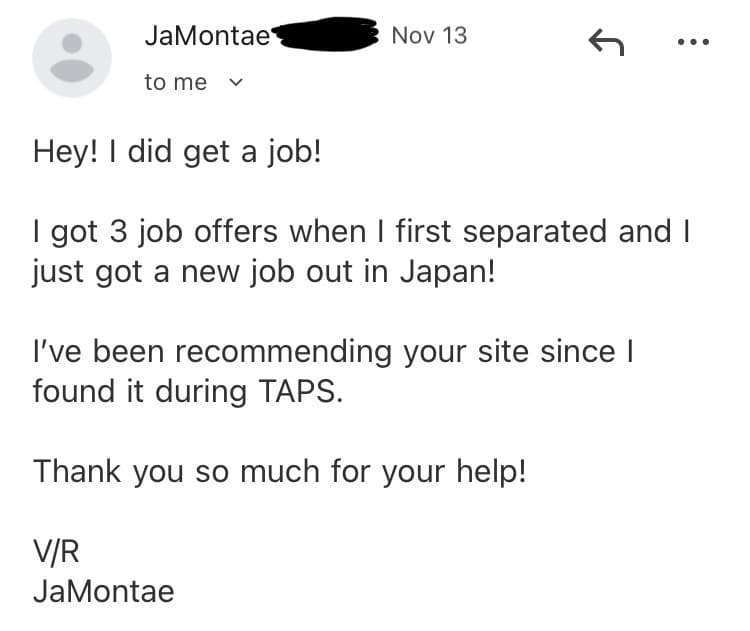
“Hey! I did get a job! I got 3 job offers when I first separated and I just got a new job out in Japan! I’ve been recommending your site since I found it during TAPS. Thank you so much for your help! V/R JaMontae ”
Federal aircraft work is one of the strongest landing spots for a 2A7X3, and the wage-grade and general-schedule systems both have series built for your trade. The closest match is the WG-8852 Aircraft Mechanic series, used across the air logistics complexes at Tinker, Robins, and Hill, plus Navy and Army depots that repair airframes. Your contour sheet-metal work maps to the WG-3806 Sheet Metal Mechanic series, and your corrosion control and coatings experience maps to the WG-4102 Painting series. Depot work also draws on the WG-8255 Pneudraulic Systems Mechanic series for related airframe systems.
On the general-schedule side, the GS-0802 Engineering Technician series is the bridge from hands-on repair into structural-repair engineering support, where you document repairs, interpret drawings, and support sustainment engineering. Quality assurance work falls under GS-1910, inspecting repairs against technical data, and broader equipment and facilities oversight falls under GS-1601 General Facilities and Equipment. If you pursue an engineering degree on the GI Bill, the GS-0830 Mechanical Engineering and GS-0801 General Engineering series open up structural and materials work, and the FAA hires aviation safety inspectors who came up through hands-on maintenance.
Veterans get a real edge here through Veterans Recruitment Appointment and the Veterans Employment Opportunities Act, and many depot wage-grade jobs are advertised through direct-hire authorities that move faster than standard competitive announcements. The federal resume is its own format, longer and more detailed than a civilian one, with specific hours-per-week and accomplishment requirements. Our federal resume builder is built for it, and the 2026 OPM format guide and the specialized experience guide explain how to qualify. When you are ready, start your federal resume.
| GS Series | Federal Job Title | Typical Grades | Match | Explore |
|---|---|---|---|---|
| GS-3806 | Sheet Metal Mechanic | WG-8, WG-10 | View Details → | |
| GS-8852 | Aircraft Mechanic | WG-8, WG-10, WG-11 | View Details → | |
| GS-0802 | Engineering Technician | GS-7, GS-9, GS-11 | View Details → | |
| GS-0830 | Mechanical Engineering | GS-5, GS-7, GS-9 | View Details → | |
| GS-1910 | Quality Assurance | GS-7, GS-9, GS-11 | View Details → | |
| GS-4102 | Painting | WG-7, WG-9 | View Details → |
Federal hiring uses keyword-matching and structured experience. BMR builds federal-format resumes (USAJobs-ready) with the right keywords, hours/week, and supervisor info — for any GS series above.
Free · No credit card · Federal + civilian resume formats included
Not everyone wants to stay in a related field. These career paths leverage your transferable skills — leadership, risk management, logistics, project planning — in completely different industries.
Building braces, prosthetic limbs, and orthotic devices is hands-on composite and structural fabrication work, the same layup, molding, and precision-finishing skills you used repairing aircraft skins and bonded panels, applied to the human body instead of an airframe.
You already know what aluminum, titanium, and composite panels can and cannot do when formed, bonded, and loaded. Industrial designers who understand fabrication firsthand build products that can actually be manufactured, which is exactly the gap most design-school graduates have.
Corrosion control and protective coatings on aircraft is applied chemistry. You already mix catalyzed primers and topcoats to exact ratios, prep surfaces, and follow technical data sheets, which is the same discipline a coatings or materials lab runs on.
Inspecting repaired structures for cracks, corrosion, and out-of-tolerance dimensions is metrology work. The precision-measurement and inspection habits you built verifying aircraft repairs transfer directly to calibrating and certifying test equipment in a metrology lab.
Running a structural repair line means sequencing work, tracking defects, and tightening the process so the next job moves faster. That is the core of industrial engineering technician work, applied to a factory floor instead of a hangar.
You spent your service deciding whether a repaired structure was airworthy. Building inspection is the same judgment call, inspecting framing, welds, and structural elements against code instead of a tech order. The market is flat, so target growing regions or specialty inspection niches.
The skills that made you a good Marine, Sailor, Airman, or Soldier transfer further than you think. BMR rewrites your bullets for any of the pivot careers above — without making you sound like you've never done the work.
Free · No credit card · Try unlimited career angles
If you are staying in aircraft maintenance, your terminology already translates. MRO recruiters and depot hiring managers know what corrosion control, composite layup, and structural fastener work mean. This section is for veterans targeting careers outside aircraft structural maintenance, where a hiring manager has never heard your job titles and needs the work described in their language.
The pattern that costs callbacks is listing equipment and tech-order numbers instead of outcomes. A civilian manager outside aviation does not know what a honeycomb panel or a low observable coating is, but they understand precision fabrication, quality, and regulated material handling. Reframe the work around the result and the standard you held it to. Our 50 military terms glossary and the military resume builder handle the translation, but here is the idea:
When you are ready to put this into a finished document, build your resume now and let the tool structure the bullets for the job you are targeting.
BMR turns your 2A7X3 duties and accomplishments into civilian bullets that match the job you're applying for — no manual translation, no rewriting.
Free · No credit card · Tailored to each job posting
Which certifications you need depends on where you're headed. Find your target career path below.
The wrong placement can sink an otherwise strong application. BMR knows where each cert ranks, what to call it, and how to frame it for ATS keyword matching and hiring manager attention.
Free · No credit card · Built around your real certs and clearance
If you are staying in aviation, your priority is the FAA Airframe and Powerplant (A&P) certificate, which is the credential most maintenance employers screen for. Veterans with qualifying military experience can apply for FAA testing authorization based on that experience. SkillBridge is the fastest bridge into a civilian MRO or manufacturer before you separate, and our SkillBridge programs by industry guide lists aviation employers that host. Industry groups like the Aviation Technician Education Council and SAE International are worth following for composite and coatings credentialing. For related cross-branch paths, see the Navy Aviation Structural Mechanic and Army UH-60 Helicopter Repairer pages.
If you are leaving the field, the highest-leverage moves are an industry-recognized inspection or coatings credential (AMPP for protective coatings, ASQ for quality) and, for federal work, a strong USAJOBS profile. American Corporate Partners (ACP) offers free one-on-one veteran mentorship to help you map a new industry. The GI Bill can fund a composites, manufacturing, or healthcare-device program if you are pivoting fully. Explore options with the career crosswalk tool, lock in transition timing through SFL-TAP, and when you are ready to apply, get started here.
Worth reading next: Six Sigma for veterans for the quality path, and the military resume builder to draft your first version. See also the 2A7X1 Aircraft Metals Technology page if your work crossed into machining and welding.
Most veterans do this backwards — they wait until terminal leave to start, then panic. Here's the actual sequence that works.
Print this. Tape it to your monitor. Veterans who treat the transition like a 90-day op get hired faster than the ones who treat it like an emergency.
Stop rewriting from scratch every time you apply. BMR turns your military experience into civilian and federal resumes — tailored to each job.