Scoping and Court Reporting for Military Spouses
Luana, a military spouse, landed a Staff Policy and Procedures Analyst role.
Luana, military spouse, policy and procedures analyst
For a military spouse weighing a legal career, scoping is the editing side of court reporting. NCRA’s page on scopists says “A scopist is a professional transcript editor for court reporters.” It says a scopist “has the ability to compare a court reporter’s shorthand to the finished transcript.”
A climbtheladder.com page on scoping says “Most scopists work from home on a flexible schedule”.
Scoping or court reporting: which job are you training for?
The two jobs share one transcript. The court reporter writes the shorthand. The scopist checks it against the typed pages. NCRA says scoping helps “the court reporter preserve an accurate record.”
| Question | Scoping | Court reporting |
|---|---|---|
| What is the work? | Edit a reporter’s transcript against the shorthand | Write the shorthand record |
| 2025 median pay | No official figure found | $72,420 per year |
| Entry-level education | No official figure found | Postsecondary nondegree award |
| State license | No official source found | Varies by state |
The Bureau of Labor Statistics lists 2025 median pay for court reporters as “$72,420 per year” and typical entry-level education as “Postsecondary nondegree award”. It says employment “is projected to show little or no change from 2025 to 2035.”
Those figures are for court reporters and captioners, not scopists. Court reporting has state rules and federal pay data. Scoping has neither on record. Pick scoping if you want to edit pages, not write the record live.
For nearby fields, see our medical transcription guide and our paralegal programs guide.
What does each path ask of you before the first job?
Scoping
The climbtheladder.com page on becoming a scopist says “There is no state license or mandatory certification required to work as a scopist.” That is that page’s view. It adds that “you do need training” to do the work. No NCRA or federal page we read speaks to scopist licensing.
Court reporting
The Bureau of Labor Statistics says “Many states require court reporters and simultaneous captioners to be licensed or certified by a professional association.” It adds “Licensing requirements vary by state and by method of reporting or captioning.”
NCRA’s state requirements chart lists “Licensing Requirements: Mandatory” and “Required Credentials: RPR” for Arizona, Michigan, Mississippi, Nevada and New Mexico.
NCRA’s certification history says that in 1975 the association “added a written knowledge component to the CP to create the Registered Professional Reporter designation.” It adds “The written portion and all three skills portions had to be passed at once.” NCRA’s certification page says “many states currently accept or use the RPR in the place of the state certification or licensing exam.” It also lists the “Registered Merit Reporter (RMR)” and “Certified Realtime Reporter (CRR)”.
This matters at every move. One state’s rule may not match the next. Once orders land, look for your new state on the NCRA chart. Not every state is on it. Our state license guide shows how spouse license rules work.
Ready to start? Take these steps in order:
- Pick your path: Scoping edits the transcript. Court reporting writes the record.
- Check your state: Going into reporting? Check the NCRA chart for your state before you pick a school.
- Check the funding: Look for your field on the SpouseWorks Scholarship list and read its fact sheet.
- Join NCRA if you scope: Members get a PROLink listing. Nonmembers do not.
- Call a coach: Book a free SpouseWorks coach call before you sign up for a course.
How can a military spouse pay for the training?
We could not confirm whether the SpouseWorks Scholarship’s approved list covers scoping or court reporting programs.
Military OneSource says “The SpouseWorks Scholarship (formerly MyCAA)” “provides up to $4,000 in financial assistance to eligible military spouses” for “a license, certification, or associate's degree necessary to gain employment in an occupation or career field.”
The SpouseWorks Scholarship page lets spouses “Browse a list of career fields that have been approved for scholarship funding.” Find your field on that list before you sign up. The page also has a list of “participating, approved institutions”. Its fact sheet says who is eligible.
Not on the list? Ask a SpouseWorks coach what else might fit. Our spouse employment programs guide lists more programs to check.
Where do scopists and reporters find the work?
NCRA PROLink
NCRA says “If you are a scopist and an NCRA member, you will automatically receive an NCRA PROLink listing (unless you have opted out).” It adds “Nonmembers are not eligible for a listing in NCRA PROLink”. NCRA tells reporters who need a scopist to visit PROLink. So joining NCRA puts your name where they look.
SpouseWorks career coaches
The SpouseWorks career coaching page says “Personalized guidance from career coaches is free for all military spouses.” It names them “career coaches from SpouseWorks (formerly SECO).” A coach can help with your education and career goals at every stage of military life. Our free career coaching guide covers what to ask in the first call.
The Military Spouse Employer Partnership
The Military Spouse Employer Partnership site says it “connects organizations with skilled, educated and adaptable military spouse talent.” It says “Today, the network includes more than 1,000 employer partners”. Its spouse side says “Search for jobs with employer partners”. Try court reporting and legal titles there. We found no page that says its partners hire scopists.
Your resume for the first reporting or scoping job
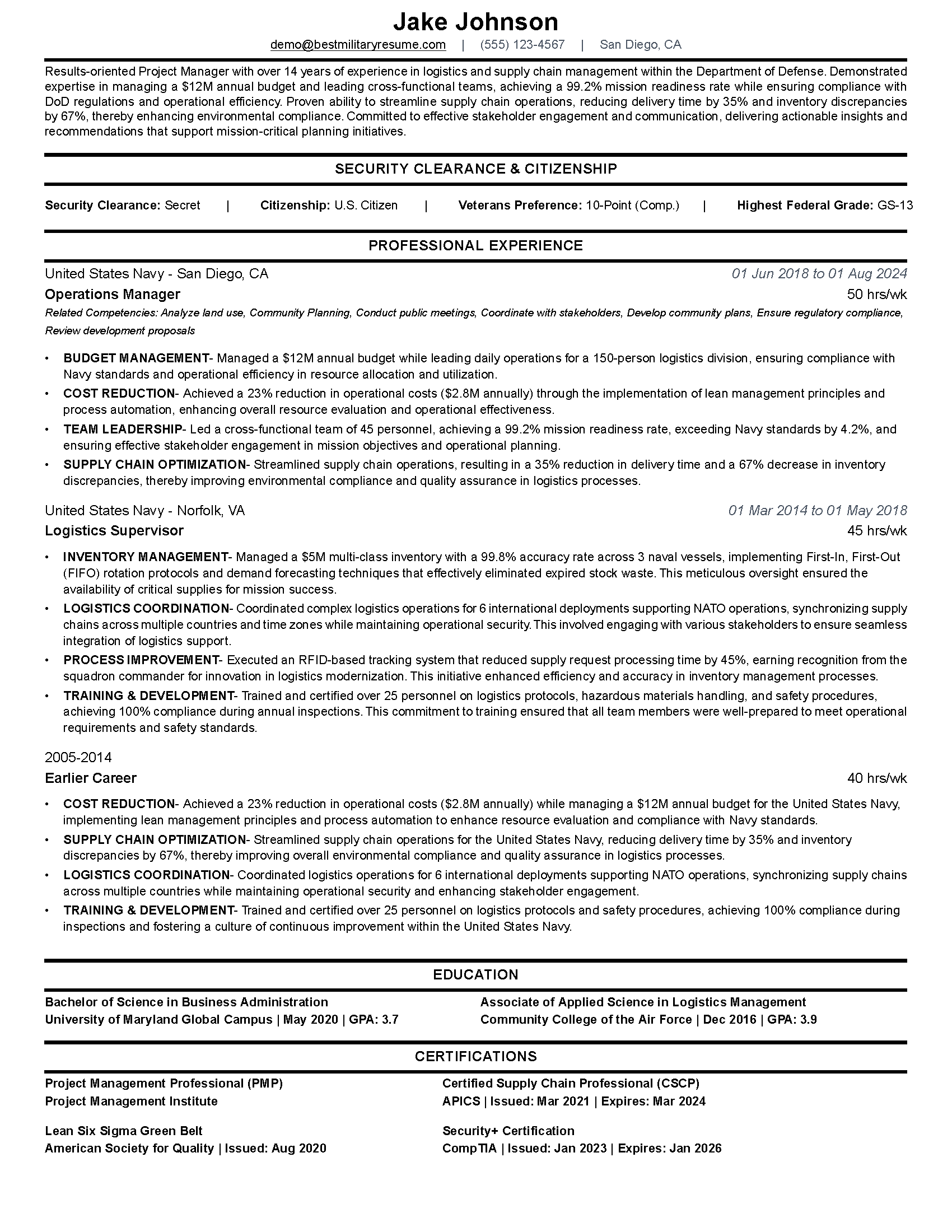
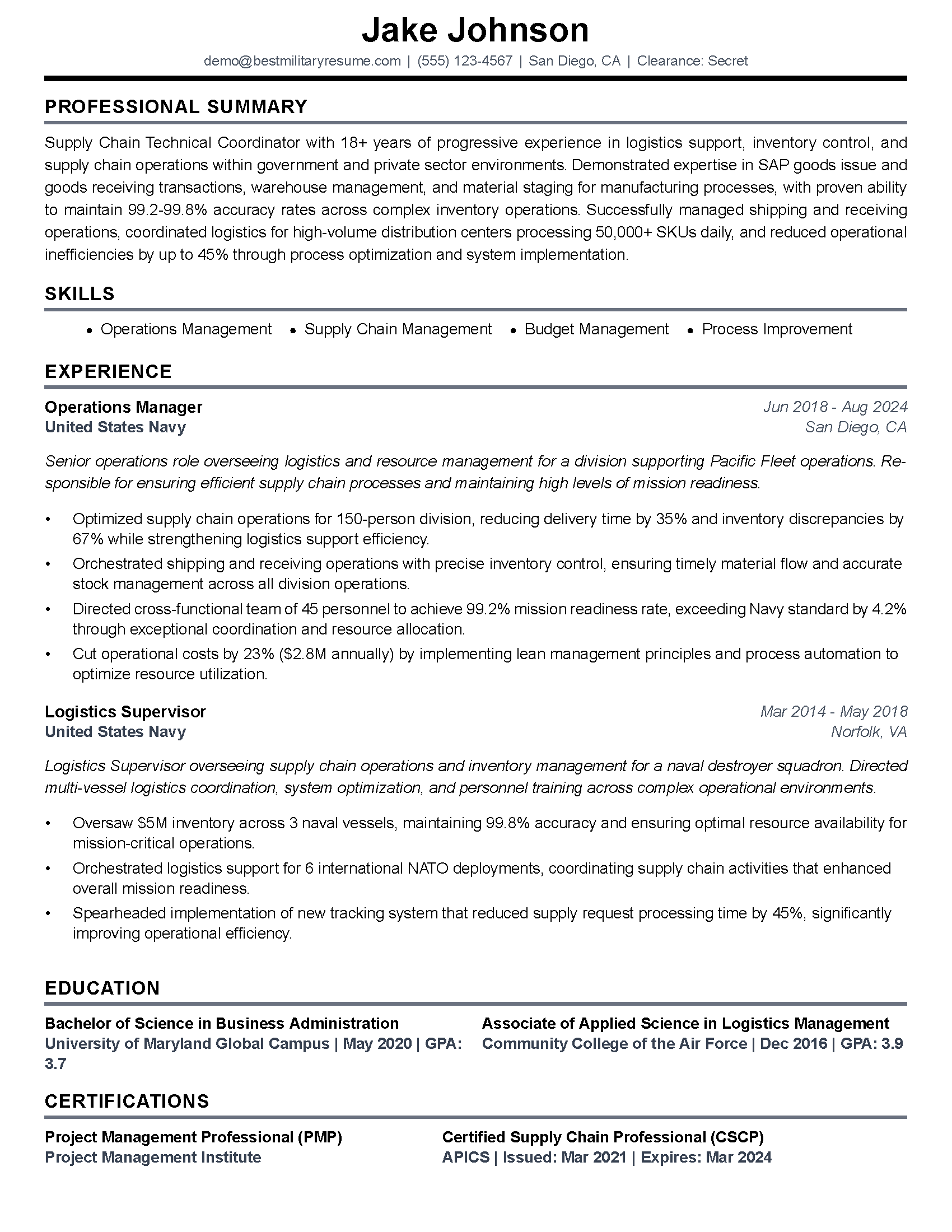
BMR’s Resume Builder sits behind 79,689 resumes. When your course ends, put its name and any NCRA credential on your resume. Start your first legal support resume there.
Sources: Bureau of Labor Statistics, NCRA, Military OneSource and climbtheladder.com pages, checked November 2026.
Frequently Asked Questions
What does a court reporter earn per hour?
Is there an NCRA group for scopists?
How do I set up my PROLink listing as a scopist?
Is MyCAA gone?
About the author
Brad Tachi is the CEO and founder of Best Military Resume and a 2025 Military Friendly Vetrepreneur of the Year award recipient for overseas excellence. A former U.S. Navy Diver with over 20 years of combined military, private sector, and federal government experience, Brad brings unparalleled expertise to help veterans and military service members successfully transition to rewarding civilian careers. Having personally navigated the military-to-civilian transition, Brad deeply understands the challenges veterans face and specializes in translating military experience into compelling resumes that capture the attention of civilian employers. Through Best Military Resume, Brad has helped thousands of service members land their dream jobs by providing expert resume writing, career coaching, and job search strategies tailored specifically for the veteran community.