Military Spouse Medical Transcription: Still Worth It, or Time to Pivot?
Luana, a military spouse, landed a Staff Policy and Procedures Analyst role.
Luana, military spouse, policy and procedures analyst
Medical transcription pays a 2025 median of $40,410, and O*NET projects it to "Decline (-1% or lower)" through 2035. The nearby medical records work pays $51,140 and is "Much faster than average" on the same scale.
Further down, one O*NET table compares the two jobs row by row.
Military spouse medical transcription: still a real option?
Yes, but it's a small field, and it isn't growing. O*NET counts 42,000 medical transcriptionists in 2025. It counts 200,700 medical records specialists.
The work itself hasn't gone away. O*NET's transcriptionist profile lists the core tasks. You review and edit reports "for spelling, grammar, clarity, consistency, and proper medical terminology." You also "Identify mistakes in reports and check with doctors to obtain the correct information."
Hold on to that second task. It's the skill that carries over to the growing jobs next door.
Transcription and records work, side by side
Every cell below comes from O*NET OnLine and its two job profiles.
| What O*NET shows | Medical Transcriptionists | Medical Records Specialists |
|---|---|---|
| Median wage (2025) | $40,410 a year | $51,140 a year |
| Growth label (2025 to 2035) | "Decline (-1% or lower)" | "Much faster than average (7% or higher)" |
| Job Zone | Three. Most jobs here need trade school, work time or a two-year degree. | Three. Same zone as transcription. |
| Titles to search | Medical Transcriptionist, Medical Language Specialist, Documentation Specialist, Medical Scribe | Health Information Technician, Health Information Specialist, Medical Records Technician, Medical Coder |
Both jobs sit in the same O*NET Job Zone. They call for a similar level of preparation. The real gap is room to grow.
Now look at the records tasks. O*NET lists "Review records for completeness, accuracy, and compliance with regulations." It also lists checking unclear codes "by consulting with doctors." You already do a version of both.
The credential path for transcription today
The Association for Healthcare Documentation Integrity (AHDI) runs these credentials. Its credential page sets the order.
- First, the Registered Healthcare Documentation Specialist (RHDS) exam. AHDI says people without the RHDS "must first take and pass the RHDS exam."
- Next, the Certified Healthcare Documentation Specialist (CHDS) exam. AHDI says the CHDS is for RHDS holders with "a minimum of 2 years' experience in acute care transcription or multi-specialty equivalent."
- The shortcut for a Certified Medical Transcriptionist (CMT). AHDI says: "Current CMTs may bypass the RHDS exam and sit for the CHDS exam."
The CHDS exam shows what the job tests now, including speech recognition technology (SRT). AHDI says: "The 120-question CHDS exam consists of multiple-choice questions, fill-in-the-blank transcription against audio, and SRT editing against audio." Part of the test is fixing a computer draft as you listen.
AHDI also says the emphasis in the practical portion is "more on critical thinking skills rather than keyboarding." That part leans on judgment more than typing speed.
One warning matters if you are new. AHDI says students and new grads are "strongly discouraged from taking the CHDS exam unless or until the candidate has acquired the acute care experience or exposure necessary." The exam is built around acute care work. So a new grad starts with the RHDS, not the CHDS.
Two exits that use the skills you already have
The first exit is on the transcription title list itself. O*NET names Medical Scribe and Documentation Specialist there. The editing work you already do fits those titles, too.
The second exit is the records field from the table. Its titles include Health Information Technician and Medical Records Technician. The tasks lean on review and care. You built those same habits on audio.
Coding sits inside the records field, too. O*NET lists Coder and Medical Coder among its titles. Want the coding route? Our medical coding guide for military spouses covers the training and the certificates.
For more medical jobs that move with you, see our portable healthcare careers guide.
Stay, shift or switch: BMR advice for your next step
This list is BMR advice, built from the sources above. It's not a rule from O*NET or AHDI.
Stay in transcription if
- You already hold a CMT or the RHDS and like the work.
- You have acute care transcription time and want the CHDS next.
- You're good at fixing a speech recognition draft against the audio.
Shift to scribe or documentation work if
- You like to work close to the doctor and the chart.
- Your best skill is catching errors and getting the doctor to fix them.
Switch to records or coding if
- You're starting from zero and have no credential yet.
- You want a field with more growth behind it after each permanent change of station (PCS) move.
- You like rules, lists and getting a record complete and correct.
Want to look past health care? Our portable careers ranking and remote work guide for spouses compare more jobs.
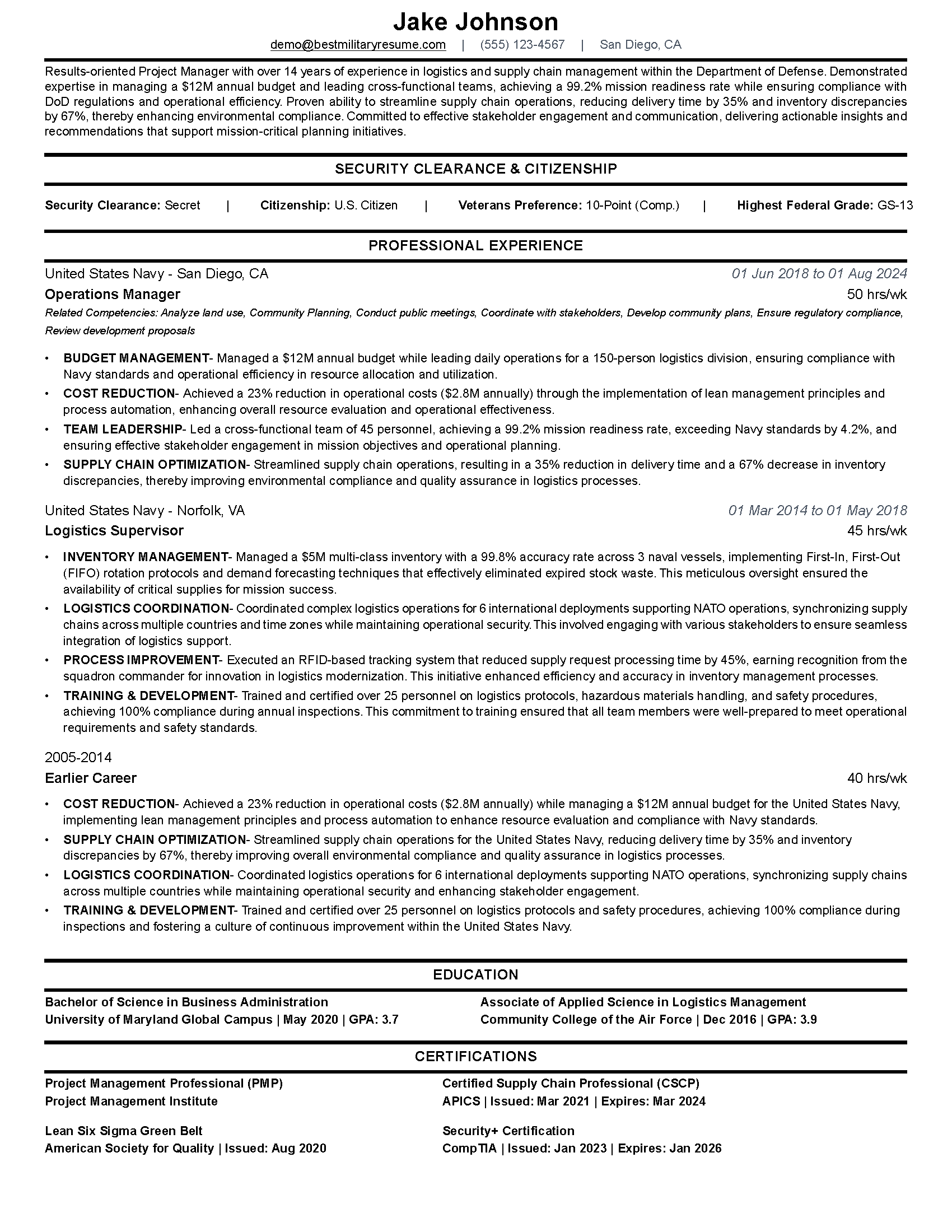
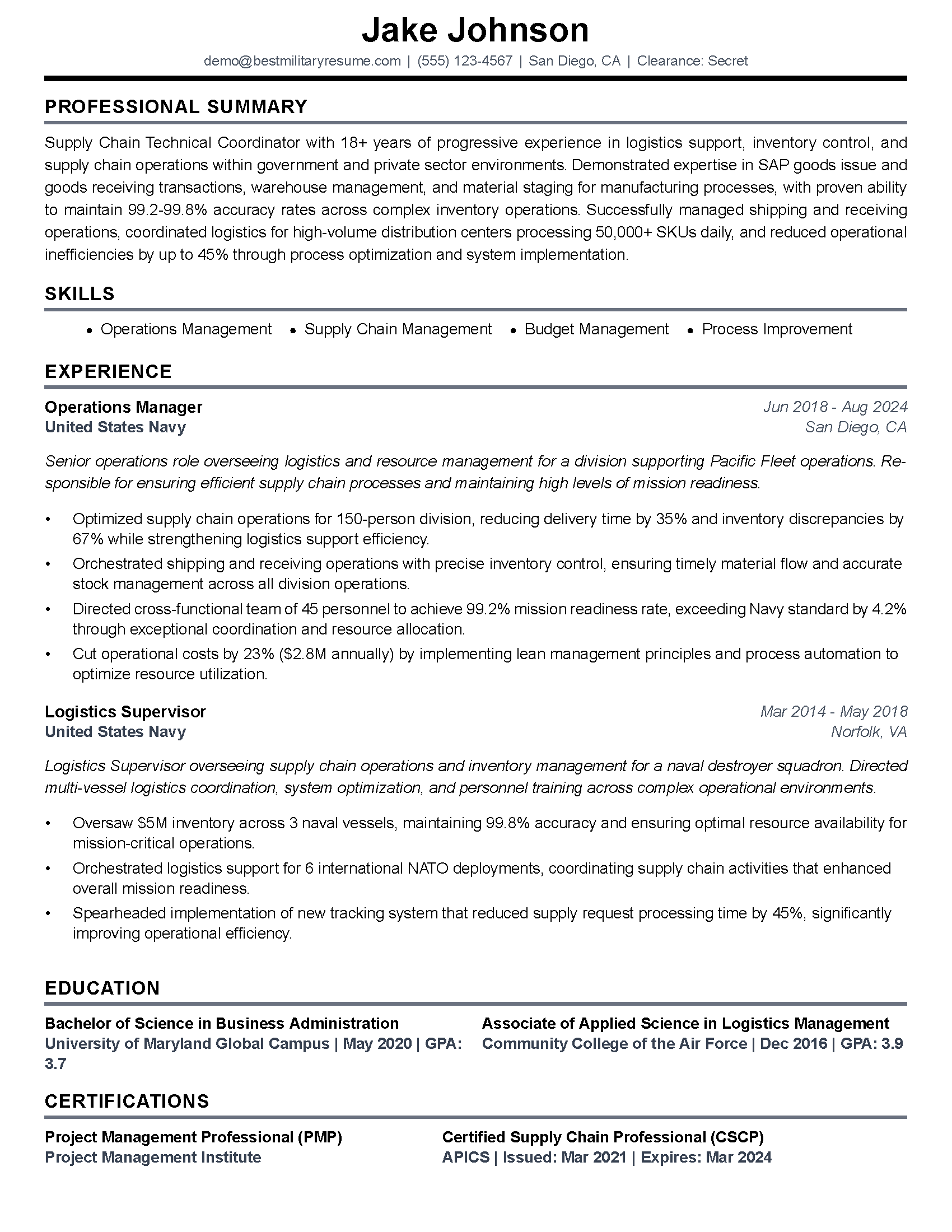
Turn transcription work into a records resume
A records job wants care and checks. So write your work in those words. Each line keeps the work. Only the words change.
- Old: "Transcribed radiology reports." New: "Checked radiology reports for errors and medical terms."
- Old: "Edited speech recognition drafts." New: "Checked speech recognition drafts against audio and fixed errors in the patient record."
- Old: "Flagged unclear dictation." New: "Found missing or unclear details in reports and confirmed them with the provider."
Yours can be the next of 79,061 resumes built on BMR. Start it from these three swaps in BMR's Resume Builder. It aims your editing work at one records or documentation job. Spouses get two free tailored resumes, split as one federal and one private.
O*NET OnLine supplied the wages, growth labels, titles and tasks. AHDI's CHDS page supplied the exam rules. We looked at both pages in November 2026.
Frequently Asked Questions
How long does a CHDS credential stay valid?
What happens to my RHDS when I pass the CHDS?
Does AHDI offer a scribe credential?
About the author
Brad Tachi is the CEO and founder of Best Military Resume and a 2025 Military Friendly Vetrepreneur of the Year award recipient for overseas excellence. A former U.S. Navy Diver with over 20 years of combined military, private sector, and federal government experience, Brad brings unparalleled expertise to help veterans and military service members successfully transition to rewarding civilian careers. Having personally navigated the military-to-civilian transition, Brad deeply understands the challenges veterans face and specializes in translating military experience into compelling resumes that capture the attention of civilian employers. Through Best Military Resume, Brad has helped thousands of service members land their dream jobs by providing expert resume writing, career coaching, and job search strategies tailored specifically for the veteran community.
