How to Get Free LinkedIn Premium as a Veteran
"Still getting interviews left and right. Now I have to say no."
Taranjeet, E-5, Army, optimized her LinkedIn and resume with BMR
Does LinkedIn Really Offer Free Premium for Veterans?
Yes. LinkedIn offers a full year of Premium Career at no cost to veterans, transitioning service members, and military spouses. The program runs through a partnership between LinkedIn and the U.S. Department of Veterans Affairs, and it has been active since 2017.
Premium Career normally costs $29.99 per month, which adds up to about $360 per year. That is real money, especially during a transition when your paycheck just stopped. The free year gives you access to every Premium Career feature without entering a credit card.
This is not a trial. You do not get a stripped-down version. You get the same Premium Career subscription that paying customers use, for a full 12 months. After the year ends, you can cancel or choose to continue at the regular price.
After helping 15,000+ veterans through BMR, I can tell you that most people either do not know this program exists or assume it expired years ago. It is still active in 2026. If you have not claimed it yet, you are leaving a real advantage on the table.
How Do You Claim Free LinkedIn Premium as a Veteran?
The process takes about five minutes if you have your LinkedIn profile ready. Here is exactly how to do it, step by step.
Go to socialimpact.linkedin.com/programs/veterans
This is the dedicated landing page for the LinkedIn military program. Do not search for it in LinkedIn settings because you will not find it there.
Click "Get started" or "Activate your free year"
You will need to be signed into your LinkedIn account. If you do not have one yet, create a free account first.
Verify your military status
LinkedIn uses SheerID for verification. You will need your name, branch of service, and status (veteran, active duty, Guard/Reserve, or military spouse). No DD-214 upload required.
Complete the verification
Most verifications go through instantly. If SheerID cannot auto-verify you, it may ask for a document upload. This can take up to 48 hours but usually resolves within minutes.
Start using Premium immediately
Once verified, your Premium Career features activate right away. Set a calendar reminder for 11 months out so you can decide whether to keep it before auto-renewal kicks in.
One thing to watch: LinkedIn may ask for a credit card during activation for auto-renewal after the free year. You can remove it after activating, or just set a reminder to cancel before month 12 if you do not want to continue paying.

Who Qualifies for the Free LinkedIn Premium Year?
The eligibility is broader than most people expect. You do not need to be recently separated or within a specific window of your transition. Here is who qualifies:
- Veterans of any branch (Army, Navy, Air Force, Marines, Coast Guard, Space Force) who have been honorably discharged
- Active duty service members currently serving or within 24 months of separation
- National Guard and Reserve members, including drilling reservists
- Military spouses of active duty, Guard, or Reserve members
If you separated 10 years ago and never claimed it, you are still eligible. The program does not have a post-separation cutoff. The only requirement is that you have not already used a free Premium year through this specific program before.
One Free Year Per Person
LinkedIn tracks this by account, not by email address. You get one free year through the military program. If you already used it and it expired, you will need to pay for Premium going forward or look for other discount programs.
Which Premium Features Actually Matter for Your Job Search?
Premium Career comes with a lot of features. Some are worth your time. Others are noise. Here is what to focus on and what you can safely ignore based on what I have seen work across thousands of veteran job searches through BMR.
InMail Messages
You get 5 InMail credits per month with Premium Career. InMail lets you message anyone on LinkedIn, even if you are not connected. This is huge for reaching hiring managers and recruiters directly.
The key is to not waste your InMails on generic "I'm interested in your company" messages. Target specific people at specific companies where you have already applied or plan to apply. Mention the exact role. Keep it under 150 words. When I moved from federal logistics into tech sales, the connections I made through direct outreach on LinkedIn led to more interviews than any job board application.
Who Viewed Your Profile
Free LinkedIn shows you a few recent viewers. Premium shows you everyone who viewed your profile for the past 90 days, including their name, title, and company. This is valuable intel.
If a recruiter at a company you applied to viewed your profile, that is a signal your application got attention. Follow up. If a hiring manager at a company you have not applied to viewed your profile, your LinkedIn visibility is working and you should check their open roles.
Salary Insights
Premium shows you salary ranges for job postings, even when the employer does not list them. It also shows how your profile compares to other applicants. This is useful for setting expectations and negotiating, especially if you are moving from military pay scales to civilian compensation for the first time.
LinkedIn Learning
You get full access to LinkedIn Learning courses. This is genuinely useful if you need a certification or want to pick up a civilian skill quickly. Project management, Excel, data analysis, and cybersecurity courses are popular with transitioning veterans. Completed courses also show up on your profile, which adds credibility.
Applicant Insights
For every job posting, Premium shows you how you compare to other applicants. It breaks down education levels, years of experience, top skills, and location. This tells you whether you are a strong match or a long shot before you invest time in a tailored application.
Key Takeaway
InMail and Who Viewed Your Profile are the two features that directly lead to interviews. Salary insights and applicant comparisons help you make smarter decisions about where to apply. LinkedIn Learning is a bonus for skill gaps.
How Can You Get the Most Out of Your Free Premium Year?
Having Premium is only useful if you actually use the features that move your job search forward. Here is a month-by-month approach to make sure you are not wasting any of the 12 months.
Month 1: Build Your Foundation
Before you start using InMail or tracking profile views, your profile needs to be ready. A recruiter who clicks on your profile after an InMail will leave in seconds if your profile looks incomplete or filled with military jargon they do not understand.
Start with your headline. Make it clear what you do in civilian terms, not your rank and MOS. Then write a professional summary that speaks to your target industry. Translate your military terms into language hiring managers recognize. Add your skills with the exact keywords from job postings you want.
Months 2-4: Outreach Phase
This is when InMail earns its keep. Identify 5 target companies per week. Find the hiring manager or recruiter for roles you want. Send short, specific InMails. Track who responds and who views your profile after.
Use your profile viewer data to spot patterns. If recruiters from a specific industry keep viewing your profile, your keywords are working for that sector. If no one is viewing, your headline and skills section need work.
Months 5-8: Apply and Follow Up
By now you should have a network of connections in your target field. Use applicant insights to pick your battles. Apply to roles where your background is a genuine match and skip the ones where you are clearly underqualified. Follow up on applications with InMail to the hiring manager when possible.
Months 9-12: Close and Decide
If you have landed a role, use the remaining months for LinkedIn Learning to build skills for your new position. If you are still searching, double down on outreach and consider whether Premium is worth continuing at the paid rate.
1 Set a calendar reminder
2 Use InMail strategically
3 Check profile viewers weekly
4 Complete LinkedIn Learning courses
What Are Common Mistakes Veterans Make with LinkedIn Premium?
Getting Premium activated is the easy part. Using it effectively is where most veterans fall short. Here are the mistakes I see repeatedly across BMR users who share their job search progress.
Activating Premium Before Your Profile Is Ready
Your free year starts the day you activate. If you spend the first two months building your profile, you just burned two months of Premium doing something you could have done for free. Get your profile complete first, then activate.
At minimum, your profile should have a civilian-friendly headline, a written summary, your experience translated into civilian language, and at least 20 skills listed. If you need help with the LinkedIn setup process, get that squared away before you start the Premium clock.
Never Using InMail
Unused InMail credits roll over for up to 90 days, then they expire. If you are sitting on 5 unused credits every month, you are wasting the most valuable part of Premium. Even if outreach feels uncomfortable, one well-written InMail to a hiring manager is worth more than 20 online applications into a black hole.
Ignoring Profile Viewer Data
Premium tells you exactly who is looking at your profile. If you never check this, you are missing signals that could lead to your next job. Make it a weekly habit. Five minutes every Monday morning. Check who viewed, check their company, and follow up if it makes sense.
Using Premium as a Substitute for a Strong Resume
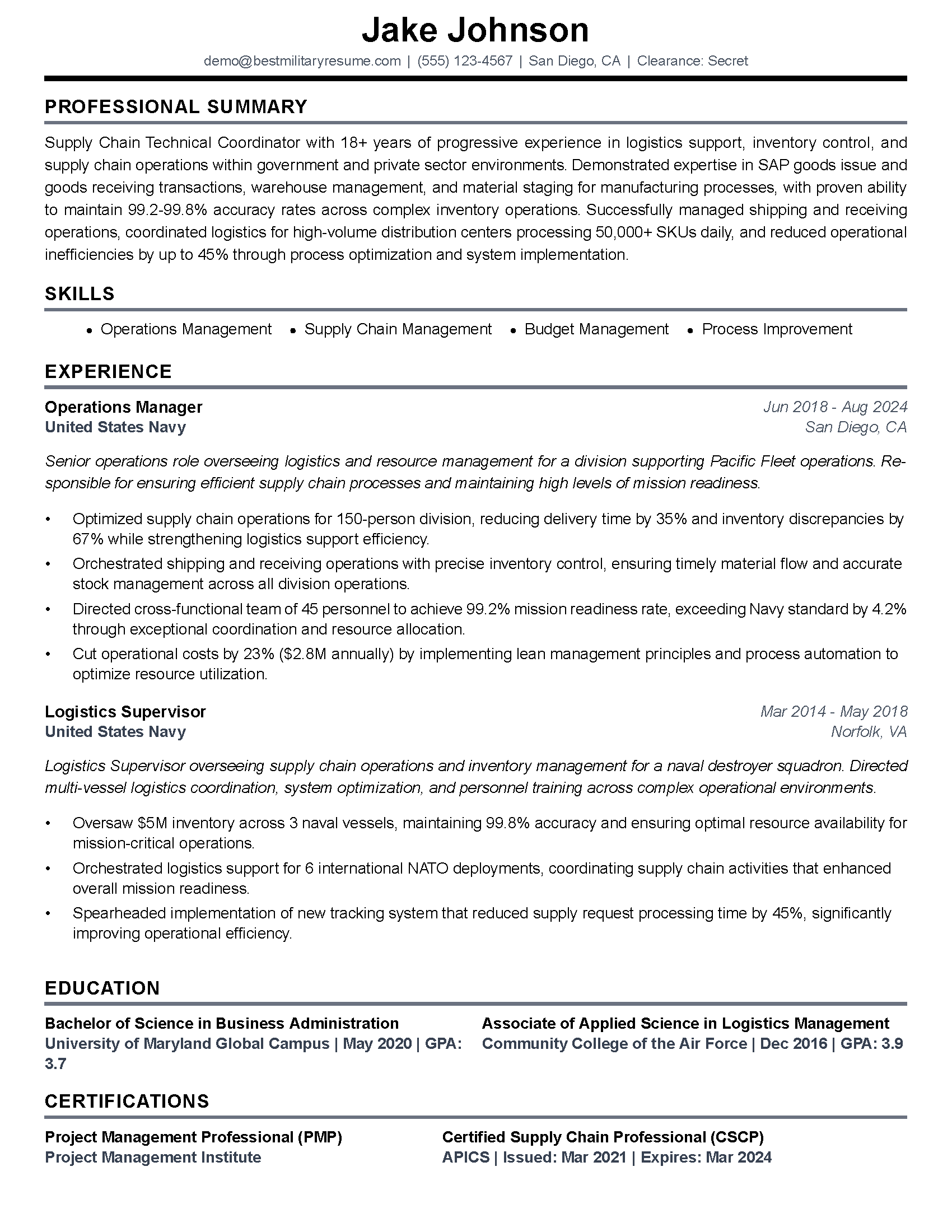
LinkedIn Premium helps you get visibility and make connections. It does not replace having a tailored resume ready when an opportunity comes up. Your LinkedIn profile gets you found. Your resume gets you hired. Make sure both are working together. BMR's Resume Builder handles the military-to-civilian translation automatically so your resume matches the quality of your LinkedIn outreach.
"LinkedIn gets you found. Your resume gets you hired. I have seen veterans with great LinkedIn profiles lose opportunities because their resume was still full of military jargon. You need both working together."
Is LinkedIn Premium Worth Keeping After the Free Year?
This depends entirely on where you are in your career after 12 months. Here is how to decide.
Keep it if: You are still actively job searching, you use InMail regularly, or you are in a field where recruiter relationships matter long-term (sales, consulting, federal contracting, IT). The profile viewer data alone can justify the cost if you are in a role where networking drives career growth.
Cancel it if: You landed a stable role and are not actively networking, you rarely used InMail during the free year, or you are in a field where jobs come through other channels (internal postings, referrals, government job boards like USAJOBS).
Before your free year expires, export your connections and save any LinkedIn Learning certificates. Those stay on your profile even after you downgrade. The learning courses you completed remain visible to anyone who views your profile.
- •Still actively job searching
- •Using InMail at least 2-4 times per month
- •In a networking-heavy field like sales or consulting
- •Recruiters regularly view your profile
- •Landed a stable position
- •Rarely used InMail during the free year
- •Your industry hires through other channels
- •Not actively networking or growing your reach
The bottom line: claim your free year as soon as your profile is ready. Use the features that directly connect you to hiring managers and recruiters. Track what works. And make an informed decision about whether to continue when the year is up. This is a real benefit you earned through your service. Use it.
Optimize yours: Use the free LinkedIn Optimization tool to translate your military experience for recruiters.
Frequently Asked Questions
How do veterans get free LinkedIn Premium?
Does the free LinkedIn Premium for veterans still work in 2026?
Do I need my DD-214 to get free LinkedIn Premium?
Can military spouses get free LinkedIn Premium?
What happens after the free year of LinkedIn Premium ends?
Is LinkedIn Premium worth it for veterans?
How many InMail messages do you get with LinkedIn Premium Career?
Can I get free LinkedIn Premium if I separated years ago?
About the Author
Brad Tachi is the CEO and founder of Best Military Resume and a 2025 Military Friendly Vetrepreneur of the Year award recipient for overseas excellence. A former U.S. Navy Diver with over 20 years of combined military, private sector, and federal government experience, Brad brings unparalleled expertise to help veterans and military service members successfully transition to rewarding civilian careers. Having personally navigated the military-to-civilian transition, Brad deeply understands the challenges veterans face and specializes in translating military experience into compelling resumes that capture the attention of civilian employers. Through Best Military Resume, Brad has helped thousands of service members land their dream jobs by providing expert resume writing, career coaching, and job search strategies tailored specifically for the veteran community.
