How to Job Search Around Annual Training (Guard and Reserve)
"Still getting interviews left and right. Now I have to say no."
Taranjeet, E-5, Army, optimized her LinkedIn and resume with BMR
Say your annual training runs the last two weeks of June. It's April, and you just found a posting you'd actually take. You start doing the math. If you apply now, will the interview land while you're in the field? Will an offer show up the week you have no signal?
A lot of drilling members just wait. They tell themselves they'll start after AT. Then AT ends and the unit needs a few days of cleanup. The search starts a month later than it could have. Waiting costs more than the two weeks.
This guide covers the calendar side of a job search around annual training. It covers when to check your AT dates and what to apply to before you leave. It shows how to move an interview and what to do if an offer lands mid-training. And it gives you a plan for the week you get back. It does not cover the cover letter wording or the "will you be deployed" interview answer. Those have their own guides, and I'll link them where they fit.
How long is annual training, and why does it change your search?
For a lot of drilling members, AT is about two weeks a year. The law sets the floor. Under 10 U.S.C. 10147, most Ready Reserve members train at least 48 drill periods a year. They also serve at least 14 days of active duty for training, not counting travel. The law allows exceptions by regulation, so your rules may differ.
The Guard has its own rule. Under 32 U.S.C. 502, Guard units drill at least 48 times a year. They also train at camps, maneuvers, or other exercises at least 15 days a year. Those are minimums unless a unit is excused, and some units ask for more.
So plan for two weeks plus travel, and maybe more. That's long enough to matter in a hiring process. A posting can open and close inside that window. A recruiter who wants to talk this week may not wait 16 days.
The good news is you can usually learn the dates early. Your unit often sets AT dates well ahead, so ask for them. That's a real edge. A sudden set of orders gives you no time to plan, but AT gives you weeks or months. Use them.
What AT is not
This guide is about a known block of about two weeks. Long orders are a different problem. If you're mobilizing for months, read how to pause and restart a job search around a deployment. The steps there assume you'll be gone long enough for your pipeline to go cold.
When should you put your AT dates on your job search calendar?
Right now. Before you apply to anything, write the AT dates on the same calendar you use for the search. Add the travel days on both ends. Add one or two days after you get back. The first days home often go to gear, sleep, and family.
Then count backward. Here's the rough shape I'd plan around for a private-sector job:
- Eight or more weeks out: Apply freely. The early steps can often finish before you leave.
- Four to eight weeks out: Keep applying, but expect some interviews to land close to AT. Plan for that now.
- Two to four weeks out: Apply to the jobs you want most. Tell recruiters your dates early so they can plan.
- Inside two weeks: Apply only where a slow start won't hurt you. Use the time to tailor resumes you'll send later.
Those windows are a planning guide, not a rule. Some companies hire in a week. Others take two months. You won't know which kind you're dealing with until you're in it, so build in slack.
Federal jobs work on a slower clock. A posting may close weeks before anyone calls you, and the whole process often runs for months. That can actually help. You can apply before AT and be back home by the time the interview comes. Applying federal? Read landing a federal job while you serve in the Guard or Reserve for the specifics.
What should you apply to before AT, and what can wait?
Sort your list before you leave. Every job you're tracking fits in one of three piles.
Pile one: apply before you leave
Some postings will close while you're gone. Others you want badly enough to chase now. If the close date falls inside your AT window, it goes here. Tailor your resume to each one and send it. Don't save a strong match for later if later means after it closes.
Pile two: tailor now, send when you're back
Some postings stay open for weeks. If the close date is well after AT, you have a choice. You can apply now and risk an interview request mid-training. Or you can tailor the resume now, save it, and hit send the day you get home.
I like the second option for most of these. The hard part of an application is the tailoring, not the clicking. If that's done before you leave, you can send five strong applications in your first hour back. That's a much better restart than starting cold.
Pile three: let it go
Some jobs need a fast start date you can't meet. Some want an interview loop that falls on your second week of AT. Some just aren't a fit once you read them twice. Let those go without guilt. Your search runs on a weekly rhythm, so another set of postings will show up after you're back.
One more thing before you leave. Ask yourself who in your unit works where you want to work. AT puts you next to the same people for two straight weeks. That's a lot of time for a real conversation. Your Guard unit can be your best network, and AT is when you see it most.
How do you schedule or move an interview around AT?
The best move is to get ahead of it. If a recruiter reaches out four weeks before AT, tell them your dates in the first reply. Don't wait until they offer you a slot in the middle of your training.
Keep it short and plain. You don't need to explain what AT is or apologize for it. Here's a reply you can adapt:
"Thanks for reaching out. I'm very interested. I'm available any day before June 12. I'll be at scheduled military training from June 14 to June 28. I'm open again from July 1. Could we find a time that works on either side?"
That reply gives the recruiter everything they need. It names the dates, offers options on both sides, and shows you want the job. Often, they'll just pick a day.
When the only slot is during AT
Sometimes the hiring team has one week for interviews, and it's yours. Ask first. A short note like this often works:
"I'd love to interview. That week I'm at scheduled military training with limited access. Could I interview the week of July 1? If that doesn't work, could we do a short call before June 12?"
If they still can't move, you have two choices. You can ask your chain of command for a short window to take a call. Or you can let that one go. Don't promise a call you may not be able to make. Missing a scheduled interview usually hurts more than asking to move it.
The questions about your service
Telling a recruiter your AT dates may lead to questions about your service. Know your answer before you hit send. The guide on answering "will you be deployed" in a job interview walks through it. To plan your whole prep calendar, use the interview prep timeline for veterans too.
I was active duty Navy, a diver, so I never did drill or AT myself. But I know what it's like when someone else owns your calendar. You can't move the training. You can only plan around it. The people who plan early tend to have the calmer search.
What if an offer or start date lands during AT?
This is the one that worries people most. You get the offer call, and the start date is the Monday of your second week of AT. Here's how to handle it.
First, thank them and say yes to the job if you want it. Then raise the date. Keep it simple: "I'm excited to accept. I'm at scheduled military training until June 28. Could we set my start date for July 6?" Asking to push a start date back a week or two is a normal request.
Second, know where the law stands. Under 38 U.S.C. 4311, part of USERRA, an employer can't deny you a job because of your service. That includes your duty to serve later. That covers your future AT, too. You don't need to quote the law in an offer call. It's just good to know you're on solid ground when you ask.
Third, if the offer comes while you're in the field, don't rush it. A short reply buys you time: "Thank you. I'm at military training with limited access. I'll call you on July 1 to talk through details." Then do it. A clear date is better than going quiet for two weeks.
What about drill and AT after you start?
Once you accept, your new employer will need to know your drill and AT schedule. That's a conversation for the offer stage or your first week, not the first interview. How you work that schedule with your new boss over time is its own topic. Thinking about how a civilian job and reserve rank grow together? Read about balancing your civilian career with reserve promotion.
For the cover letter side, there's a separate guide on how to write a reservist cover letter. It covers where a line about your training belongs and what it should say.
Can you run your search from the field during AT?
Sometimes, a little. It depends on your unit, your mission, and your signal. Some AT periods leave you with an hour every evening. Others leave you with nothing for days. Plan for the second and be glad if you get the first.
If you do get a little time, here's what's worth it:
- Answer recruiters: A two-line reply with your return date keeps a lead warm.
- Confirm interviews you already set: A short note the week before helps nobody forget.
- Save new postings: Bookmark them and note the close date. Don't try to tailor on a phone in a tent.
- Write down your wins: If you led something or fixed something at AT, write it down that night.
That last one matters more than it looks. AT often hands you fresh, specific proof. Maybe you ran a range for 40 troops. Maybe you kept a convoy on schedule. Write down the numbers while they're fresh. In a month, you won't remember them, and those numbers are what make a resume line real.
What's not worth it? Firing off rushed applications from your phone with a resume you haven't tailored. A rushed application can do more harm than a late one. Save the real work for when you're home.
Set up an auto reply before you go
Set an away message on the email you use for your search. Keep it short: "I'm at scheduled military training until June 28 with limited access. I'll reply by July 1." It keeps recruiters from thinking you've gone quiet on them. It also takes one thing off your mind while you're out.
What do you do the week after AT ends?
Give yourself a day or two to land. Then restart on purpose. Here's a simple plan for the first week back:
- Day one or two: Read every message from the search. Reply to anyone waiting on you. Confirm or reschedule any interview you set before you left.
- Day two or three: Send the resumes you tailored before AT, starting with the jobs that close soonest.
- Day three or four: Add the wins you wrote down at AT to your base resume. Put them under your reserve service with numbers.
- Day five: Search for new postings that opened while you were gone. Sort them into the same three piles.
- End of the week: Follow up with people from AT who work where you want to be.
You may not get through all of it in five days. That's fine. The point is to have a plan. That way the search doesn't drift for a month.
Use the same rhythm every year
AT comes back every year. If you're searching around it once, you may do it again for the next job. Keep a note of what worked. Which recruiters moved dates without a fuss? Which postings closed while you were out? Next year, you'll plan faster.
What to Do Next
The single best thing you can do before AT is finish your resume work. That way the weeks before you leave go to applying, not writing.
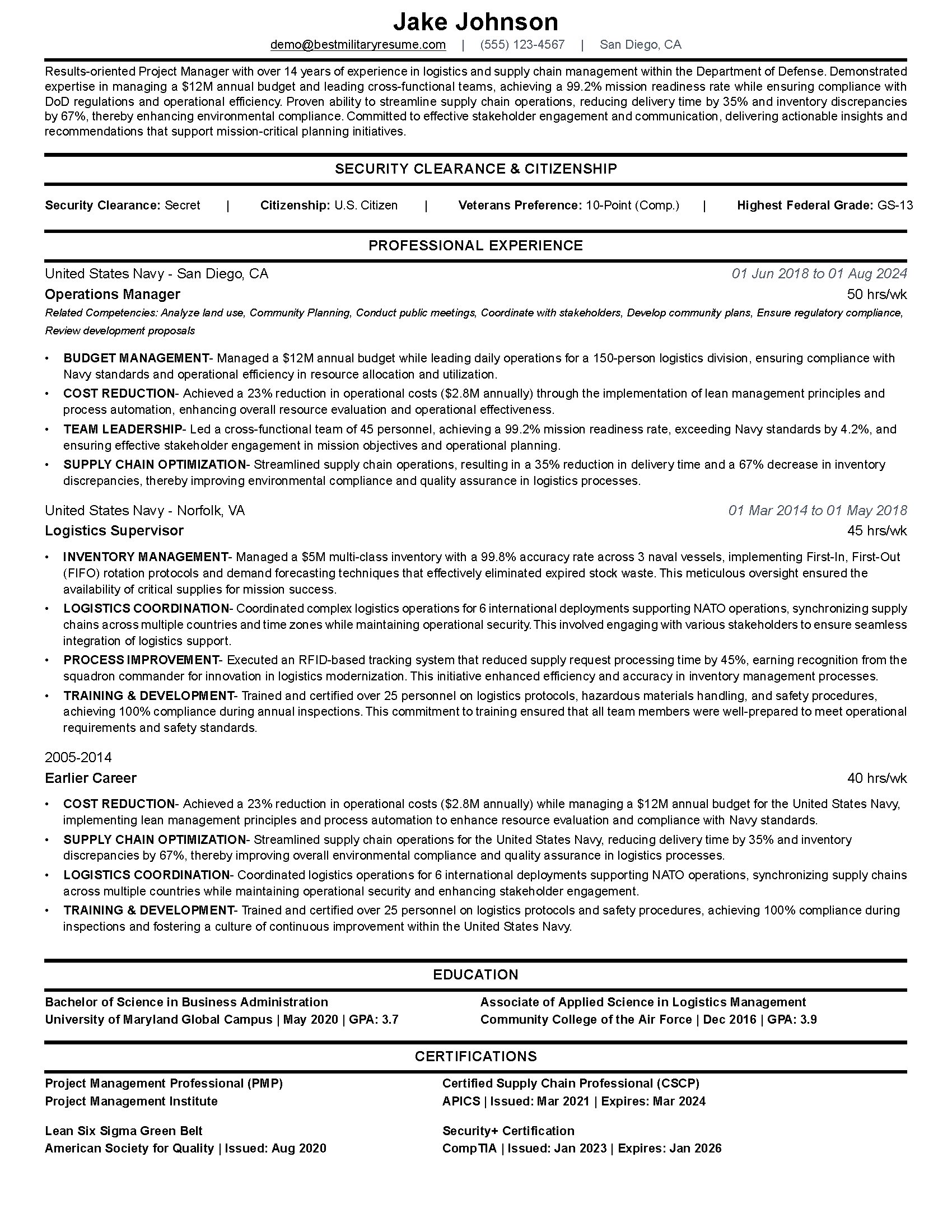
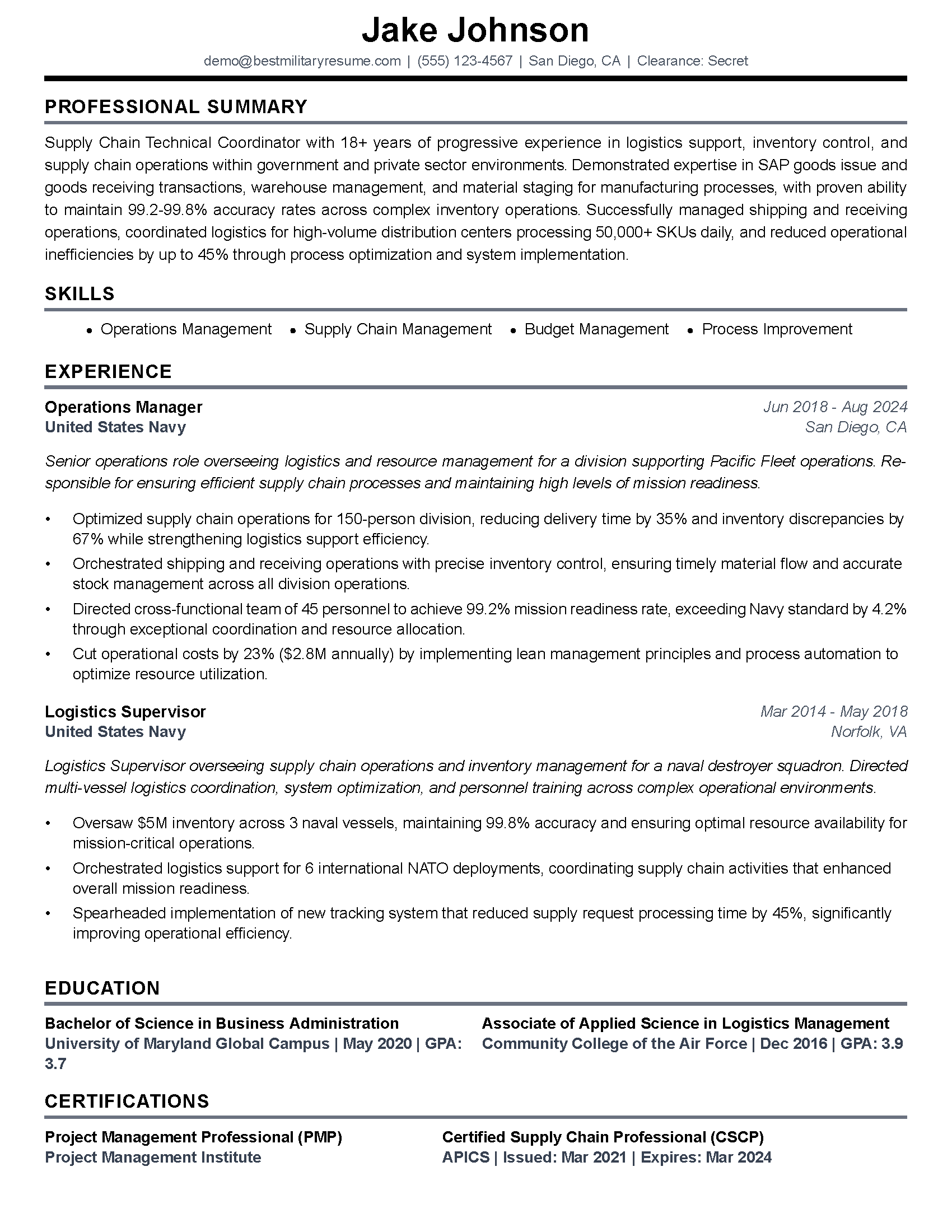
Start with one full base resume that holds everything. That means your civilian jobs, your reserve service, and your drill and AT duties with real numbers. Then cut a tailored version for each posting you'd take, in that posting's own words. Do the tailoring before you leave. Send the ones that close soon, and save the rest to send on your first day back.
BMR's Resume Builder does both steps. It builds your base resume and translates your military work into civilian terms. When you tailor, it copies your base. Then it rewrites your summary, work bullets, and skills in the posting's own words. Your base stays untouched. Each job lands in your tracker, so nothing gets lost while you're in the field. The free account includes one federal and one private tailored resume. You can run both before AT starts.
Open your calendar, write down your AT dates, and count back. Then build the resume you'll send before you leave.
Frequently Asked Questions
How long is annual training for the Guard and Reserve?
Should I wait until after annual training to start my job search?
How do I tell a recruiter I have annual training coming up?
What if my interview is scheduled during annual training?
Can I ask to move my start date because of annual training?
What should I do the first week after annual training?
About the Author
Brad Tachi is the CEO and founder of Best Military Resume and a 2025 Military Friendly Vetrepreneur of the Year award recipient for overseas excellence. A former U.S. Navy Diver with over 20 years of combined military, private sector, and federal government experience, Brad brings unparalleled expertise to help veterans and military service members successfully transition to rewarding civilian careers. Having personally navigated the military-to-civilian transition, Brad deeply understands the challenges veterans face and specializes in translating military experience into compelling resumes that capture the attention of civilian employers. Through Best Military Resume, Brad has helped thousands of service members land their dream jobs by providing expert resume writing, career coaching, and job search strategies tailored specifically for the veteran community.
