Kentucky Veterans Preference: The Five-Interview Rule and the DD-214 Deadline
Taylor sent 200+ applications for 5 interviews. With BMR, 20 resumes all hit.
Taylor, E-7, Army, defense industry
Kentucky veterans preference for state merit jobs is interview preference, not extra points. KRS 18A.150 set that rule on June 27, 2019.
Kentucky used preference points before 2019. For a Kentucky merit job today, you get none.
By the end, you'll know if a Kentucky posting owes you an interview and how to claim it.
Run This Check on Any Kentucky Posting
Start here if you already hold the preference. Not sure you do? The groups are further down. Answer yes to all four and Kentucky owes you a shot at an interview.
| Check | A yes means | Where the rule lives |
|---|---|---|
| First merit appointment | This is your first merit appointment. You are not moving from another one. | KRS 18A.150(4) |
| Merit job | The job is a competitive classified job, also called a merit job. | Personnel Memo 19-07 |
| Minimums met | You meet the minimums for that job class. | KRS 18A.150(1) |
| Papers on time | Your proof of service reached the Personnel Cabinet by the ad's closing date. | Cabinet guidance, March 2026 |
A single no takes you out of the preference for that posting. You can still apply and compete like anyone else.
HB 338 Swapped the Points for an Interview in 2019
Governor Bevin signed HB 338 on March 26, 2019. It took effect June 27, 2019. The Personnel Cabinet laid out the changes in Personnel Memo 19-07.
The memo lists four changes:
- Interview, not points: The memo says the law "Replaces preference points with interview preference."
- More spouses: It reaches spouses of current and former members. Before, only spouses of disabled veterans had a limited preference.
- First jobs only: It covers merit jobs for initial appointments, "not internal mobility positions."
- Minimums first: You must meet the minimums for the job class.
So a page that gives you points for a Kentucky merit job is out of date. Check its date before you trust it.
Federal jobs run on their own system. For that one, see the federal preference rules.
The Interview Count: All If Under Five, at Least Five If More
The law sets a count. It counts the people who hold the preference and meet the minimums. Each one must be "clearly identified."
- Fewer than five: The agency must offer an interview to all of them.
- Five or more: The agency must offer an interview to no fewer than five.
Say three of you qualify. All three get an interview offer. Say eight of you qualify. At least five get one. The 2018 FAQ adds that an agency "may offer interviews to more than five if it wishes."
An interview is not a job offer. You still win the job in the room. Practice your stories with the STAR method for veterans. The Cabinet's March 2026 guidance tells agencies that some veterans shined in the interview and got the job.
Only Your Initial Merit Appointment Counts
The law is plain on this. Preference "shall only apply to candidates seeking initial appointment to the classified service."
Memo 19-07 leaves out "internal mobility positions." 101 KAR 2:056 sets up internal mobility for a classified employee moving to a different job. So once you hold a merit job, your next move inside the system gets no interview preference.
One old page says something else. The Cabinet's 2018 FAQ says agencies offer interviews to at least five "including current state employees." That FAQ came out in July 2018, before the 2019 change. The Cabinet's March 2026 guidance says "qualified external applicants." Go by the law and the 2026 guidance.
Who Holds the Preference, Condition by Condition
The law reaches past veterans to their families. Every person below must also meet the minimums for the job class.
- Former members: You served in the Armed Forces, Reserves or National Guard. You left with an honorable discharge, a discharge under honorable conditions, or a general discharge.
- Their family: The spouse of a former member above counts. So does that member's unmarried widow or widower.
- Current members: You serve now in the Armed Forces, Reserves or National Guard. Your spouse counts too.
- Died in service: An unmarried widow or widower of a member who died in service counts. The exception is a death whose circumstances were cause for a separation other than honorable or general.
- Dependent parents: A parent fully or partly dependent on a member counts. That member died under honorable conditions on active duty or active duty for training. Or that member became permanently and totally disabled from a service-connected disability.
The 2018 FAQ adds two points. Former Guard and Reserve members never had to be mobilized. No veteran's service had to be during a war. Both still need an honorable or general character of service.
Applying as a Guard member? See how to show Guard service on a resume. Applying as a spouse? See spouse summaries that handle PCS gaps.
Get the Long Form DD-214 to the Cabinet Before the Ad Closes
This step trips people up. A "Yes" on the military question does nothing alone. The 2018 FAQ says the box "will not permit the candidate to receive this status."
The 2026 guidance sets the clock. Your papers must arrive "on or prior to the advertisement closing date." After the ad closes, the Cabinet runs a Minimum Qualification Review. Pass it and you get a second blue flag. That flag grants the interview preference.
The External Applicant Guide says the same thing. It calls the ad close the deadline "to provide necessary documentation to apply for interview preference."
Send the right copy. The 2018 FAQ asks for the long form, the Service 2 or Member 4 copy. It must list your character of service. The short Member 1 copy won't work.
Don't email it. The FAQ warns that the papers carry your Social Security number. It suggests fax or mail to the Personnel Cabinet.
The FAQ says your preference stays on file once granted, so you don't resubmit. The 2026 guidance adds that preference is "not retroactive to previously certified registers." So papers that arrive late won't help on a job that already closed.
The two papers don't match on steps. The FAQ says send once, by fax or mail. The guidance checks each ad's close. So send your papers early and ask the Cabinet to confirm it has them.
The 2026 guidance also says the Division of Career Opportunities added a Veterans Advisor in March 2026. That advisor helps veterans get through the state job process.
Your DD-214 proves the preference. It is not a resume, as this DD-214 guide explains.
Rules come from KRS 18A.150, using the official copy archived April 2025. Other sources: Memo 19-07, the March 2026 guidance and the 2018 FAQ. Checked November 2026.
Walk Into That Interview With a Resume Built for the Posting
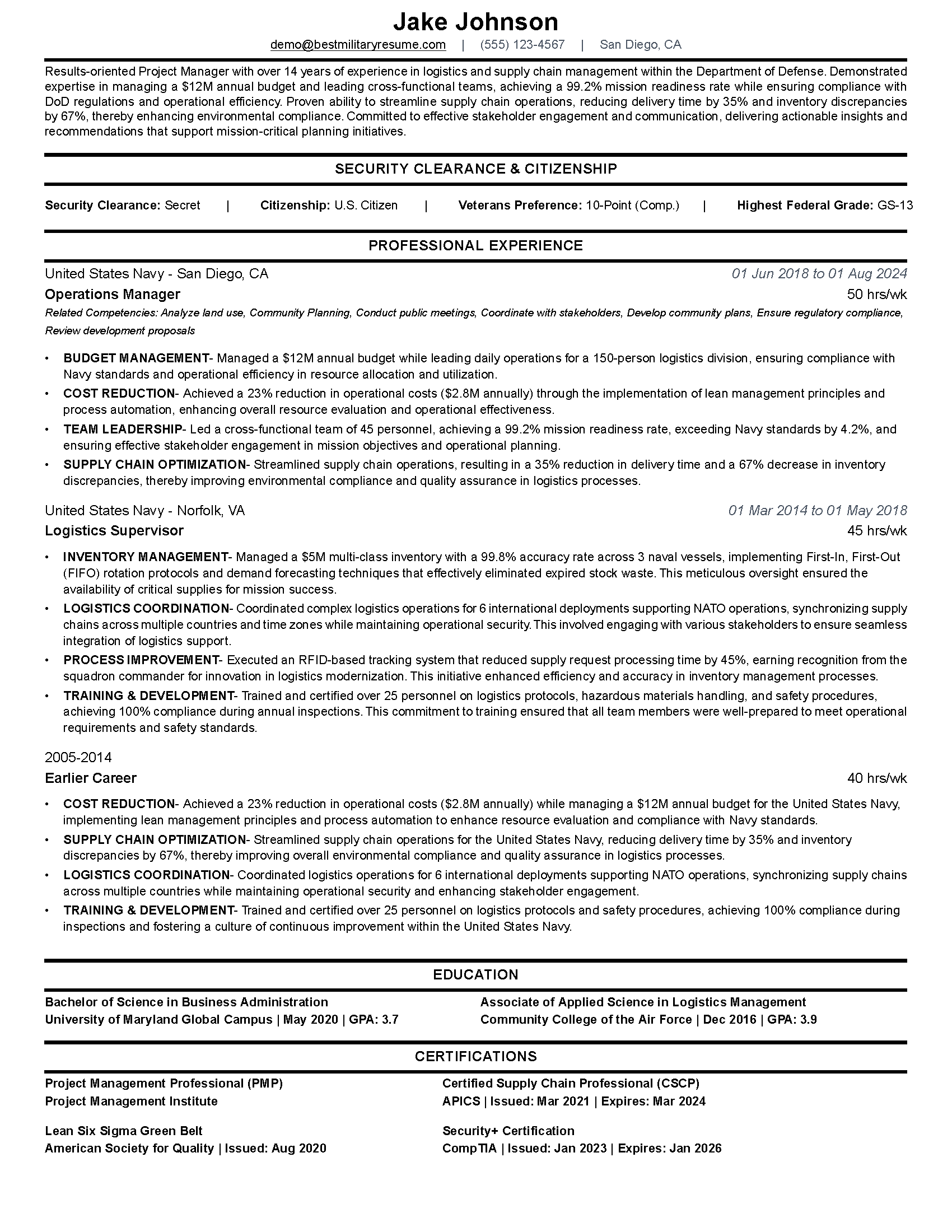
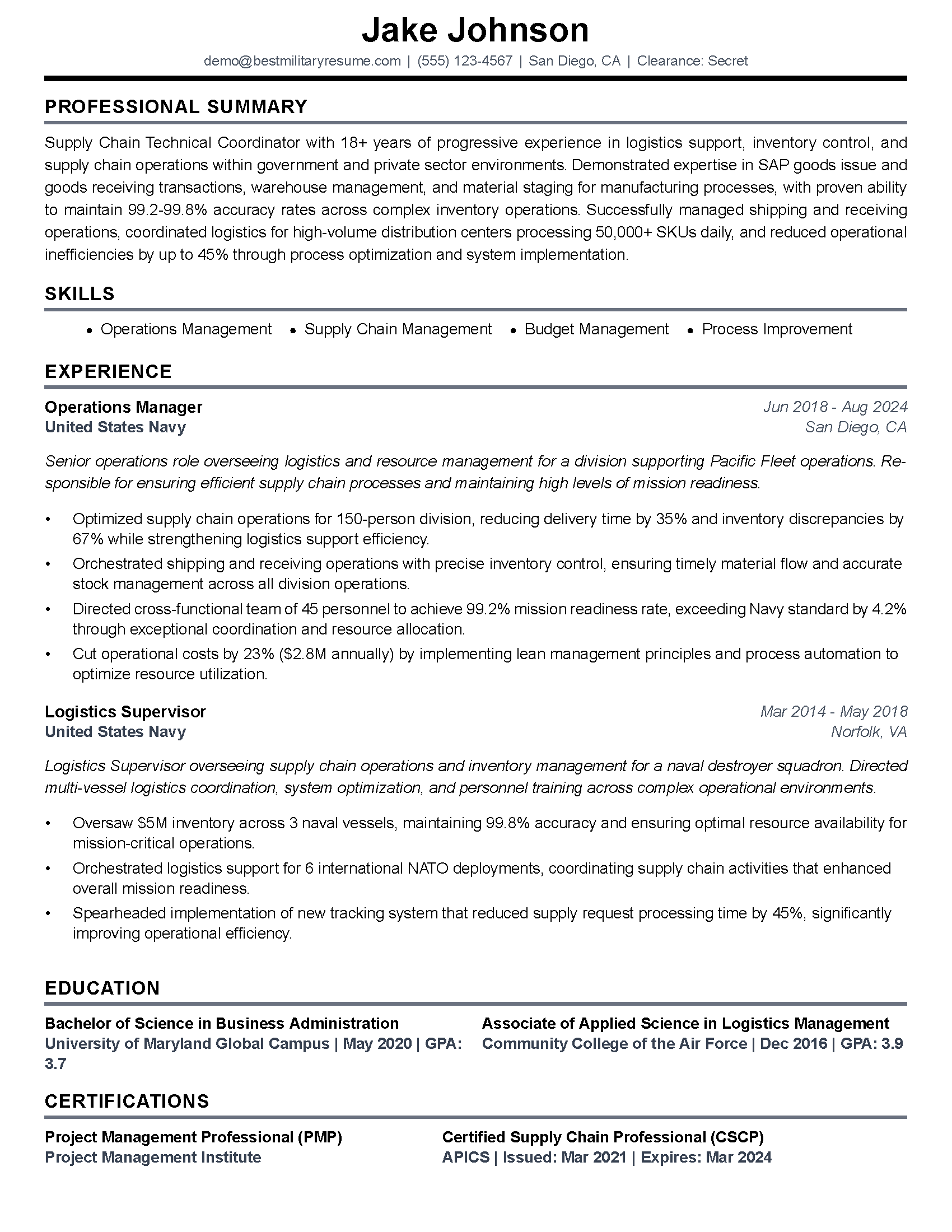
The preference opens the door. Your resume and your stories carry you from there.
Kaleb, an Army Sergeant (E-5), wrote us after his search. "I used BMR resume and got an interview with the first job I applied for." His note doesn't name the employer, so it isn't a Kentucky state result.
Open the military resume builder, sign in, and paste the Kentucky posting. It rewrites your summary, work bullets and skills in the posting's own words. It won't add work you never did.
Frequently Asked Questions
How do I get a copy of my long form DD-214 for Kentucky?
Does Kentucky's interview preference cover city, county or school jobs?
Will the Personnel Cabinet tell me when my preference is approved?
How long does a Kentucky merit job stay posted?
What happens if I turn down preference interviews?
About the author
Brad Tachi is the CEO and founder of Best Military Resume and a 2025 Military Friendly Vetrepreneur of the Year award recipient for overseas excellence. A former U.S. Navy Diver with over 20 years of combined military, private sector, and federal government experience, Brad brings unparalleled expertise to help veterans and military service members successfully transition to rewarding civilian careers. Having personally navigated the military-to-civilian transition, Brad deeply understands the challenges veterans face and specializes in translating military experience into compelling resumes that capture the attention of civilian employers. Through Best Military Resume, Brad has helped thousands of service members land their dream jobs by providing expert resume writing, career coaching, and job search strategies tailored specifically for the veteran community.
