When to Tell Your Manager You're Interviewing Internally
Taylor sent 200+ applications for 5 interviews. With BMR, 20 resumes all hit.
Taylor, E-7, Army, defense industry
You found an opening one floor up. Same company, or same agency. Better title, better pay, maybe a better boss. And the first thing that hits you is a knot in your gut. Do I tell my manager?
That question stops a lot of good people cold. When do you tell your manager you're interviewing internally? You may be thinking it right now. "If I tell my boss and don't get it, am I done here?" That's a fair fear. You still have to sit across from this person on Monday. I've been hired into six different federal career fields: Environmental Management, Supply, Logistics, Property Management, Engineering, and Contracting. A move up or over usually starts while you still report to someone.
The guide to your resume for an internal promotion covers the paperwork side. It gives this topic one short line: tell your boss before you apply, if the relationship allows it. This post is the full walkthrough behind that line. You'll get the timing choices in order and how to read your boss. You'll see what policy may ask of you. Then come word-for-word scripts, plus what to do when it goes sideways.
Do You Have to Tell Your Manager Before You Apply Internally?
Start with the rules. They come before your nerves. The rules may make the choice for you.
Private-sector companies
Many companies have an internal transfer or internal mobility policy. It usually lives in the employee handbook or on the HR intranet. These policies vary a lot from one company to the next. Some common shapes you may run into:
- Notice to your manager: Some policies say you must tell your boss at a set point, like before you interview.
- Manager sign-off: Some companies need your manager's OK before you can apply, mostly if you're new in the role.
- Time in role: Some set a minimum time in your current job before you can post out.
- Good standing: Some bar people on a performance plan from applying.
Don't guess which one your company uses. Read the policy itself, or ask HR. Keep the question plain. "If I apply internally, does my manager get notified?"
That one answer tells you how much control you have over the timing.
Federal agencies
Federal promotions run under rules too. For most competitive-service jobs, 5 CFR 335.103 says the agency must set up merit promotion procedures. The rule says they must be "available in writing to candidates."
So your agency's merit promotion plan is a document you can ask for. Your HR office, or your union contract if you're in a bargaining unit, may point you to it.
The same rule says "due weight shall be given to performance appraisals." Who writes your appraisal? Your supervisor. So your boss already has a hand in how you stack up, whether you tell them or not.
Also check how the opening is posted. An internal merit promotion job and an open public posting work differently. If you're unsure which you're looking at, read merit promotion vs. DEU announcements first.
How Do You Read Whether Your Boss Will Back You?
Policy tells you what you must do. The relationship tells you what you should do. Be honest with yourself here, because wishful thinking burns people.
Green lights
- Your boss has asked where you want to be in two or three years.
- They've pushed you toward training, stretch work, or a detail.
- Past team members left for bigger jobs, and your boss talks about them with pride.
- You get straight feedback, good and bad, and it's been fair.
Yellow lights
- Your boss is short-staffed and leans on you hard.
- They're new, and you don't know them well yet.
- Your one-on-ones keep getting canceled.
- Your team just lost people, and your boss is worried about the next loss.
With yellow, still have the talk. Just plan it with more care. A boss who leans on you hard may worry about the gap you'll leave. So walk in with a handoff idea along with the news.
Red lights
- People who applied out before got cut out of good work afterward.
- Your boss has called internal applicants "disloyal" or "not team players."
- Credit for your work keeps landing on someone else.
- You had a falling-out that's still not fixed.
- Your boss helps pick for the new role, and they want you to stay.
With red, you can still apply. You may want to hold the talk until policy or the process forces it. More on that timing below.
When Is the Best Time to Tell Your Manager?
You have four real windows. Each one trades a little risk for a little control.
Window 1: Before you apply
This is the best choice when the lights are green. Your boss hears it from you first. They may even help. They might tell the hiring manager what you've done, or point out a gap to fix. The downside is simple. If you don't apply after all, or don't get picked, your boss still knows you looked.
Window 2: Right after you apply
This works when you want to commit first, then talk. Tell them the same day you hit submit. It's also the latest safe point when policy says your boss must be told before you interview. If your policy needs your boss's OK or notice before you apply, use Window 1 instead.
Window 3: After the first interview
This fits yellow or red relationships. Check first that your policy doesn't call for notice before an interview. You only spend the trust once you know you're a serious candidate. The risk is the grapevine. Inside one company, hiring managers often know your boss. Word can travel faster than you planned.
Window 4: After an offer
This is the last resort. It's the most private path, but your boss may feel blindsided. A boss who feels blindsided can make your last weeks rough and may talk about you later. Use it only when the relationship is truly red and policy allows it.
One rule cuts across all four windows. Your boss should hear it from you, not from the hiring manager, HR, or a coworker. If you think a call is coming, tell them first. A reference call is one easy way for a boss to find out.
What Should You Actually Say? Scripts You Can Use
Keep it short. Lead with why you want the role, not what's wrong with your current one. Then make it clear you'll keep doing your job well. Change the words so they sound like you.
Script 1: Before you apply (green light)
"Do you have ten minutes? I saw the opening for the operations lead on the other team. I'd like to apply. It's the kind of scope I've been working toward. I wanted you to hear it from me first. I'm not unhappy here. I'll keep my work tight either way. Would you be open to sharing feedback on my fit?"
That last question does real work. It invites your boss in as a coach, not a gatekeeper. Many bosses like being asked.
Script 2: You already applied
"I wanted to give you a heads-up. I applied for the program analyst opening in finance. I don't know yet if I'll make the list. If they reach out to you, I wanted you to know where it came from. Nothing changes on my end in the meantime."
Script 3: Federal internal posting
"I applied to the internal posting for the GS-12 logistics role in the next division. If I make the cert, they may call you. I'd value a fair read on my work. If there's a gap I should close, I'd rather hear it from you now."
Only use "cert" if your boss knows the word. Many federal supervisors do, but some may not.
Script 4: Your boss found out first
"You're right, I should have told you sooner. I'm sorry you heard it from someone else. I applied because I want to grow. It's not about this team. I'm still all in on my work here until anything changes."
Own it once. Don't over-explain. Then go back to work and let your output do the talking.
What to leave out
- Complaints about your boss, your team, or your pay.
- Threats, even soft ones, like "If I don't get it, I may look outside."
- Details about other offers you have.
- Pressure on your boss to put in a good word.
The panel may ask about a time you clashed with a boss. Have that story ready. The disagreement with your boss interview answer walks through how to tell it without trashing anyone.
What If Your Manager Reacts Badly?
Sometimes you do it all right and it still lands wrong. Your boss goes cold. You get dropped from a meeting. Good work starts going to someone else.
Stay steady first
- Don't argue in the moment: Say "I hear you," and give it a day.
- Keep your work strong: Any slip now becomes the story.
- Write things down: Note dates, what was said, and what changed in your duties.
- Follow up once: A calm check-in a few days later often clears the air.
Know where the lines are
In most federal jobs, the law sets some clear limits. Under 5 U.S.C. 2302(b), someone with authority over personnel actions may not "willfully obstruct" your right to compete. They also may not push you to withdraw from competition to help or hurt another applicant's chances. Those are listed as prohibited personnel practices. A cold shoulder alone may not reach that bar. Blocking your application could.
In the private sector, rules vary by state and by company. Your company may have an anti-retaliation policy, but that alone doesn't settle what's legal. If it goes past a bad mood, talk to HR. If it goes further, an employment attorney can tell you what applies where you live.
Often, though, a bad reaction is fear talking. Your boss is picturing the empty seat. A handoff plan can turn that around.
Offer a handoff plan
Show up with a short list. Name what you own, who could pick it up, and how you'd train them. This shows you're not leaving a hole. It also gives your boss something to do with the worry besides aim it at you.
What If You Don't Get the Job and Stay on the Team?
This is the part people dread most. You told your boss, you went for it, and someone else got picked. Now what?
Ask for the debrief
Reach out to the hiring manager. Ask one simple thing: "What would have made me the stronger pick?" Write down the answer. That's your plan for the next round. Federal employee? The next steps after a denied federal promotion covers what you can ask for.
Reset with your boss
Have a short talk inside a week. Don't let it hang in the air. Something like this:
"I didn't get the role. I'm fine, and I'm glad I tried. I'm still committed here. The feedback was that I need more budget work. Could I take on part of the quarterly forecast?"
Now your boss sees you as someone with a plan. You look like you mean to stay. And you've turned a loss into a skill you'll put on your next application.
Know when to stop waiting
One miss is normal. Two or three misses with the same vague feedback may be a signal. If the doors keep closing inside, a broader search may make sense. Asking for a promotion in your current seat is a different talk. The 12-month promotion plan covers that path.
How Do You Prep for the Internal Interview Once Your Boss Knows?
Once the talk is behind you, put the energy where it counts. Internal candidates often coast, because they think the panel knows their work. The panel may know your name. They may not know your results.
- Pull your numbers: Go through old appraisals, awards, and emails for results you can count.
- Match the posting: Line up each duty in the posting with one real example from your current job.
- Practice out loud: Run your answers with a peer you trust, not your boss.
- Plan the handoff answer: Panels may ask who covers your work if you move. Have a name ready.
Facing a federal promotion panel? The federal promotion panel interview prep guide goes deeper on those answers.
What to Do Next
The order of work is simple. Check the policy. Read your boss honestly. Pick your window. Say it short and say it first. Then get your paperwork right, because the talk only opens the door.
- Today: Find your company's internal transfer policy or your agency's merit promotion plan. Note if your boss gets notified.
- This week: Sort your relationship into green, yellow, or red. Pick one of the four windows.
- Before the talk: Pick a script, make it yours, and practice it once out loud.
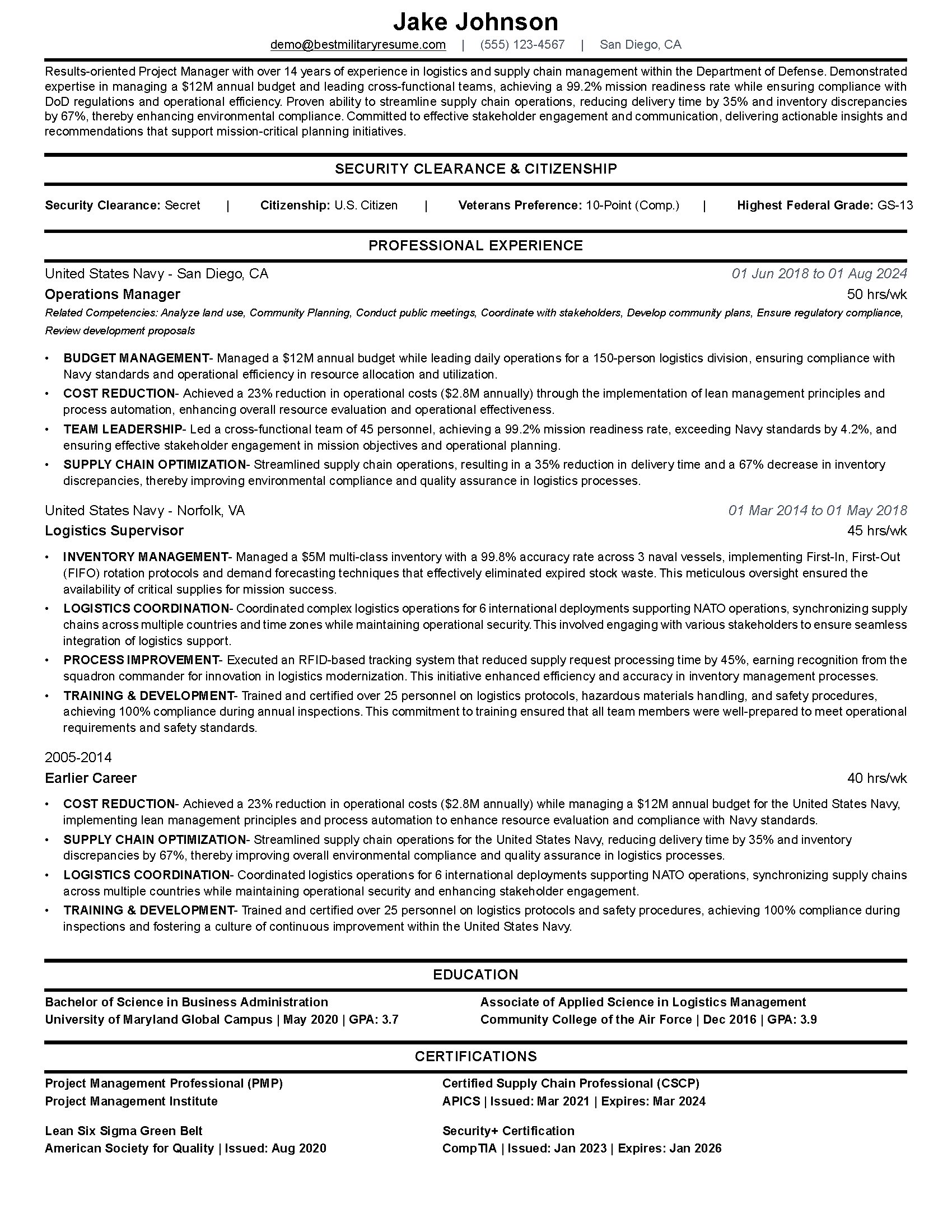
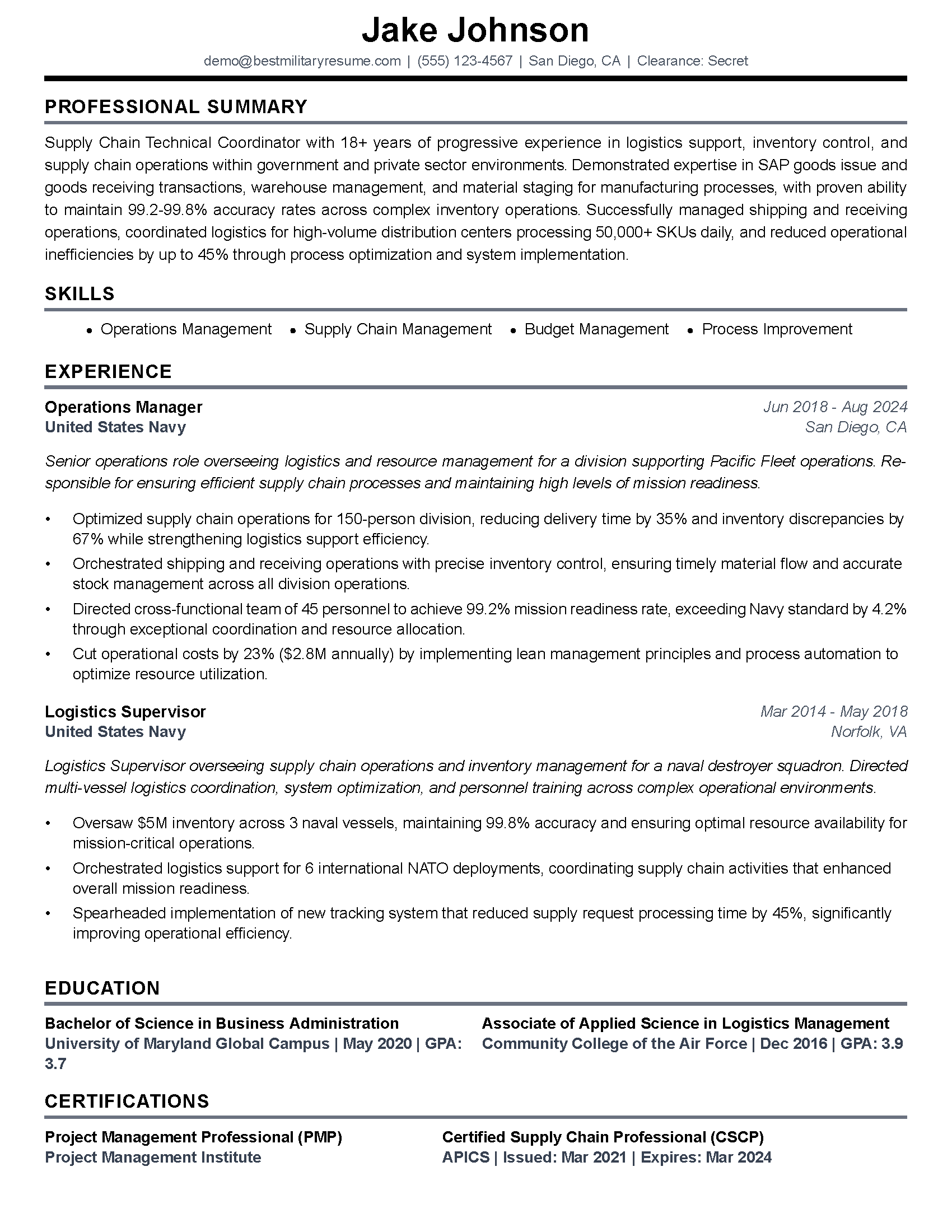
- Before you apply: Refresh your resume for this exact posting. Use the posting's own words for work you really did.
That last step is where people slip. They send the same resume they used to get hired years ago. It still lists the old title and skips the wins your boss watched you earn. A panel reading it may not see them.
BMR can do that step for you. Build or update your base resume in the BMR resume builder. Then tailor a copy to the internal posting. BMR rewrites your summary, work bullets, and skills in the posting's language. It won't add work you never did. The free tier includes two tailored resumes, so you can build this one at no cost. Get the resume right, then have the talk with confidence.
Frequently Asked Questions
Should I tell my manager I'm interviewing internally?
When is the best time to tell my boss about an internal job?
Does my manager get notified when I apply for an internal job?
Do federal employees have to tell their supervisor before applying for a merit promotion?
What do I say to my manager about applying for another role?
What if my manager reacts badly to my internal application?
What happens if I don't get the internal job?
About the Author
Brad Tachi is the CEO and founder of Best Military Resume and a 2025 Military Friendly Vetrepreneur of the Year award recipient for overseas excellence. A former U.S. Navy Diver with over 20 years of combined military, private sector, and federal government experience, Brad brings unparalleled expertise to help veterans and military service members successfully transition to rewarding civilian careers. Having personally navigated the military-to-civilian transition, Brad deeply understands the challenges veterans face and specializes in translating military experience into compelling resumes that capture the attention of civilian employers. Through Best Military Resume, Brad has helped thousands of service members land their dream jobs by providing expert resume writing, career coaching, and job search strategies tailored specifically for the veteran community.
