Military Recruiters: Find Veteran-Friendly Employers
"Still getting interviews left and right. Now I have to say no."
Taranjeet, E-5, Army, optimized her LinkedIn and resume with BMR
Why Should Veterans Work With Military-Specific Recruiters?
General recruiters fill positions. Military-specific recruiters translate careers. The difference matters more than most veterans realize. A general recruiter at a staffing agency sees your military resume and does not know what to do with it — they cannot parse rank structures, quantify your leadership scope, or explain to a hiring manager why your 12 years of "motor pool operations" means you can run a fleet management program for a Fortune 500 company.
Military-focused recruiters have built their entire business model around understanding your background. They know that an E-7 with 15 years of experience is a mid-to-senior manager, not an entry-level applicant. They know that a company commander managed a $10M equipment account and 150+ personnel. They know which employers have successful military hiring programs and which ones claim to be "veteran-friendly" but do not actually understand how to onboard military talent.
Working with the right recruiter can compress months of job searching into weeks. The wrong recruiter — or no recruiter at all — means you are navigating the civilian job market alone, competing against candidates who have been building civilian careers and professional networks their entire working lives. This guide covers how to find, evaluate, and work effectively with military transition recruiters.
How Do Military Transition Recruiters Work?
Understanding the recruiter business model helps you work with them more effectively and avoid common misunderstandings that derail the relationship.
Employer-paid model: Reputable military recruiters are paid by the hiring company, not by you. The employer pays a placement fee — typically 15-25% of your first-year salary — when you are hired. This means a good recruiter is financially incentivized to place you in the highest-paying role you qualify for, because their fee scales with your salary. You should never pay a recruiter upfront. If someone asks for money before placing you, walk away.
Relationship-based placement: Military recruiters maintain relationships with hundreds of employers who specifically seek veteran talent. They know which companies have successful veteran hiring programs, which managers are former military themselves, and which corporate cultures align well with military backgrounds. This insider knowledge is not available on job boards.
Translation and advocacy: A good military recruiter does not just forward your resume. They translate your experience for the hiring manager, advocate for why your military background qualifies you, and help the employer understand the value of skills that do not have direct civilian equivalents. They serve as an interpreter between military culture and civilian hiring processes.
Interview preparation: Most military recruiters prep candidates for interviews with specific employers. They know what questions the company asks, what the hiring manager values, and what cultural fit signals to emphasize. This preparation is significantly more targeted than generic interview coaching.
Who Are the Top Military Transition Recruiting Firms?
Several firms have established strong track records placing veterans in civilian careers. Each has different specialties, geographic focus areas, and candidate profiles they serve best.
Orion Talent: One of the largest military recruiting firms in the country. Orion specializes in placing transitioning officers and senior NCOs in manufacturing, engineering, operations, and management roles. They operate a conference-style hiring model where candidates interview with multiple employers at organized events. Strong presence in industrial and manufacturing sectors. Best for: officers and senior NCOs targeting operations, engineering, and plant management roles.
Bradley-Morris (now part of RecruitMilitary): A legacy military recruiting firm that merged with RecruitMilitary to create one of the largest veteran employment platforms. Bradley-Morris focuses on placing junior military officers and transitioning NCOs in technical and leadership roles. They also operate veteran career fairs nationwide. Best for: junior officers and mid-career NCOs across industries.
Lucas Group Military Division: Places military officers and senior NCOs in corporate leadership, sales, supply chain, and engineering positions. Lucas Group is known for strong relationships with Fortune 500 companies and emphasizes quality placements over volume. Best for: officers targeting corporate management and leadership roles at large companies.
Cameron-Brooks: Exclusively recruits transitioning military officers for corporate leadership development programs. Their model is intensive — candidates go through a multi-day preparation conference before interviewing with 8-12 employers. Placement rates are high and starting salaries typically exceed $80,000. Best for: company-grade officers (O-1 to O-3) targeting corporate management tracks.
Hiring Our Heroes Corporate Fellowship Program: Not a traditional recruiter, but the U.S. Chamber of Commerce Foundation's fellowship program places transitioning service members in 12-week fellowships at host companies. Many fellowships convert to full-time offers. The program provides professional development alongside the work experience. Best for: active duty members with 180+ days remaining who want a structured transition pathway.
Military-Transition.org: A nonprofit connecting veterans with employers through mentoring and placement support. While not a traditional recruiting firm, they provide free career coaching and employer introductions that complement the recruiting process.
Work With Multiple Recruiters
You are not limited to one recruiting firm. Connecting with 3-5 military recruiters maximizes your exposure to different employers and industries. Each firm has unique employer relationships and specializations. Just be transparent about working with multiple recruiters to avoid situations where two firms submit your resume to the same company.
How Do You Find Military Recruiters on LinkedIn?
LinkedIn is the most effective platform for connecting with military transition recruiters. Most military-focused recruiters maintain active LinkedIn profiles and are responsive to veteran outreach.
Search strategically: Use LinkedIn's search with terms like "military recruiter," "veteran recruiter," "military transition," and specific firm names. Filter by people and look for recruiters whose profiles mention military hiring, veteran placement, or military transition specialties. Many list their military background in their profile — former service members who became recruiters understand your experience better than those who have never served.
Connect with a personalized message: Do not send blank connection requests. Write a brief message: "Hi [Name], I am a transitioning [rank/branch] veteran with [X years] of experience in [general field]. I am exploring civilian career opportunities in [target industry] and would appreciate connecting with you about potential opportunities." Personalized messages get significantly higher acceptance rates.
Follow recruiting firms' company pages: Orion Talent, RecruitMilitary, Lucas Group, and Cameron-Brooks all post job openings, hiring event announcements, and career advice on their LinkedIn company pages. Following these pages ensures you see opportunities in your feed and can apply quickly when relevant positions are posted.
Engage with recruiter content: Comment thoughtfully on posts from military recruiters. Share relevant articles about veteran employment. This engagement puts your name in front of recruiters organically and can lead to direct outreach. Recruiters notice active, engaged veteran profiles.
Before reaching out to recruiters, make sure your LinkedIn profile is translated into civilian language. A military-heavy profile confuses recruiters and limits the positions they consider you for. See our guide on LinkedIn optimization for transitioning military for profile setup strategies.
What Do Recruiters Look for in Military Candidates?
Understanding recruiter priorities helps you position yourself as a strong candidate. Recruiters evaluate military talent differently than job board algorithms — they look for patterns and potential, not just keyword matches.
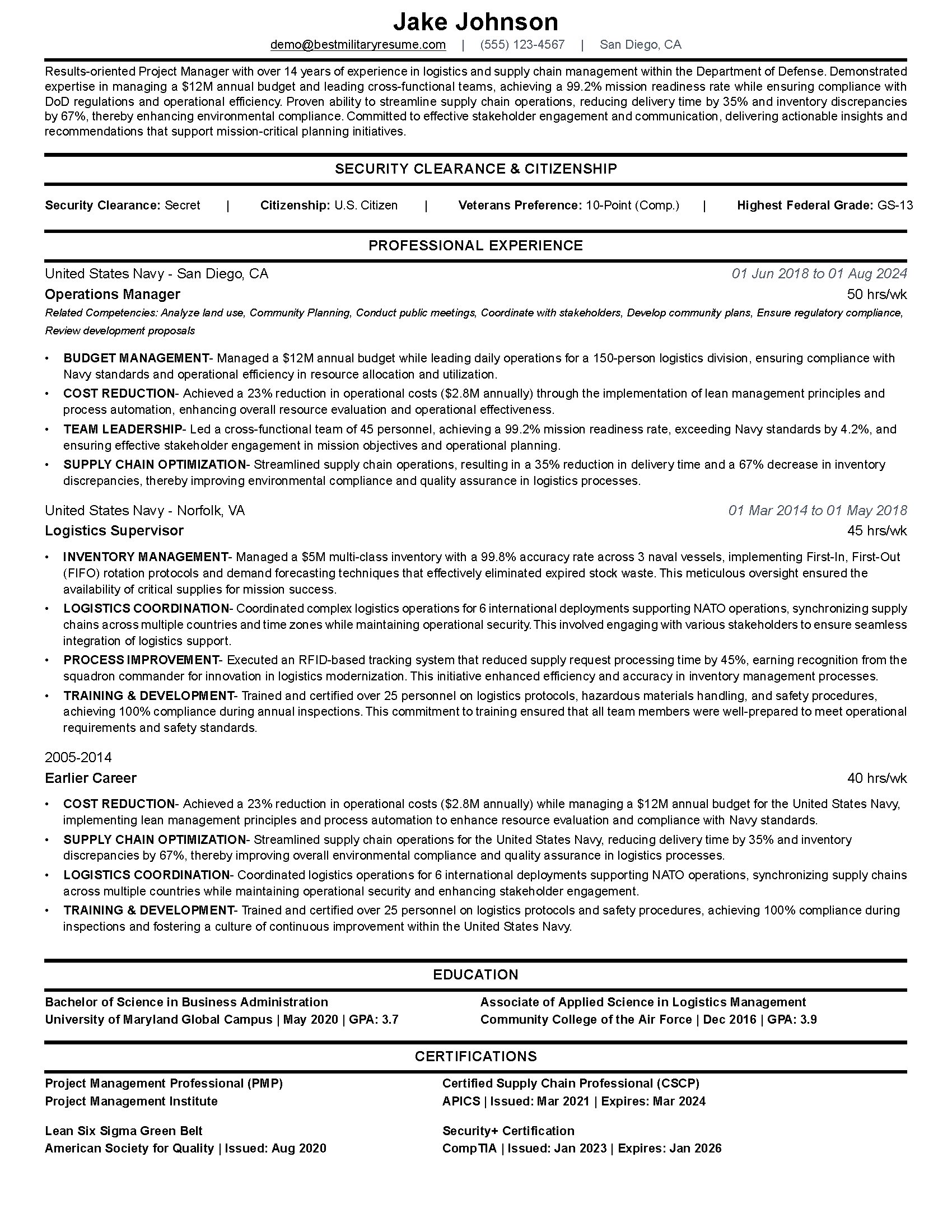
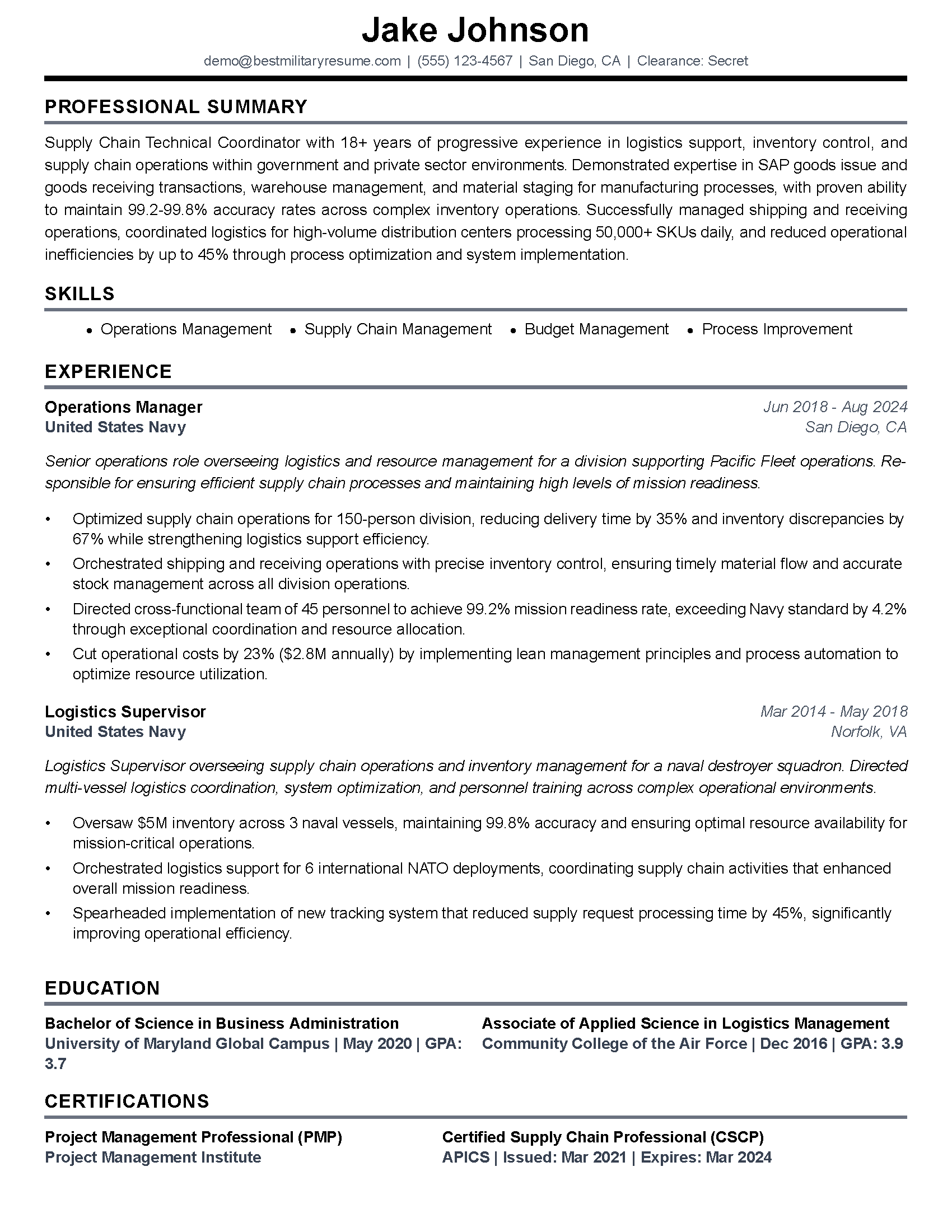
Translated resume: Recruiters need to present your background to civilian hiring managers. If your resume is full of military jargon, the recruiter has to translate it themselves — which means they may miss key accomplishments or position you incorrectly. Providing a pre-translated resume makes the recruiter's job easier and ensures your experience is presented accurately. Use BMR's Resume Builder to create a recruiter-ready resume before your first conversation.
Clear geographic preferences: Be specific about where you will and will not relocate. "Open to anything" sounds flexible but makes it harder for recruiters to match you. "Will relocate to the Southeast or Texas. Open to remote positions nationwide. Not willing to relocate to the Northeast" gives them actionable parameters.
Realistic salary expectations: Know your total military compensation value and research civilian market rates for your target roles. Give recruiters a salary range based on data, not feelings. "Based on my research, market rate for this role in this location is $85,000-$100,000, and I am targeting the upper end given my clearance and management experience" is a much stronger position than "I will take whatever pays more than my military base pay."
Flexibility on industry: Many veterans fixate on one specific career path and reject opportunities in adjacent industries. Recruiters who place military talent see career translations that candidates do not — a logistics NCO might thrive in supply chain, project management, operations consulting, or manufacturing supervision. Being open to the recruiter's suggestions expands your options significantly.
Professional communication: Respond to recruiter emails and calls promptly. Follow through on commitments. Show up to interviews prepared. These basics sound obvious, but recruiters track reliability — and they prioritize candidates who are responsive and professional. A recruiter who has to chase you for a returned phone call will stop presenting you to employers.
What Are Red Flags in Recruiter Relationships?
Most military recruiters operate ethically, but knowing the warning signs protects you from wasting time or making poor career decisions based on bad advice.
Upfront fees: Legitimate recruiters are paid by employers, not candidates. Any recruiter who asks you for money before placing you — whether they call it a "registration fee," "resume review fee," or "career assessment cost" — is not operating in your best interest. Walk away immediately.
Pressure to accept quickly: "This offer expires tomorrow" or "you need to decide by Friday" tactics are designed to prevent you from evaluating the opportunity carefully. Good recruiters want you to make informed decisions because a bad placement reflects poorly on their firm. If you feel pressured, take a step back and evaluate independently.
No military understanding: If a recruiter does not ask about your MOS, rank, or specific military experience, they are not a military specialist — they are a general recruiter who added "veteran" to their LinkedIn profile. Military-focused recruiters ask detailed questions about your service because those details determine which roles you qualify for.
Only presenting low-level positions: If you are a mid-career NCO or officer and the recruiter only presents entry-level positions, they either do not understand your experience level or they are filling quotas for lower-tier clients. A good military recruiter positions you at the right level — which for most veterans with 8+ years of service means mid-level management or above.
No interview preparation: Reputable military recruiting firms prepare candidates for specific interviews with specific employers. If a recruiter submits your resume and then goes silent until the interview, they are not providing the value that military-specific recruiting should deliver. Ask about preparation support before committing to work with a firm.
How Do Companies With Military Recruiting Teams Differ?
Beyond independent recruiting firms, many companies maintain internal military recruiting teams. These in-house recruiters work exclusively for their employer and focus on attracting veteran talent into their specific organization.
Amazon Military Recruiting: One of the largest veteran hiring operations in the private sector. Amazon has dedicated military recruiters, a military apprenticeship program, and SkillBridge partnerships. They recruit veterans for operations management, logistics, technology, and leadership roles at all levels.
JPMorgan Chase Military Pathways: Dedicated recruiting team focused on placing veterans in finance, technology, operations, and client-facing roles. The program includes cohort-based onboarding where veteran hires go through transition support together.
USAA: Founded by and for the military community. USAA's hiring process is built around understanding military experience, and their workforce includes a high percentage of veterans and military spouses. They recruit for insurance, banking, technology, and operations roles.
Booz Allen Hamilton: One of the largest employers of veterans in the consulting and defense space. Their military recruiting team understands clearance levels, military specialties, and how government consulting careers map to military experience. Strong fit for intelligence, cybersecurity, and strategy veterans.
Connecting with internal military recruiters at these companies through LinkedIn is highly effective. They are incentivized to fill their veteran hiring targets and are responsive to direct outreach from qualified military candidates.
How Do You Prepare Before Contacting a Recruiter?
Walking into a recruiter conversation unprepared wastes their time and yours. Preparation positions you as a serious candidate from the first interaction.
Build a translated resume before your first recruiter call. Your resume is the recruiter's primary tool for presenting you to employers — it needs to be in civilian language with quantified accomplishments. Running your background through BMR's Career Crosswalk Tool helps you identify target career paths before the conversation. Two free tailored resumes at bestmilitaryresume.com.
Prepare a list of your non-negotiables: minimum salary, geographic restrictions, industry preferences, and timeline. Know your clearance status and expiration date — recruiters placing cleared positions will ask immediately. Have 3-5 accomplishments ready to discuss with specific numbers (team size, budget managed, results achieved). This preparation signals to recruiters that you are serious, informed, and ready to move — which puts you at the top of their candidate priority list.
Key Takeaway
Military-specific recruiters are force multipliers for your job search. They understand your experience, maintain relationships with veteran-friendly employers, and advocate on your behalf in ways that job board applications cannot. Connect with 3-5 firms, provide a translated resume, communicate clear preferences, and let them open doors that you cannot access alone.
Also see best job boards for veterans and top companies hiring veterans.
Related: How veterans actually get hired on LinkedIn and the complete military resume guide for 2026.
Find your match: Translate your MOS to civilian job titles or explore career paths by branch.
Browse openings: Search veteran-friendly job postings on the BMR Job Board.
Frequently Asked Questions
Do military recruiters charge veterans for their services?
What are the best military recruiting firms?
How do I find military recruiters on LinkedIn?
Should I work with more than one recruiter?
What do military recruiters need from candidates?
How long does recruiter placement take?
What is the difference between a military recruiter and a company military hiring program?
Do I need a translated resume before contacting a recruiter?
About the Author
Brad Tachi is the CEO and founder of Best Military Resume and a 2025 Military Friendly Vetrepreneur of the Year award recipient for overseas excellence. A former U.S. Navy Diver with over 20 years of combined military, private sector, and federal government experience, Brad brings unparalleled expertise to help veterans and military service members successfully transition to rewarding civilian careers. Having personally navigated the military-to-civilian transition, Brad deeply understands the challenges veterans face and specializes in translating military experience into compelling resumes that capture the attention of civilian employers. Through Best Military Resume, Brad has helped thousands of service members land their dream jobs by providing expert resume writing, career coaching, and job search strategies tailored specifically for the veteran community.
