Loading...
Loading...
The civilian and federal jobs that hire Marines Fabric Repair Specialists — with real salaries and the resume that gets callbacks.
Every 1181 has more options than a Google search will tell you. Below: career paths, BLS salary data, federal GS series, certifications by target career, and how to translate your experience without losing what made you valuable to the Marines in the first place.
Free · No credit card · Tailored resume in under 5 minutes
After the Navy I got hired into 6 federal career fields and tech sales, and sat on federal hiring panels along the way. I spent the last 2 years rebuilding everything I learned into BMR, tuned for how AI actually screens resumes today. This is the system I wish I'd had on day one.
If you held the 1181 Fabric Repair Specialist MOS, you ran industrial sewing machines and heavy-duty textile gear inside the 11xx Utilities field. You repaired and fabricated tentage, tarps, vehicle and equipment covers, canvas, webbing, load-bearing equipment, packs, slings, ballistic and protective gear, and upholstery. You worked with cordura, ballistic nylon, heavy canvas, vinyl-coated fabrics, and webbing, and you knew when a load-bearing seam had to hold and when a repair would put a Marine or a piece of gear at risk.
The day-to-day was real bench work: reading a pattern or a torn original, selecting the right thread weight and stitch, running a walking-foot or heavy-duty single-needle machine, setting grommets and snaps, bartacking stress points, and inspecting finished work against a standard. That is a skilled trade. The problem on the civilian side is that the resume usually says "fabric repair," which a hiring manager reads as hemming pants. It is not. Once you name the materials, the machines, and the load-bearing repairs in civilian terms, the same work reads as industrial sewing, sailmaking, awning and canvas fabrication, upholstery, and textile-manufacturing production.
Civilian employers value this background because skilled industrial sewers are getting harder to find. BLS data shows the tailor, sewing, and upholstery occupations are shrinking through 2034 as the existing workforce ages out, which means experienced hands who can run heavy machines and repair to spec have leverage. Your military advantage is that you already worked to a documented standard, kept production moving in the field, and handled safety-critical repairs, things most civilian shops train for over months.
This page is for Marines who want to know exactly which civilian jobs hire a 1181, what they pay, the federal Wage Grade and GS paths, and how to write the resume so the work translates. Start with our military-to-civilian career crosswalk. If you are weighing other Utilities-field trades, compare the 1141 Electrician and 1171 Water Support Technician paths. For the resume itself, our guide to hidden military skills civilians do not know you have covers how to surface trade skills that get buried.
BMR has built more than 60,000 resumes across every MOS, and 1181s consistently sell themselves short by writing "fabric repair" and stopping there. The minute you name the machines, the materials, and the load-bearing repairs you actually did, your work reads as a skilled industrial sewing trade, and shops that cannot find experienced hands start calling back. The skill was never the problem. The translation is. — Brad Tachi, Navy Diver veteran & BMR founder
The number that matters when you're deciding what's next: how does civilian pay compare to what you make now?
Military comp is approximate (varies by location/dependents). Civilian is BLS median. Federal includes locality pay. Your real number depends on duty station, family status, GS step, and overtime.
The direct civilian path for a 1181 is industrial sewing and textile fabrication, and the labor market favors experienced operators. BLS reports the sewing and tailoring occupations are in slight decline through 2034, but the openings that remain go to people who can run heavy machines and repair to a standard without a long training ramp. Pay is modest at entry and climbs with specialty work like sailmaking, marine canvas, and custom industrial fabrication.
Industrial Sewing Machine Operator is the most direct match. BLS lists the median wage for sewing machine operators (O*NET 51-6031.00) at $36,000 as of May 2024. Production shops making bags, packs, tactical gear, safety harnesses, and outdoor equipment hire heavily, and your experience with heavy thread and webbing puts you above someone coming straight off a garment line.
Upholsterer work pays better and uses the same core skills. BLS reports a median wage of $46,190 for upholsterers (O*NET 51-6093.00) as of May 2024. Furniture, automotive, marine, and aviation interior shops all need people who can read a pattern, cut material, and sew durable seams.
Sailmaker and Marine Canvas Fabricator roles fall under tailors, dressmakers, and custom sewers (O*NET 51-6052.00), with a BLS median of $40,860 as of May 2024. Coastal markets, marinas, and canvas lofts pay a premium for hands who can fabricate biminis, dodgers, sail repairs, and covers, which is close to the tentage and cover work you already did.
Awning and Tent Fabricator and Textile and Fabric Repair Technician roles map to the broader textile, apparel, and furnishings group (O*NET 51-6099.00), with a BLS median of $37,010 as of May 2024. These shops run the same heavy-duty machines and vinyl-coated fabrics you handled in the field.
Geography matters in this trade. Coastal regions drive canvas and sailmaking demand, the Southeast and a handful of domestic manufacturing hubs hold the production-sewing work, and tactical and outdoor-gear brands cluster around their own factories. Marines coming out of fabric repair share civilian ground with riggers and survival-equipment specialists in other branches, including the Army 92R Parachute Rigger and the Navy PR Aircrew Survival Equipmentman, both of whom run heavy sewing and webbing repair. To get the resume into shape for these roles, our military-to-trade careers guide shows how to frame a hands-on skilled trade, and you can draft yours in our military resume builder.
| Civilian Job Title | Industry | BLS Median Salary | Outlook | Match |
|---|---|---|---|---|
Industrial Sewing Machine Operator O*NET: 51-6031.00 | Manufacturing | $36,000 | Decline (-1% or lower) 2024-2034 | strong |
Upholsterer O*NET: 51-6093.00 | Furniture & Vehicle Interiors | $46,190 | Decline (-1% or lower) 2024-2034 | strong |
Sailmaker / Marine Canvas Fabricator O*NET: 51-6052.00 | Marine & Recreation | $40,860 | Decline (-1% or lower) 2024-2034 | strong |
Awning & Tent Fabricator O*NET: 51-6099.00 | Industrial Fabrics | $37,010 | Decline (-1% or lower) 2024-2034 | strong |
Textile & Fabric Repair Technician O*NET: 51-6099.00 | Industrial Fabrics | $37,010 | Decline (-1% or lower) 2024-2034 | strong |
Custom Sewer / Industrial Patternmaker O*NET: 51-6052.00 | Manufacturing | $40,860 | Decline (-1% or lower) 2024-2034 | moderate |
BMR rewrites your 1181 experience for any of the civilian roles above — keywords, achievements, and language hiring managers actually scan for.
Free · No credit card · 2 tailored resumes included
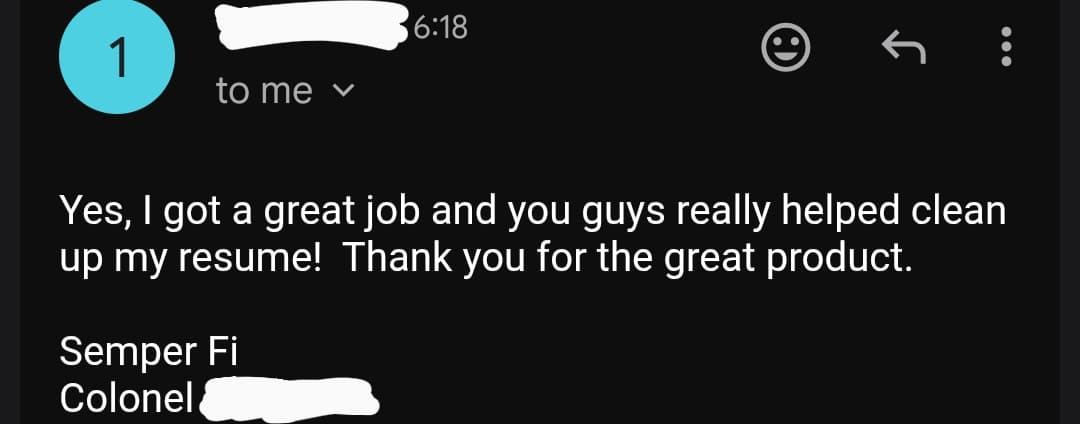
“Hey Brad, Just wanted to send out a quick thank you. You've created something amazing with BMR and your continued advocacy for transitioning service members does not go unnoticed. It was the most effective resource I used in my transition and I know it played a key role in landing a six figure…”
Federal fabric and textile work lives mostly in the Federal Wage System (Wage Grade), not the GS schedule, because it is hands-on trade work. The two anchor occupations are WG-3105 Fabric Working and WG-3111 Sewing Machine Operating. Depots, shipyards, and military clothing and equipment facilities run these positions to repair and fabricate covers, parachutes, flags, upholstery, protective equipment, and tentage. A 1181 qualifies for these on hands-on experience, and the trade test for fabric working maps almost directly to the bench skills you already have.
Adjacent Wage Grade work includes WG-3502 Laboring for material handling and shop support roles that feed into a fabric or textile operation, often the entry point at a depot before moving into the 3105 or 3111 occupations.
On the GS side, the supervisory and oversight ladder opens up as you gain experience. GS-1670 Equipment Services covers equipment and clothing management roles that oversee repair and issue of textile and protective gear. GS-1910 Quality Assurance inspects finished textile and equipment work against specifications, which is the QC side of what you did in the shop. GS-1601 General Facilities and Equipment and GS-1101 General Business and Industry cover broader equipment and shop-management positions for those moving into administration.
Veterans get a real edge here. Veterans Preference adds points to your competitive rating, and the VRA and 30-percent-disabled hiring authorities let agencies bring you on without competing through the standard register, which matters for Wage Grade trade jobs that are often filled locally. Read our breakdown of the federal job series every veteran should search and how to find your military job series equivalent on USAJOBS. Federal applications run on their own format, so build yours in our federal resume builder before you apply.
| GS Series | Federal Job Title | Typical Grades | Match | Explore |
|---|---|---|---|---|
| GS-3105 | Fabric Working | WG-6, WG-8, WG-10 | View Details → | |
| GS-3111 | Sewing Machine Operating | WG-5, WG-7, WG-9 | View Details → | |
| GS-1670 | Equipment Services | GS-7, GS-9, GS-11 | View Details → | |
| GS-1910 | Quality Assurance | GS-7, GS-9, GS-11 | View Details → | |
| GS-1601 | General Facilities and Equipment | GS-7, GS-9, GS-11 | View Details → | |
| GS-3502 | Laboring | WG-2, WG-3, WG-4 | View Details → |
Federal hiring uses keyword-matching and structured experience. BMR builds federal-format resumes (USAJobs-ready) with the right keywords, hours/week, and supervisor info — for any GS series above.
Free · No credit card · Federal + civilian resume formats included
Not everyone wants to stay in a related field. These career paths leverage your transferable skills — leadership, risk management, logistics, project planning — in completely different industries.
Braces, orthotics, and prosthetics are fabricated and repaired from patterns and patient measurements, the same precision build-and-repair work a 1181 does on load-bearing gear.
Dental labs construct and repair crowns, dentures, and appliances to precise specs. The exacting, repeatable bench work matches a 1181 who repaired safety-critical equipment to standard.
Fabricating and repairing jewelry rewards the same steady hands, pattern work, and repair-to-spec discipline a 1181 used at the bench, in a completely different industry.
Sheet metal fabrication runs on the same core habits you built repairing tentage and load-bearing gear: read a pattern or template, lay out and cut material to exact dimensions, fasten it to a documented standard, and inspect the finished piece before it ships. The medium changes from cordura to galvanized stock, but the precision-to-spec and waste-control discipline carries straight over into a building trade with steady demand.
Set and exhibit fabrication is build-to-spec work with soft goods, drapery, and durable materials, a creative outlet for the pattern-and-fabricate skill a 1181 already has.
Industrial-fabric, thread, and equipment suppliers sell to shops a 1181 worked in. Knowing the materials from the bench gives instant credibility that pure salespeople lack.
Buying materials and equipment for a manufacturer rewards someone who knows from experience which fabrics, threads, and components actually hold up, a buyer who has been on the shop floor.
The skills that made you a good Marine, Sailor, Airman, or Soldier transfer further than you think. BMR rewrites your bullets for any of the pivot careers above — without making you sound like you've never done the work.
Free · No credit card · Try unlimited career angles
If you are staying in industrial sewing, upholstery, sailmaking, or textile manufacturing, your terminology already works. Shop foremen and production managers know what a walking-foot machine, a bartack, and a load-bearing seam are. This section is for 1181s targeting careers OUTSIDE the textile and fabric trades, where a hiring manager has never set foot in a sewing shop and needs the work in plain business language.
The trap is listing equipment names and military shorthand with no civilian frame. A manager reading "repaired 782 gear and tentage" learns nothing. The fix is to translate the action into the outcome: precision fabrication to specification, safety-critical quality control, and production throughput under deadline.
That language carries into manufacturing, healthcare device fabrication, and procurement, where exact, repeatable work to a spec is the whole job. For a deeper toolkit, see our 50 military terms translated to civilian language and the guide to converting an NCOER or FITREP into resume bullets. When you are ready to write, our military resume builder handles the translation as you type.
BMR turns your 1181 duties and accomplishments into civilian bullets that match the job you're applying for — no manual translation, no rewriting.
Free · No credit card · Tailored to each job posting
Which certifications you need depends on where you're headed. Find your target career path below.
The wrong placement can sink an otherwise strong application. BMR knows where each cert ranks, what to call it, and how to frame it for ATS keyword matching and hiring manager attention.
Free · No credit card · Built around your real certs and clearance
Staying in the fabric and textile trades
If you want to keep working with your hands, target production-sewing shops, upholstery businesses, canvas and sailmaking lofts, and tactical or outdoor-gear manufacturers. SkillBridge can place you with a manufacturer before you separate, which gets you civilian shop experience and often a job offer. Read our SkillBridge guide to landing a civilian job before you separate. Industry associations like the Industrial Fabrics Association International (IFAI) and the Marine Fabricators Association list shops and run training that builds your network. Apprenticeship-style routes exist too, covered in our veteran apprenticeship programs guide.
Careers outside the fabric trades
If you are done with sewing entirely, your precision fabrication and quality-control background opens doors in healthcare device labs, manufacturing, procurement, and entertainment wardrobe. The American Corporate Partners (ACP) mentorship program pairs you with a corporate mentor free of charge, which is the fastest way to learn a new industry. Use the GI Bill or VR&E to fund a certificate that bridges into a new field, explained in our GI Bill trade school programs guide and our free certification programs for veterans.
Next steps and tools
Run your background through the career crosswalk to see every matched path, and lean on SFL-TAP transition resources for the separation timeline. When you are ready, build your resume now. See also the 1161 Refrigeration and Air Conditioning Technician path for another Utilities-field trade, and the Air Force 1P0X1 Aircrew Flight Equipment page if survival-gear repair interests you. For interview prep, our STAR method guide for veterans helps you tell the trade story well.
Most veterans do this backwards — they wait until terminal leave to start, then panic. Here's the actual sequence that works.
Print this. Tape it to your monitor. Veterans who treat the transition like a 90-day op get hired faster than the ones who treat it like an emergency.
Stop rewriting from scratch every time you apply. BMR turns your military experience into civilian and federal resumes — tailored to each job.