South Carolina Veterans Preference: The State Job Interview Rule
Taylor sent 200+ applications for 5 interviews. With BMR, 20 resumes all hit.
Taylor, E-7, Army, defense industry
South Carolina's veterans preference is an interview rule for state jobs, not extra points. Since January 1, 2021, state agencies and colleges must interview at least one qualified veteran per full-time post.
That sounds simple. But some official pages still say to send your DD214 with the application. That step changed in February 2021.
Use the three-part check below on any South Carolina posting before you apply.
The rule in the law and the 2020 memo
The law is S.C. Code Section 1-1-550. It covers honorably discharged veterans "who are given employment preference by the United States Government." They get preference "in every public department and upon all public works in this State insofar as such preference may be practicable."
The law doesn't say what that preference looks like. The state's Division of State Human Resources (DSHR) filled that in. Its memo of November 19, 2020 took effect January 1, 2021. It says:
"At least one qualified veteran must be interviewed for every full time equivalent (FTE) position posted by an agency or institution."
So the South Carolina veterans preference is an interview. There are no points in current law. There's no tie-break either. The memo says nothing about who gets the job after the interview.
The same memo adds a second benefit. It gives "credit ... on a year for year, and month for month, basis for all military service training and experience which bears a reasonable functional relationship" to the job. That credit counts toward meeting the job's minimum qualifications.
Who counts as a veteran under the memo
The 2020 memo sets every condition. You must meet all of them:
- Branch: You served in any branch of the U.S. Armed Forces.
- Duty: You served on active duty, "for reasons other than training."
- Discharge: You were discharged under honorable conditions.
- Minimums: You meet the "minimum training and experience requirements for the position, as detailed in the job posting."
- Duties: You can do the job's duties "with or without a reasonable accommodation."
The law adds one more line. Age, "loss of limb or other physical impairment which does not in fact incapacitate shall not be deemed to disqualify" you. That holds as long as you have the skill and knowledge the job needs.
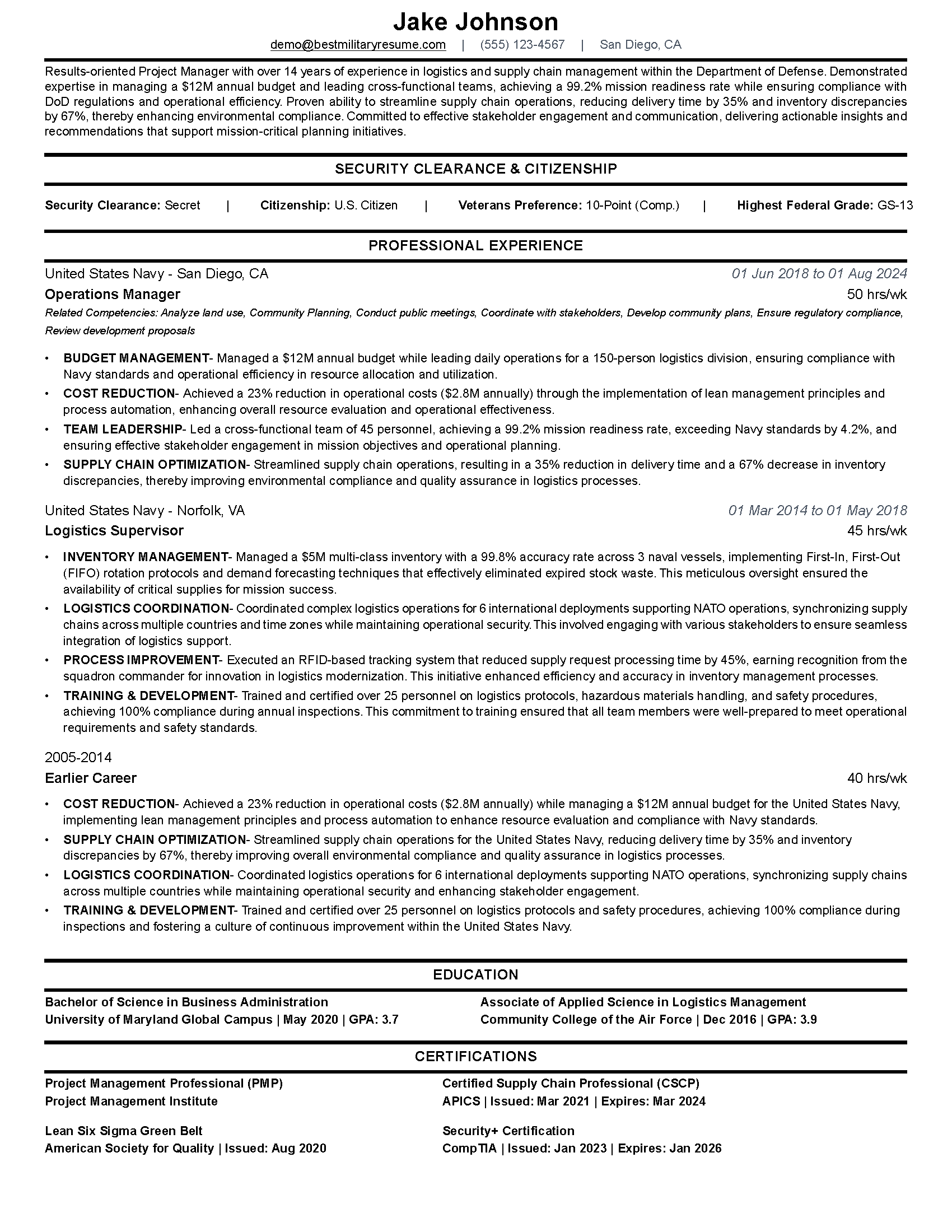
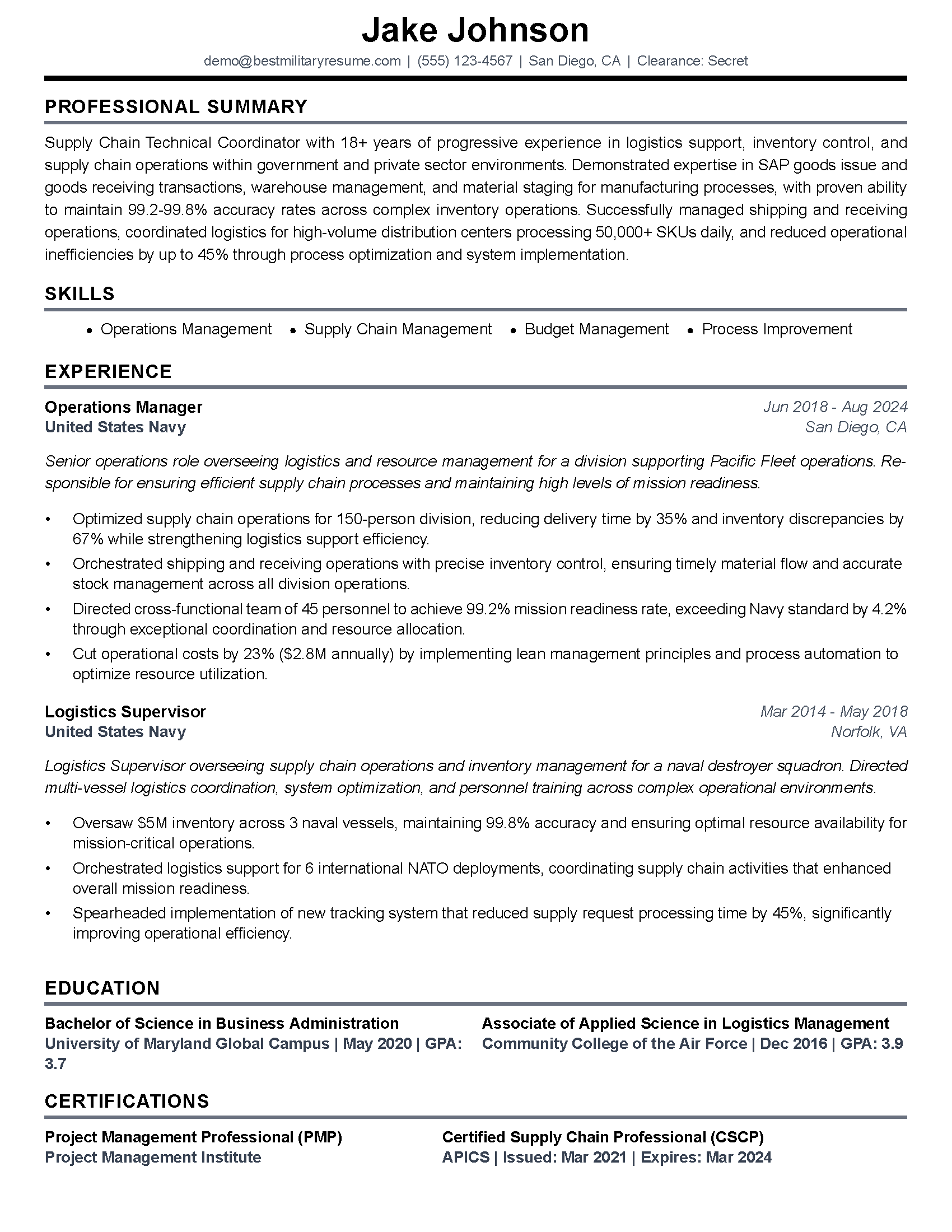
The memo also has an off switch. If no veteran applicant meets the minimums, "the requirement to interview a veteran does not apply." So the minimums carry the most weight. The memo credits related military work month for month. So put a start and end month on every military job and school.
The three-part posting check for the interview rule
Run every South Carolina posting through these three checks before you apply. If any answer is no, the memo's interview rule doesn't reach you on that job.
- Who posted it: Is it a state agency or a college or university? The memo covers "an agency or institution." The SC Department of Veterans' Affairs release of December 9, 2020 says "every state government agency and higher education institution."
- What kind of job: Is it a full-time equivalent (FTE) position? The memo names FTE posts. It says nothing about temporary or part-time jobs, so don't count on them.
- Your side: Do you meet the minimum training and experience in the posting? Did you self-identify as a veteran when you applied?
College posts count, and they cover many roles. For one path, see moving into college administration.
Three yeses, plus the conditions above, mean the agency must interview at least one qualified veteran. That may be you or another veteran. The memo says "at least one," so it doesn't promise every veteran a seat.
The DD214 step changed in February 2021
The 2020 memo said to send your DD214 "along with the State Application for Employment." It also said veterans without it "shall not receive preference." That memo is still online.
Then DSHR changed it. The memo of February 16, 2021 says:
"Effective immediately, qualifying veterans will be advised to not upload the DD214. Instead, any self-identified and qualified Veteran receiving preference will be required to submit their DD Form 214 to the human resources department upon request and before an interview."
The SCDVA release and a Clemson news story from December 2020 came out before that change. The SCDVA release still carries the old step. The Clemson story doesn't mention the DD214. SC ETV's page matches the new one: "Do not upload with application."
Just out and still waiting on your DD214? The 2021 memo covers that. For "newly transitioning veterans who have yet to receive their DD Form 214, a letter from their commanding office will suffice in the interim." It also says "The DD Form 214 will ultimately be required for verification." So ask for that letter early.
Federal jobs handle the DD214 their own way. See the DD214 for federal jobs.
For more on the DD214 itself, see what your discharge papers say.
Where the rule stops, and what is still unsettled
Some questions have no clear answer yet.
The law and the memo don't match
The law says "every public department." The memo covers state agencies and colleges. Neither one says whether counties, cities or school districts must follow the memo.
The law also says merit-system departments "shall give preferences similar to those given by the United States Government." DSHR gives an interview instead. The memo doesn't say whether that meets the law. The federal system works differently. See how federal veterans preference works.
One school's own steps
Colleges can add their own process. The University of South Carolina's manual (revised September 26, 2025) is one school's practice, not the state rule. HR asks for your DD214 by mail, in person or by fax. Once it's checked, you go on a "Special Handling List." The manual says "Additional documentation is not needed moving forward."
Other schools may set their own steps.
A bill that is not law
House Bill 4698 would add a tie-break. A state agency "must give preference to a veteran, if the applicants are equally qualified." That part leaves out "an institution of higher learning." It would define "veteran" through Section 25-11-40. That section counts only veterans released due to a service-connected disability.
The bill went to a House committee on January 13, 2026. The bill page shows no action since then. It isn't law, so don't plan around it.
North Carolina works very differently. See North Carolina's state preference.
Rules here come from S.C. Code 1-1-550 and two DSHR memos, all linked above. Both memos were checked in November 2026.
What to Do Next
Pick one South Carolina posting that passes the three-part check. Then build the job history that shows you meet its minimums, with every month on the page.
Eddie, a Marine E-8, used BMR in his search. He got government offers but took a different job. In his words: "I had two job offers for government employment out of the interviews, but I got a separate job offer that I decided to go with."
Sign in to the military resume builder and paste the South Carolina posting. It tailors a resume from your military record to that job.
Frequently Asked Questions
Does South Carolina's preference cover National Guard or Reserve service?
Will the hiring manager see my DD214?
Do private employers in South Carolina have to give this preference?
About the author
Brad Tachi is the CEO and founder of Best Military Resume and a 2025 Military Friendly Vetrepreneur of the Year award recipient for overseas excellence. A former U.S. Navy Diver with over 20 years of combined military, private sector, and federal government experience, Brad brings unparalleled expertise to help veterans and military service members successfully transition to rewarding civilian careers. Having personally navigated the military-to-civilian transition, Brad deeply understands the challenges veterans face and specializes in translating military experience into compelling resumes that capture the attention of civilian employers. Through Best Military Resume, Brad has helped thousands of service members land their dream jobs by providing expert resume writing, career coaching, and job search strategies tailored specifically for the veteran community.