New Mexico Veterans Preference: 5 Points, or 10 With a Disability
"Still getting interviews left and right. Now I have to say no."
Taranjeet, E-5, Army, optimized her LinkedIn and resume with BMR
New Mexico veterans preference adds 5 points to an honorably discharged veteran's final passing score on state jobs. With a service-connected disability, the total is 10 points, under 1.7.5.11 D NMAC, dated 1/14/2025.
The state's own pages word that 10 two ways. This page shows each rule in the state's own words, plus what to attach.
Two Wordings, Same 10 for a Disabled Veteran
The law and the rule say the 10 in one line. The State Personnel Office (SPO) says 5, then "an additional 5" on top. Read side by side, they land on the same number.
| Source | Exact words | Total for a disabled veteran |
|---|---|---|
| NMSA 10-9-13.2 | "ten points over and above their regular test scores" | 10 |
| 1.7.5.11 D NMAC | "shall have 10 points added to their final passing numerical scores on applications" | 10 |
| SPO Application Guide and FAQ | "you will be granted 5 points" and, if disabled, "an additional 5 points" | 5 plus 5, so 10 |
Either way, a disabled veteran's total is 10 points. A veteran without a service-connected disability gets the 5 alone. The statute calls it "five points over and above their regular test scores."
Guard Members Count While They Still Serve
You do not have to be out to earn the 5. NMSA 20-4-9 says it in one line:
"While serving in the national guard, applicants for state employment shall be awarded veterans' preference status and points to the same extent as discharged veterans of federal military service."
The NMAC rule puts it plainly. Applicants "currently serving in the national guard shall have five points added." The key word is currently. The rule ties the Guard points to service you are doing now. These texts do not say whether past Guard service alone counts once you leave.
The rule gives the 10 to "veterans honorably discharged" with a service-connected disability. It does not say a current Guard member with a disability gets 10. If that is you, ask SPO before you count on it.
These texts do not mention the Reserve outside the Guard. They also say nothing on spouses or widows. If one of those is your case, the state has not put the answer in these texts.
To show Guard time on a resume, see whether to include Guard service on a civilian resume.
Honorable or General: The SPO Page and the Law Disagree
The statute covers "veterans honorably discharged from the armed forces of the United States." The NMAC rule uses the same words. The SPO page reads wider. It lists "An honorable or general discharge from the United States Armed Forces" as one way to qualify.
Those two texts do not match. The law and the rule say honorable. Only the SPO pages add general. If your DD 214 says general, the SPO page says you qualify. The statute does not say so. Claim it, attach your papers, and ask SPO how they will rule.
The disabled tier has no conflict. Every state source here asks for an honorable discharge with a service-connected disability.
The Points Wait for a Pass and a Paper Check
Preference points do not rescue an application that fails. The rule adds them "to their final passing numerical scores on applications." The statute sets the rank "by adding the points to the veteran's final passing grade on the examination." Your name then sits on the list by that number.
The older 2021 SPO guide says the hiring manager gets "the top 15 ranked applications." The newer page does not show that line.
The points also wait on your papers. SPO says "Preference points are applied to the application after document verification is completed." SPO also asks for the DD 214 "at time of application." So attach it the day you apply. Do not plan to send it later.
What to attach for your points
SPO says to "respond to the statewide question" when you apply. Then attach these, as a PDF or JPG file:
- Veteran: "a copy of your DD 214 Form (Long Form)."
- Disabled veteran: the DD 214 plus "your Disability Determination letter."
- Current Guard member: "an official statement from applicable branch of the Armed Forces" or "a NGB 22 Form."
The statute words disability proof a little differently. It asks for "a certification by the federal veterans' administration." SPO names the Disability Determination letter.
The DD 214 proves your status. It does not tell your story to an employer. That job belongs to the resume, as this piece on discharge papers explains.
Residency Points Are a Separate Count
The same rule has a second part. It only covers applicants who meet minimum qualifications. Under 1.7.5.11 D(2), they get "two preference points added for each year of residency in New Mexico, not to exceed 10 points."
That count rewards where you live. Add it up apart from your veterans points.
Where the State Rule Reaches, and Where It Stops
The NMAC scope line, 1.7.5.2, reads in full: "All state agencies in the classified service." These texts do not apply it to cities or counties.
They also do not say whether the points apply to a promotion or only to a first hire. If you are going for a promotion, ask SPO before you count the points.
Local: UNM gives an interview, not points
The University of New Mexico runs its own Veteran Hiring Preference program. Qualified veterans get "a minimum of an initial interview for all regular staff positions, excluding contract staff classifications."
To use it, pick "yes" on the questionnaire. Attach your DD214. UNM says the Character of Service field "must list HONORABLE" for your most recent separation. You redo both steps for each job.
Local: the Public Defender rule
The Public Defender Department has its own rule, 10.12.5.11 D NMAC. It repeats five points and 10 points for that department only.
The July 2026 draft
SPO posted a proposed amendment with a July 13, 2026 file date. It renumbers the section to 1.7.5.12 D. The point values stay the same. It was not marked adopted when this page was checked. Until it is, 1.7.5.11 D is the rule to cite.
Federal jobs run on their own rules. See how federal veterans preference works and which DD-214 copy federal jobs ask for. Arizona has its own pass-first version, in the Arizona guide.
Rule text from 1.7.5 NMAC and the SPO Application Guide and FAQ page, checked November 2026. NMSA 10-9-13.2 and 20-4-9 come from an archived Justia copy, not the official code site. Section 10-9-13.2 also matches a 2009 SPO copy of the State Personnel Act.
The 5 or 10 Only Adds to a Passing Score
Your points sit on top of a score you still have to earn. So the rest of the application has to stand on its own.
Eric, an Air Force Master Sergeant (E-7), used BMR on his federal search. In his words: "Your product is the best and Absolutely I was hired 3 different times, but now I landed a GS11 job and this is where I'll stay."
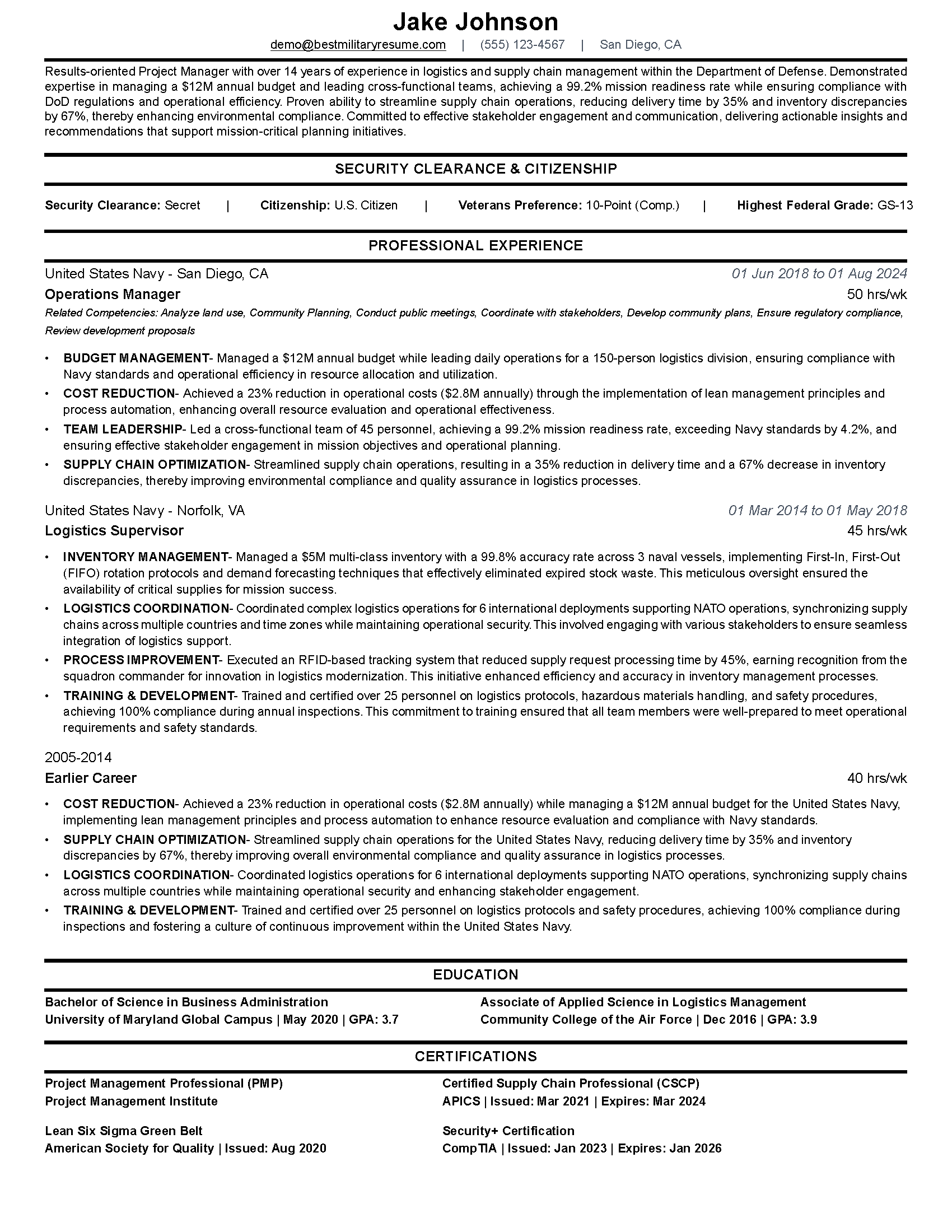
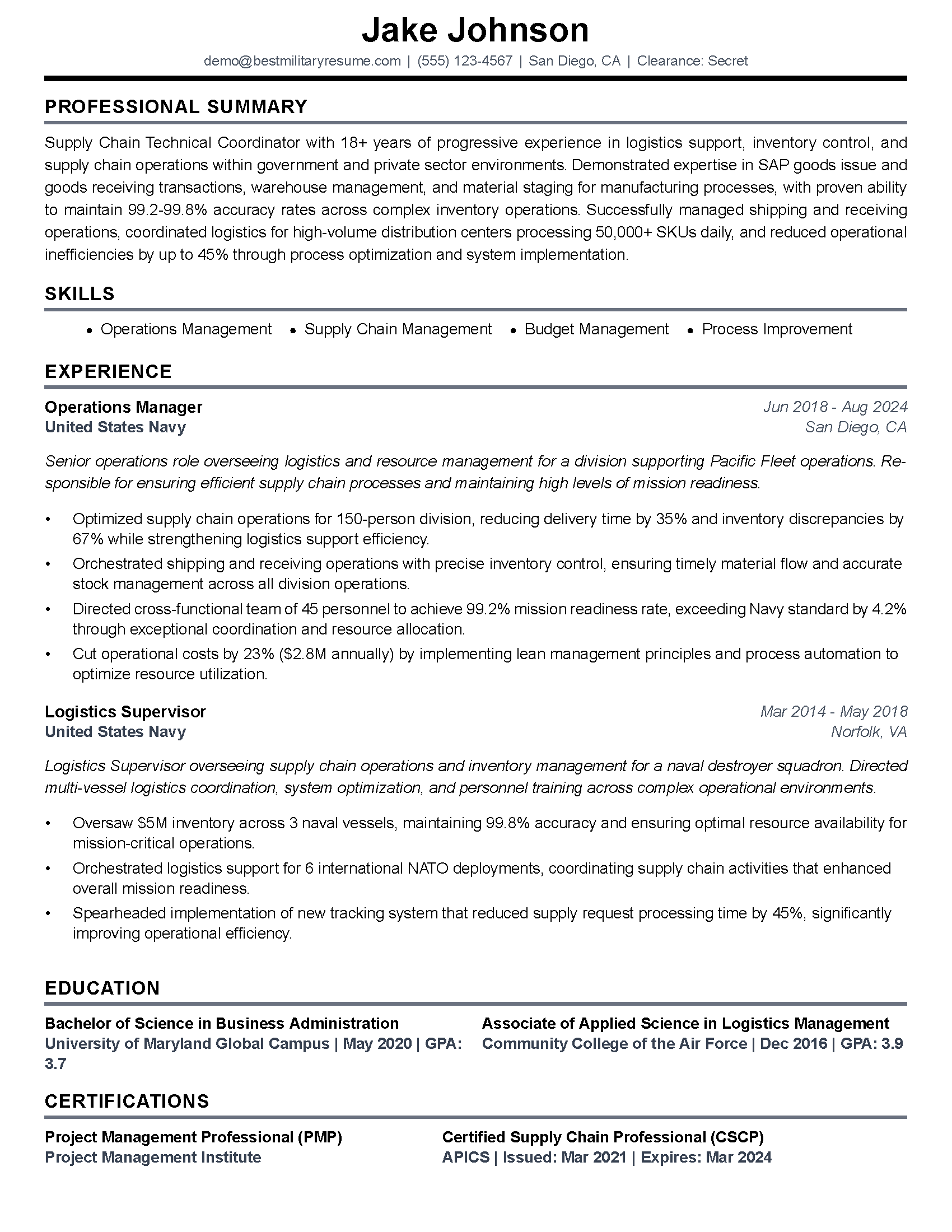
Open the military resume builder and sign in. Build your base resume, then tailor it to the New Mexico posting. The builder rewrites your summary, work bullets and skills in the posting's own words.
Frequently Asked Questions
Do I need a set VA rating percentage for the 10 points?
Does the UNM interview program cover term jobs?
What if I can't find my DD 214?
Who awards the points under the statute?
Is the Public Defender rule worded the same as the state rule?
About the author
Brad Tachi is the CEO and founder of Best Military Resume and a 2025 Military Friendly Vetrepreneur of the Year award recipient for overseas excellence. A former U.S. Navy Diver with over 20 years of combined military, private sector, and federal government experience, Brad brings unparalleled expertise to help veterans and military service members successfully transition to rewarding civilian careers. Having personally navigated the military-to-civilian transition, Brad deeply understands the challenges veterans face and specializes in translating military experience into compelling resumes that capture the attention of civilian employers. Through Best Military Resume, Brad has helped thousands of service members land their dream jobs by providing expert resume writing, career coaching, and job search strategies tailored specifically for the veteran community.
